


What Should You Know About Vaginal Rejuvenation Treatment?
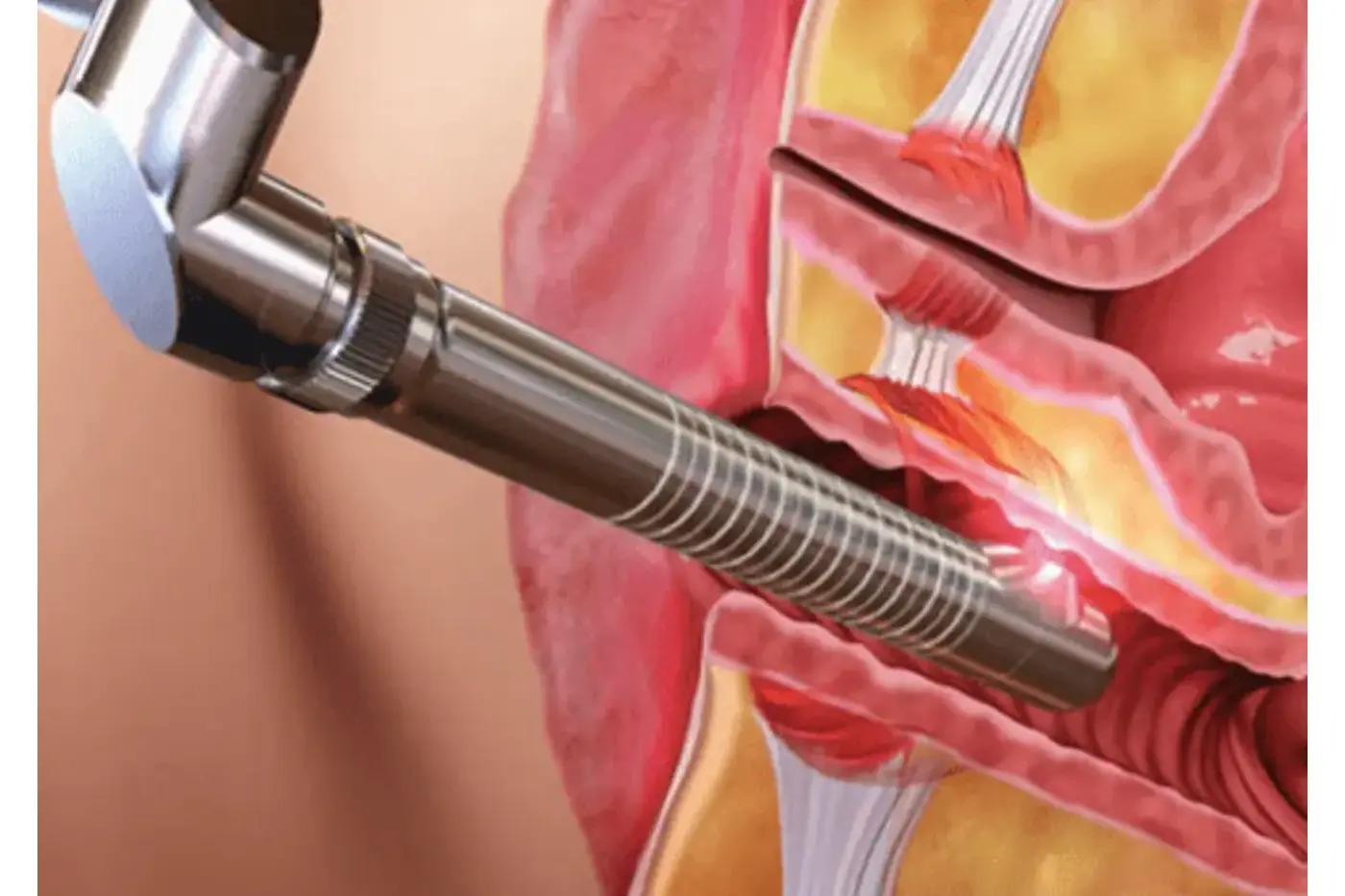
What Is Vaginal Rejuvenation Treatment?
Vaginal rejuvenation treatment is a broad term used for procedures or therapies intended to address changes in vaginal or vulvar comfort, tissue quality, function, or appearance. These changes can occur with aging, childbirth, hormonal changes, or menopause. The phrase itself is not a single medical procedure, and different providers may use it to describe very different approaches. Some treatments are surgical, while others are marketed as nonsurgical procedures using energy-based technologies or other techniques. Because the term can mean different things, women should understand exactly what a provider is recommending, what concern it is intended to address, what evidence supports the treatment, and what risks may exist. Align Health and Menopause focuses on women's health and recognizes that intimate symptoms deserve the same thoughtful evaluation as other menopause-related concerns. A personalized assessment can help distinguish normal age-related changes from symptoms that may need medical attention.
Why Can Menopause Affect Vaginal Health?
Menopause can bring significant changes to vaginal and urinary health because estrogen levels decline during the menopausal transition. Estrogen helps maintain vaginal lubrication, elasticity, and tissue thickness. When estrogen levels decrease, some women experience dryness, irritation, burning, discomfort during intercourse, urinary frequency, or recurring urinary tract infections. These symptoms can continue during Postmenopause and may affect physical comfort, intimacy, sleep, confidence, and quality of life. The condition commonly associated with these symptoms is called genitourinary syndrome of menopause. Not every woman experiences the same symptoms, and vaginal discomfort should not automatically be attributed to aging. A medical evaluation can help identify whether hormonal changes, infection, medications, dermatologic conditions, pelvic floor concerns, or another issue may be contributing to symptoms.
What Problems Can Vaginal Rejuvenation Address?
The concerns associated with vaginal health can vary considerably from one woman to another. Some may notice dryness or irritation, while others may report changes in tissue elasticity, discomfort during sexual activity, or a feeling of laxity following childbirth. Hormonal changes may also contribute to changes in lubrication and tissue quality. The important consideration is that treatment should be based on an individual's symptoms and health history rather than on the assumption that every woman needs to restore or tighten vaginal tissue. ACOG notes that the term “vaginal rejuvenation” is commonly used as a marketing term rather than a specific medical diagnosis or procedure. This distinction matters because women deserve clear information about what a treatment is designed to accomplish and whether there is reliable evidence supporting those outcomes.
How Does Hormonal Testing Relate to Vaginal Symptoms?
Hormonal Testing For Women may be considered when symptoms suggest that hormonal changes could be contributing to a broader pattern of menopause-related concerns. However, vaginal symptoms should not automatically be interpreted as proof of a hormone imbalance. A clinician may consider the individual's age, menstrual history, menopause status, symptoms, medications, medical history, and physical findings when determining whether testing could provide useful information. For women experiencing multiple symptoms, such as hot flashes, sleep changes, vaginal dryness, mood changes, or changes in sexual comfort, a broader menopause assessment may provide more context than focusing on a single symptom. At Align Health and Menopause, understanding the overall health picture is important when discussing options related to menopause and intimate wellness.
What Are the Common Approaches to Vaginal Health?
Management depends on the cause and severity of symptoms. For vaginal dryness, vaginal moisturizers may provide ongoing moisture, while lubricants can reduce friction and discomfort during sexual activity. Some women may also be candidates for hormonal therapies prescribed specifically for genitourinary symptoms, depending on their medical history and individual circumstances. Pelvic floor evaluation may be appropriate when muscle dysfunction contributes to discomfort or other symptoms. Surgical procedures are another category, but they involve different considerations and risks than nonsurgical approaches. ACOG emphasizes that female genital cosmetic procedures have not been proven to be safe or effective for all the outcomes sometimes promoted in advertising. Therefore, treatment decisions should focus on a clearly identified health concern rather than unrealistic promises about appearance, sexual performance, or aging.
Are Laser and Energy-Based Treatments Safe?
Laser and other energy-based procedures are frequently marketed under the term vaginal rejuvenation, but patients should be especially careful when evaluating claims about these technologies. The American College of Obstetricians and Gynecologists states that the FDA has not approved laser or other energy-based treatments for vaginal cosmetic surgery or for treating menopause symptoms, urinary incontinence, or sexual problems. ACOG also reports that the FDA has warned about potential complications including burns, scarring, painful intercourse, and persistent pain. This does not mean that every technology or clinical situation is identical, but it does mean that patients should receive transparent information about regulatory status, available evidence, possible complications, and alternatives before proceeding. Women considering an energy-based procedure should discuss these issues with a qualified healthcare professional rather than relying solely on advertising claims.
Can Hormone Therapy Help With Menopause-Related Vaginal Changes?
Hormone Therapy For Menopause can be an option for some women experiencing menopause symptoms, but it is not appropriate for everyone and should be individualized. Hormonal treatment may be discussed when vaginal symptoms occur alongside other menopausal concerns, particularly when reduced estrogen is contributing to dryness or tissue changes. Depending on the situation, clinicians may discuss local vaginal therapies or systemic hormone therapy. The choice depends on symptoms, health history, personal risk factors, treatment goals, and whether symptoms are localized or part of a wider menopause pattern. Hormone therapy should never be started simply because a procedure is being considered. A careful evaluation can help determine whether hormonal treatment, nonhormonal care, pelvic health support, or another approach is more appropriate.
Is Vaginal Rejuvenation the Same as Vaginal Surgery?
No. Vaginal rejuvenation is sometimes used to describe surgical procedures such as vaginoplasty or perineoplasty, while it can also refer to nonsurgical treatments promoted for vaginal tightening or tissue changes. Surgical procedures involve incisions and carry risks such as pain, bleeding, infection, scarring, changes in sensation, painful intercourse, and the possibility of additional surgery. Nonsurgical treatments may have different risks, but “nonsurgical” does not automatically mean risk-free. This is particularly important when energy-based devices are involved because regulatory approval and clinical evidence vary by device and intended use. Women should ask exactly what procedure is being offered, whether it is medically indicated, who performs it, what evidence supports it, and what complications have been reported.
Does Weight Management Affect Menopause Wellness?
Weight changes can become an important part of menopause care, although weight management should not be presented as a substitute for evaluation of vaginal symptoms. Some women explore Hormone Replacement Therapy Weight Loss because they have heard that hormone therapy can directly cause substantial weight loss. In reality, hormone therapy is primarily considered for appropriate menopause-related symptoms and should not be prescribed solely as a weight-loss treatment. A Medical Weight Management Program may instead address nutrition, physical activity, behavior, sleep, metabolic health, medications when appropriate, and other factors that influence body weight. Women searching for a Weight Loss Clinic Chesterfield MO should look for a program that evaluates individual health factors rather than relying on one trend or a single intervention.
Do Popular Weight Loss Trends Affect Vaginal Health?
Online trends such as the Pink Salt Recipe For Weight Loss or Rice Hack For Weight Loss can attract attention because they appear simple and inexpensive, but no single food or recipe can reliably address the complex factors involved in menopause, body weight, or vaginal health. Nutrition can support overall wellness, but sustainable weight management generally involves an individual's overall eating pattern, physical activity, sleep, stress, medical conditions, and other lifestyle factors. Women should also be cautious about online claims that connect a specific food trend with hormone balancing or rapid weight reduction. A balanced approach is more useful than treating viral recipes as medical therapies. When weight concerns coexist with menopause symptoms, a healthcare professional can help determine whether additional evaluation or structured support is appropriate.
What Role Does Hormone Therapy for Men Play in Health Care?
Hormonal health is not limited to women. Hormone Therapy For Men may be considered for appropriately evaluated men with confirmed hormone-related concerns, but treatment should follow a medical assessment rather than general wellness claims. This is separate from women's vaginal health and should not be presented as a treatment for vaginal symptoms. At a clinic providing hormone-focused care, men and women may have different symptoms, testing considerations, treatment goals, and safety factors. Understanding this distinction helps prevent confusion when researching hormone therapy online and reinforces the importance of individualized medical guidance.
When Should a Woman Seek Medical Evaluation?
Persistent vaginal dryness, burning, unusual discharge, bleeding, recurrent urinary symptoms, new pain, or pain during intercourse deserves medical attention, particularly when symptoms interfere with daily life or intimacy. Bleeding after menopause should not be dismissed as a normal part of aging and requires appropriate medical evaluation. A clinician can determine whether symptoms are related to menopause, infection, medications, pelvic floor concerns, dermatologic conditions, or another health issue. Women should also seek professional guidance before undergoing cosmetic or energy-based procedures marketed as rejuvenation. A proper evaluation can help identify evidence-based options and prevent a potentially treatable medical problem from being overlooked.
What Should Women Ask Before Choosing a Treatment?
Before choosing a vaginal procedure, women should understand the specific problem being treated and whether the proposed treatment has reliable evidence for that purpose. It is reasonable to ask whether the treatment is FDA approved or cleared for the intended use, what clinical studies support it, how many treatments may be required, what short-term and long-term side effects are possible, and what alternatives are available. Women should also ask whether the treatment is cosmetic, symptom-focused, or intended to address a diagnosed medical condition. These questions are particularly important for laser and energy-based procedures because professional organizations have raised concerns about evidence, safety, and regulatory status for certain uses. Clear communication allows patients to make decisions based on realistic expectations rather than marketing language.
How Can Align Health and Menopause Support Women?
Align Health and Menopause provides care centered on hormone health, menopause management, and individualized wellness. Its services include hormone-focused care and weight management support, while its website also describes vaginal health and rejuvenation services for women experiencing concerns associated with aging, childbirth, and hormonal changes. Because vaginal symptoms can have multiple causes, a personalized discussion is important before deciding whether any particular treatment is suitable. The clinic's approach emphasizes understanding the individual's concerns and developing care around her health needs rather than assuming that one treatment works for everyone. Women considering vaginal care can use a consultation to discuss symptoms, medical history, treatment expectations, and appropriate alternatives.
Is Vaginal Rejuvenation Right for Every Woman?
Vaginal rejuvenation is not automatically necessary simply because a woman has reached menopause, had children, or noticed normal changes in her body. Vaginal appearance and function naturally vary between individuals and can change throughout life. The right approach depends on whether a woman has a specific symptom, how much that symptom affects her quality of life, its underlying cause, and the available evidence for the proposed treatment. Some women may benefit from simple nonhormonal measures, while others may need menopause-focused treatment or evaluation for another medical condition. Surgical or energy-based procedures require additional consideration because their risks and evidence differ. The goal should be informed, individualized care that prioritizes comfort, safety, health, and realistic expectations rather than pressure to achieve a particular appearance.
What Is the Key Takeaway About Vaginal Health?
Vaginal health can change during perimenopause, menopause, and Postmenopause, but discomfort does not have to be accepted without evaluation. Vaginal dryness, irritation, painful intercourse, urinary symptoms, and changes in tissue quality can have different causes and may have different treatment options. The term vaginal rejuvenation covers a wide range of procedures, making it essential to understand exactly what is being offered and what evidence supports it. Women should be particularly cautious about claims involving energy-based laser or radiofrequency procedures and discuss benefits, limitations, regulatory status, risks, and alternatives with a qualified healthcare professional. Align Health and Menopause encourages an individualized approach to women's health, where menopause care, hormone evaluation, lifestyle support, and intimate health concerns can be considered as parts of the broader picture rather than treated as isolated problems.
Категории
Больше
The technical evolution of self-guided material handling machinery is accelerating rapidly, driven by the convergence of artificial intelligence at the edge, advanced computer vision, high-density energy systems, and high-speed communications. Historically reliant on basic 2D mapping and simple proximity sensors, modern autonomous units now utilize sophisticated 3D spatial perception, deep...

Navigation Switch Market Executive Overview & Industry Scope The Navigation Switch Market covers multi-directional human-machine interface (HMI) electromechanical switches—including 4-way, 5-way, and 8-way directional switches with integrated center-push select buttons. These tactile components enable intuitive menu browsing and directional input in space-constrained electronic...

What Makes Randolph Flea Market Chicago Special? Randolph Flea Market Chicago offers a distinctive shopping experience where vintage treasures, antiques, art, fashion, furnishings, collectibles, and handcrafted goods come together in one lively Chicago destination. Unlike conventional retail shopping, a flea market encourages visitors to explore, discover, compare, and uncover pieces with...

Maintaining a clean and organized home requires time, consistency, and attention to detail, which can be difficult to manage with a busy schedule. Choosing Maid Cleaning Spring, TX, is an excellent way to keep your home looking fresh while reducing the stress of daily household chores. Professional maid services help homeowners maintain healthier living spaces by cleaning areas that are...

Choosing the right PC components can be challenging, especially when you want your processor, graphics card, memory, and other hardware to work together efficiently. A reliable PC performance calculator can make this process easier by helping users evaluate their system configuration and understand potential performance limitations. Bottleneck Calculator provides a convenient online solution...