

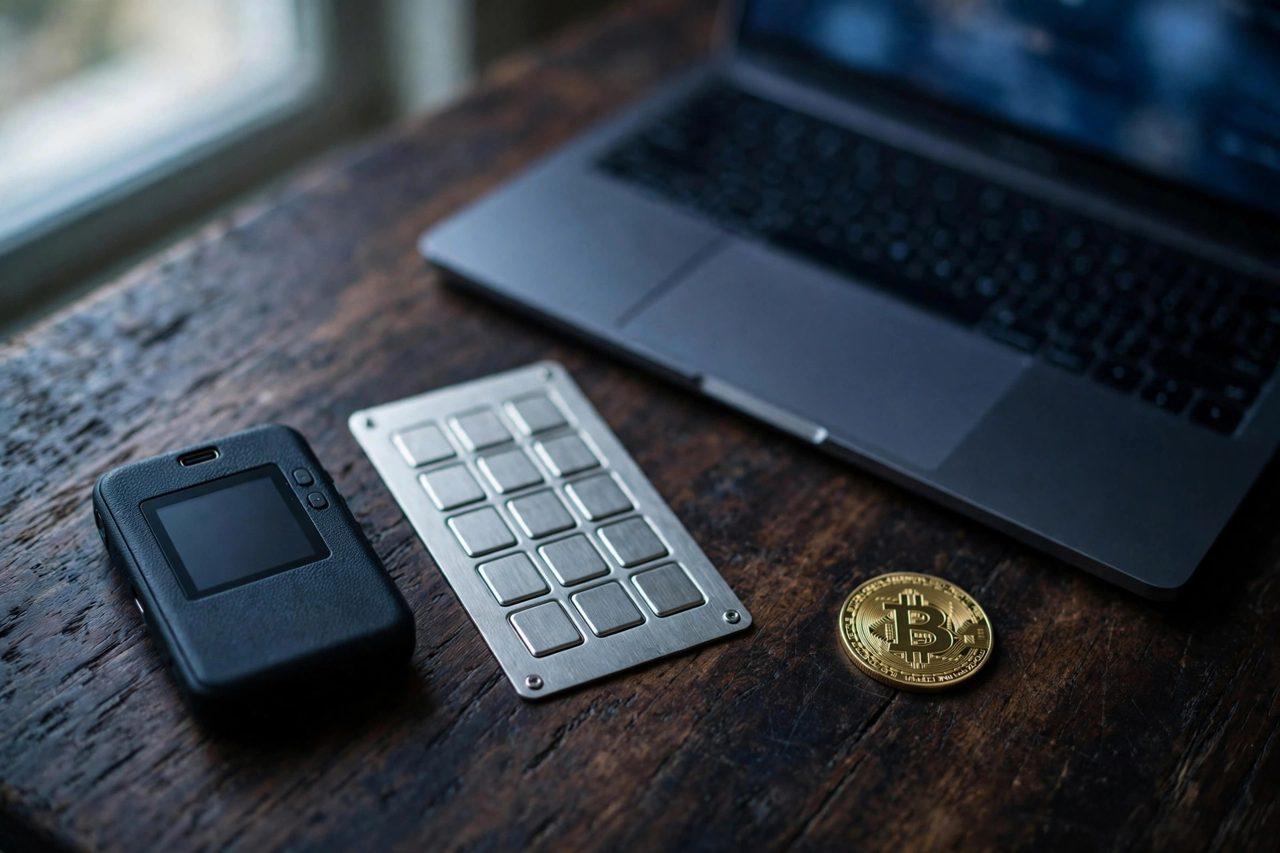

What Is a Multisig Wallet?
A multisig wallet is a crypto wallet controlled by several private keys, where a fixed number of those keys must sign before any funds can move. The rule is written as M-of-N: a 2-of-3 wallet has three keys, and any two of them can approve a payment — one key alone can do nothing.
A standard wallet has a single point of failure: lose or leak its one recovery phrase and everything in it is gone or stolen. Multisig spreads that decision across people, devices or locations. As the shared-wallet explainer at Bitcoin.com puts it, a 2-of-3 wallet keeps working if one key is lost and stays safe if one key is stolen. It is a natural next step after the basics covered on the Zimbuck News page and discussed daily in the Zimbuck Market News group.
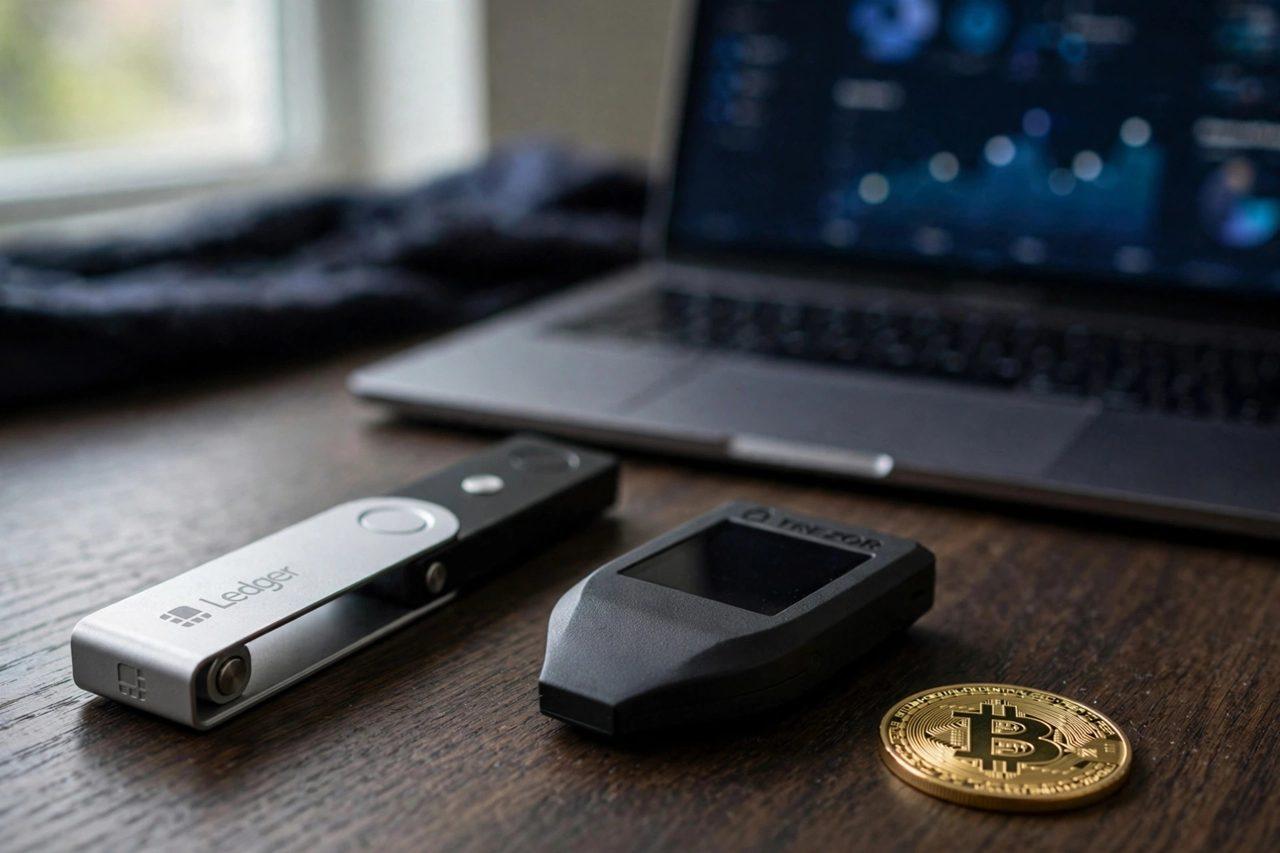
How a Multisig Transaction Works
- Setup: each signer creates their own key pair; the wallet address is derived from all the signers' public keys plus the threshold rule
- Proposal: any one signer can create a transaction, but it sits pending and nothing reaches the blockchain
- Signing: other signers review and sign independently, each on their own device
- Execution: once the threshold is met — two signatures in a 2-of-3 — the transaction broadcasts and the funds move
- Below threshold, funds stay put: you can lose up to N minus M keys and still spend; an attacker needs M keys to steal
On Bitcoin, multisig is built into the protocol's scripting language. On Ethereum and other EVM chains, it usually runs as a smart contract — the contract holds the funds and executes only when enough owners have signed, which is how most DAO and company treasuries are managed today.
Choosing a Threshold
- 1-of-2: redundancy, but no theft protection — either key alone can spend
- 2-of-2: both keys required; losing either one locks the funds permanently — rarely wise
- 2-of-3: the common sweet spot for personal savings and small teams — protected against one theft and one loss at the same time
- 3-of-5: typical for treasuries, DAOs and companies, where several people must agree before money moves
Multisig pairs naturally with the other habits in our security library: it assumes each signer verifies what they are signing, which is exactly the defence that defeats the tricks in our guide to spotting crypto phishing scams and our explainer on address poisoning.

What Multisig Does Not Protect Against
Multisig removes a single point of failure only if signers check transactions independently. The February 2025 Bybit theft — about $1.5 billion, the largest in crypto history — happened because every signer approved a falsified transaction displayed through the same compromised interface. The threshold was met honestly by people who were shown a lie. The lessons: verify the destination and amount on the hardware device's own screen, keep signers and devices genuinely independent, store the wallet's full setup information (all public keys and the threshold) safely, because rebuilding the wallet needs it, and never treat multisig as a substitute for the recovery-phrase discipline of a normal wallet.
Frequently Asked Questions
Is multisig the same as splitting a seed phrase? No. With multisig, keys never come together in one place; each signer signs separately. Splitting a seed phrase (such as Shamir's Secret Sharing) divides one secret instead.
What happens if I lose a key in a 2-of-3 wallet? You can still spend with the remaining two keys, and you should replace the lost signer promptly.
Who uses multisig? Individuals protecting meaningful savings, companies and DAOs holding shared treasuries, and exchanges securing cold wallets.
Does multisig cost more? Multisig transactions are larger and can cost somewhat higher network fees, and setup takes more care — the trade-off for removing the single point of failure.
This article is general information only, not financial advice. Join the conversation at zimbuck.com.






