English
 Arabic
 French
 Spanish
 Portuguese
 Deutsch
 Turkish
 Dutch
Dutch
 Italiano
 Russian
 Romaian
 Portuguese (Brazil)
 Greek
Greek

Saldatrici Laser per la Produzione Moderna: Precisione e Innovazione nei Processi Industriali
Other |
2026-06-23 06:17:57
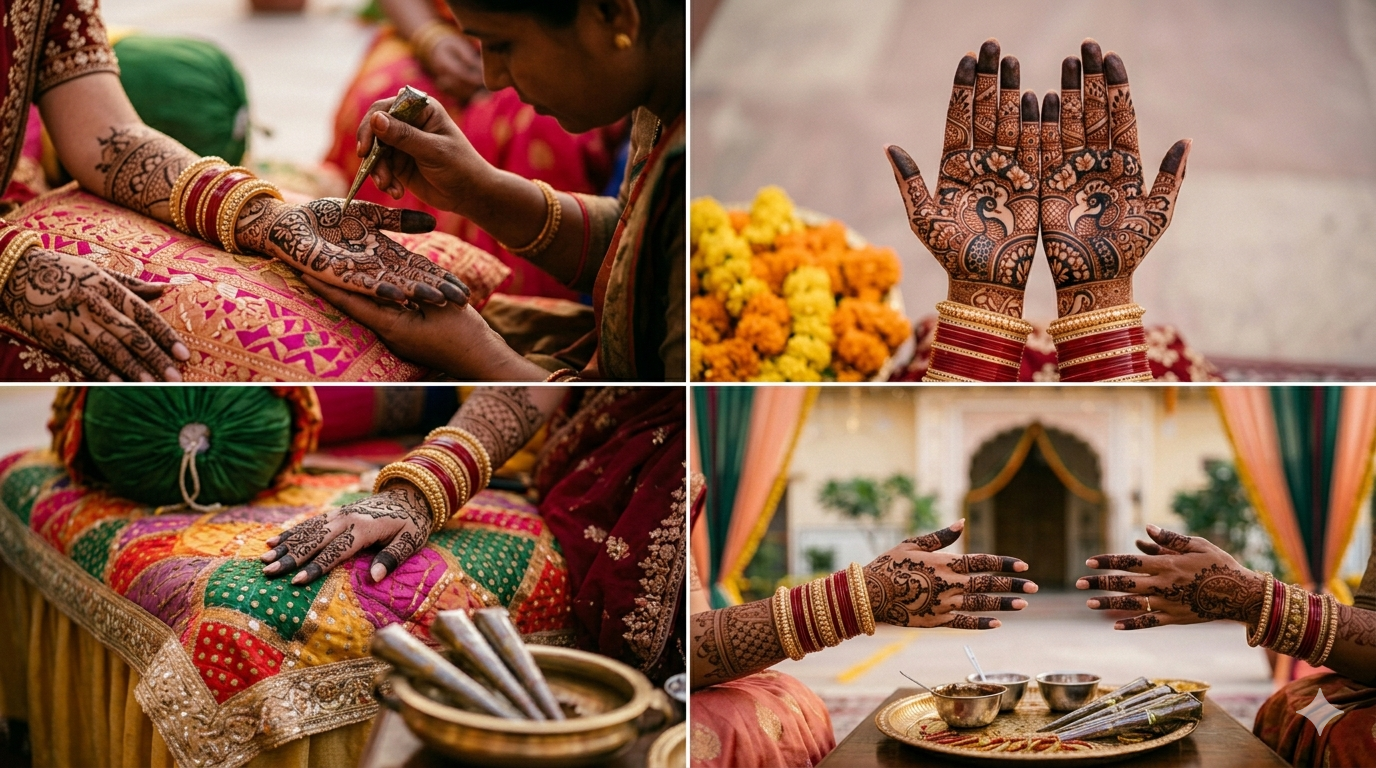
Henna application is an ancient and deeply cherished tradition that sits at the heart of many celebrations, from weddings to religious festivals. For the henna artist, the goal is always to provide a dark, rich stain that delights the client. However, a problematic trend has emerged where artists attempt to "warm" their henna paste using open-flame heating devices—such as tea light candles, portable gas burners, or incense sticks—to improve the release of essential oils or accelerate the staining process. While this might seem like a simple trick to ensure a better result, it poses severe fire safety risks, especially within the context of event venues, banquet halls, and hotels. Event spaces are governed by strict fire safety legislation, and the introduction of an open flame in a crowded, fabric-heavy environment is a disaster waiting to happen. As professionals, we must prioritize the safety of our clients and the integrity of the venue over questionable methods that rely on fire.
The desire to provide the best possible stain intensity is understandable, but we must interrogate why we believe open flames are necessary. Often, the practice of heating henna paste is rooted in outdated myths or a misunderstanding of how the dye release process actually functions. Modern henna theory tells us that a high-quality stain is achieved through the selection of premium-grade henna powder, the proper balance of lemon juice or water, and the inclusion of high-quality essential oils like lavender, cajeput, or tea tree. Relying on an external heat source to "force" the dye release is not only an admission of poor product preparation but an unnecessary gamble. When you set up a station in a hotel suite or a community center, you are bringing high-risk behaviors into a space that is likely already tightly regulated by local fire authorities. Every venue is legally responsible for the fire safety of their guests, and an artist using open flames creates an immediate liability that venue managers are right to shut down.
In the United Kingdom, event venues operate under the Regulatory Reform (Fire Safety) Order 2005 (or equivalent regional legislation), which places the onus on the "responsible person" of the venue to identify and mitigate fire risks. When a henna artist introduces a portable burner or candles, they are potentially breaching the venue's fire risk assessment. Most commercial spaces strictly prohibit open flames unless they are part of a sanctioned catering operation that has undergone specific risk assessments. If a fire were to start, even accidentally, the artist would be held liable, and the legal repercussions could be catastrophic for their career and reputation. Beyond the legalities, there is the simple human factor: venues are often filled with flammable materials such as heavy drapes, carpeted flooring, and guest clothing. One moment of distraction, or a bump from a bustling event crowd, can turn a simple application session into a fire emergency.
True expertise in henna art is not found in the tools you use to heat your paste, but in the scientific understanding of your medium. If you find that your henna paste requires external heat to achieve a deep color, it is time to revisit your formulation and your mixing process. Professional artistry is defined by consistency, safety, and the ability to work in any environment without needing to alter the venue’s safety protocols. For those seeking to elevate their craft, enrolling in a comprehensive henna course is the most effective way to gain the essential knowledge regarding botanical selection, mixing ratios, and professional application techniques. By mastering the fundamental science of henna, you eliminate the need for dangerous "hacks" and instead provide a service that is grounded in best practice. Investing in your education ensures that you can guarantee high-quality results consistently, allowing you to walk into any venue with total confidence, knowing that your methods are safe, professional, and compliant with all industry standards.
Before you accept a booking at a new location, your process should include a proactive risk assessment. This involves communicating with the venue manager about your setup requirements well in advance. If you know that your method requires any form of heat or electricity, you must clear it with the site manager beforehand. In most cases, they will advise against anything that resembles an open flame. If you are asked by a client to provide specific effects or a certain level of stain, explain to them that your commitment to safety prevents you from using open flames in indoor venues. Clients appreciate artists who prioritize their safety, and this transparency positions you as a high-end professional who manages their events with care. If a client insists on traditional heating methods, use it as an opportunity to educate them about the superior results achieved through professional mixing and wrapping techniques, which keep the skin warm naturally using the body's own heat.
The goal of every professional artist should be to enhance the event experience, not to introduce hazards into it. By adopting safe, heat-free application methods, you actually improve the client experience. You allow the client to relax during their appointment without the anxiety of a burner nearby or the smell of burning candles competing with the natural scent of the henna oils. Furthermore, professional artists who do not rely on gimmicks are much more likely to be welcomed back to venues and recommended by event coordinators. The hallmark of a successful career is not just the beauty of the designs you create, but the reliability and professionalism you bring to the table. When you leave a venue exactly as you found it, with no risk and no damage, you build a reputation that sustains your business for years. Safety and artistry are not mutually exclusive; they are the dual pillars upon which a long-lasting, respected career in the beauty industry is built.
Ultimately, the longevity of your business depends on your ability to adapt to modern standards of safety and professionalism. As the industry evolves, the demand for artists who are not only talented but also strictly compliant with health and safety regulations will continue to rise. By moving away from the use of open-flame heating devices, you are aligning yourself with these growing standards and protecting yourself from the inherent risks of working in public venues. Continue to learn, continue to refine your henna recipes, and always put the safety of your clients and the premises at the forefront of your operations. When you commit to these principles, you become a standard-bearer for the craft, proving that beautiful, traditional art can thrive in modern spaces when approached with a commitment to professional excellence and a dedication to the highest standards of safety.