

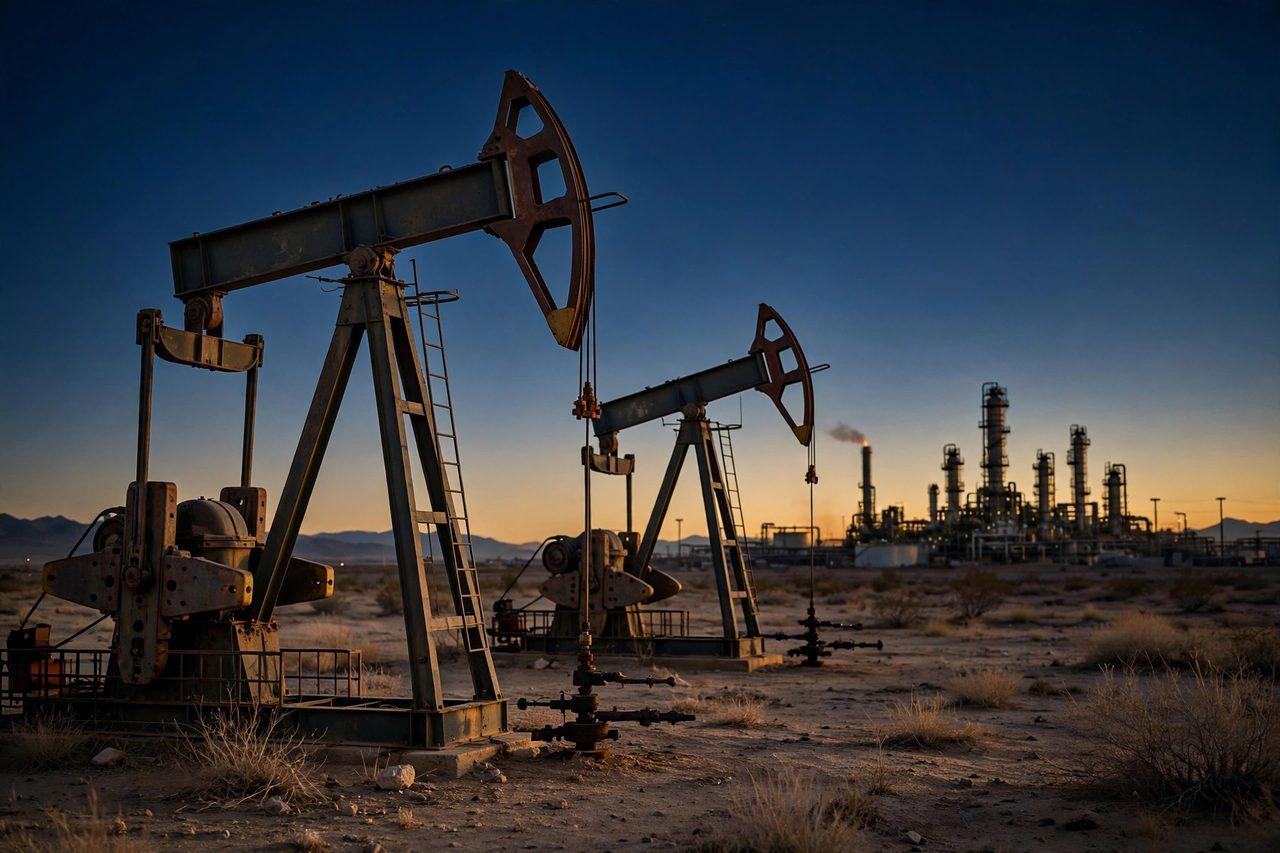
What Is OPEC+? How Production Cuts, Quotas and Spare Capacity Move Oil Prices — Explained

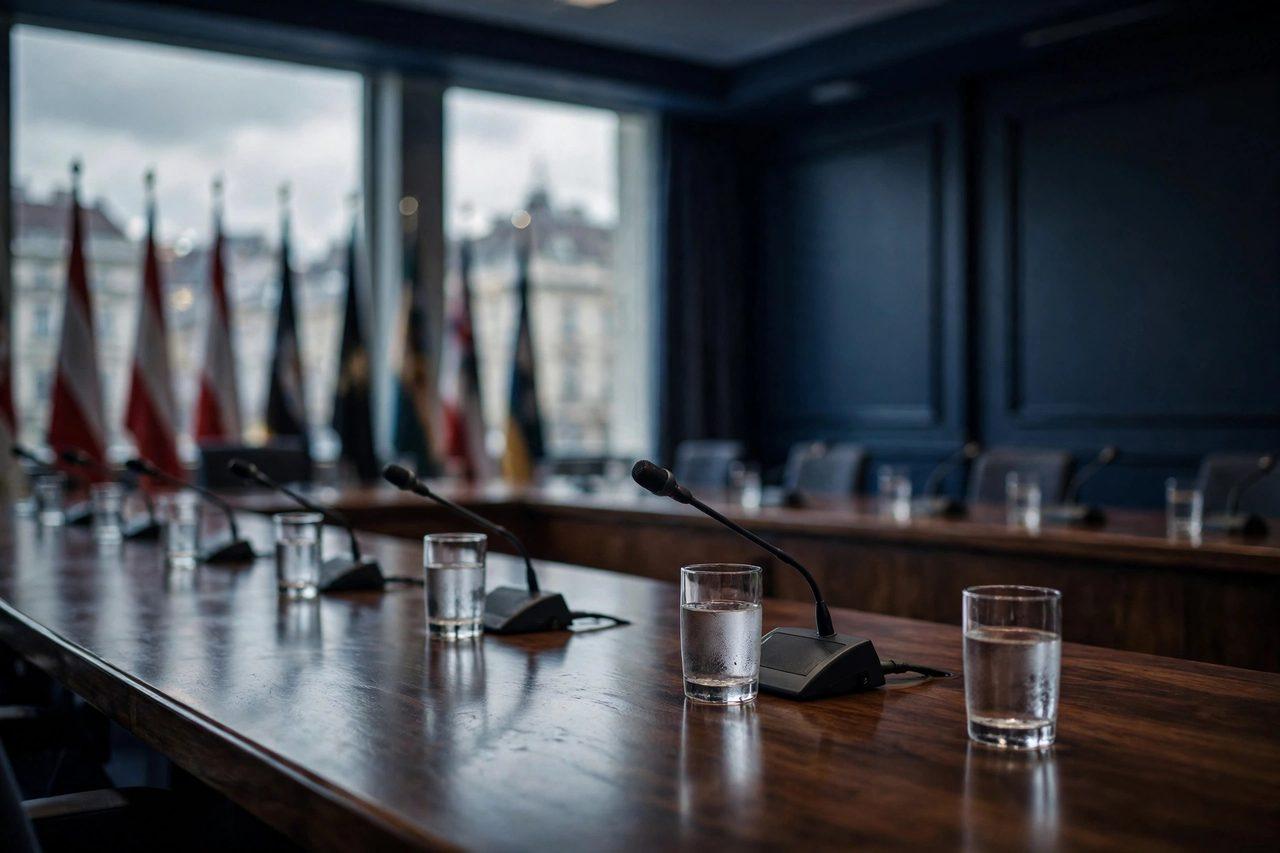
Every few weeks a headline says OPEC+ has "cut production" or "raised output," and oil prices jump or slide within minutes. But OPEC+ never sets the oil price — it sets production targets, and the market does the rest. This guide explains what the group actually is in 2026, the three levers it pulls — quotas, compliance and spare capacity — and how a decision taken in a Vienna meeting room becomes a different price for Brent and WTI. If you follow energy markets on Zimbuck News, this is the mechanics behind the headlines.
OPEC and OPEC+ are not the same thing
OPEC — the Organization of the Petroleum Exporting Countries — was founded in 1960 in Baghdad to coordinate petroleum policy among oil-exporting governments, and it is headquartered in Vienna. OPEC+ is the wider alliance built on top of it: on 10 December 2016, OPEC members signed a Declaration of Cooperation with a group of non-OPEC producers, most importantly Russia, plus partners such as Kazakhstan, Azerbaijan, Oman and Mexico, to set joint crude output targets.
Membership moves. The United Arab Emirates departed OPEC from 1 May 2026, and the US Energy Information Administration (EIA) now counts OPEC at 11 members, with ten non-OPEC partners in the Declaration of Cooperation. The group's weight is still enormous: in 2025 the current OPEC members produced about 31% of world crude oil, and the countries actually bound by OPEC+ targets about 42%, according to the EIA — against roughly 17% for the United States alone.
 Lever one: quotas, baselines and voluntary cuts
The group's formal policy is a set of country-level production targets — quotas — that add up to a collective ceiling. Three details decide what a headline number really means:
- The baseline. Each country's target is calculated from a reference production level. Because everything is derived from the baseline, the fiercest arguments inside OPEC+ are about baselines, not prices.
- Voluntary versus required cuts. On top of the formal quotas, a subgroup of members has layered extra voluntary reductions that can be extended, deepened or unwound on a different schedule — which is why careful coverage separates the two layers.
- The phase-back path. Decisions increasingly come with a pre-announced path for restoring barrels gradually, so one meeting can move prices twice: once for the decision, once for the timetable.
The scale these levers can reach is historic: in April 2020, as the pandemic crushed demand, OPEC+ agreed to cut 9.7 million barrels a day — roughly a tenth of global supply at the time, and more than five times the combined cut of the original 2016 deal. Discussions about exactly these mechanics run regularly in the Zimbuck Market News group whenever a meeting approaches.
Lever two: compliance — the gap between the promise and the wellhead
OPEC+ is a voluntary alliance. There is no enforcement arm, no fines, and no police — compliance is self-reported and self-policed, and in practice it is never 100%. The group does not even take members' word for their own output: production is judged against secondary sources, a panel of independent data firms whose estimates are averaged into the official conformity figures.
Oversight sits with the Joint Ministerial Monitoring Committee (JMMC), which meets roughly every two months, reviews the secondary-source data and names the members pumping above quota. It cannot punish anyone; its tools are peer pressure and compensation schedules — promises by over-producers to cut extra barrels later to make up the excess. This is why experienced oil watchers discount every announced cut: the barrels that matter are the ones the secondary sources actually count. Our commodities coverage, including this week's look at gold falling below $4,000, applies the same rule across metals and energy — verified flows over announced intentions.
 Lever three: spare capacity — and why prices react before barrels move
Spare capacity is the oil a member could bring online quickly but chooses not to — held mainly by Saudi Arabia, historically around 2–3 million barrels a day. It is the number that decides how much the group matters in a crisis: a market that believes spare capacity is thin will pay a fear premium for every headline, while comfortable spare capacity caps rallies.
Finally, remember the chain of causation. An OPEC+ decision changes expected future supply; traders reprice Brent and WTI futures immediately, long before a single physical barrel is added or withheld. That is also why announced cuts often move prices on the day but fade within weeks — after the surprise April 2023 cut, Brent rose about 8.4% on the announcement and was back below its starting level by the end of May. Inventories, shale output, refinery demand, shipping and geopolitics all push on the same price at the same time. For a deeper mechanics walk-through, the PetroEyes OPEC+ explainer is a solid companion read.
FAQ
What is OPEC+ in one sentence? An alliance, formed in December 2016, of OPEC's member countries and ten non-OPEC producers led by Russia that jointly set crude oil production targets.
Does OPEC+ set the oil price? No. It sets how much its members produce; the market sets the price in response to those barrels plus demand, inventories, shale supply and geopolitics.
Why do announced cuts not always raise prices for long? Because compliance is voluntary and incomplete, and because traders price the expectation instantly — if actual barrels do not tighten, the move fades.
What is spare capacity? Production a member could restart quickly but holds back, mainly in Saudi Arabia. Thin spare capacity makes prices jumpier; comfortable spare capacity calms them.
How many countries are in OPEC now? Eleven, after the UAE's departure on 1 May 2026, per the EIA — plus ten non-OPEC partners in OPEC+.
This article is general educational information only, not financial advice. Join the conversation on Zimbuck, the finance social platform for traders and investors.






