English
 Arabic
 French
 Spanish
 Portuguese
 Deutsch
 Turkish
 Dutch
Dutch
 Italiano
 Russian
 Romaian
 Portuguese (Brazil)
 Greek
Greek

Workplace Burnout in India: Causes, Statistics, and Prevention Strategies
Wellness |
2026-07-15 04:38:30
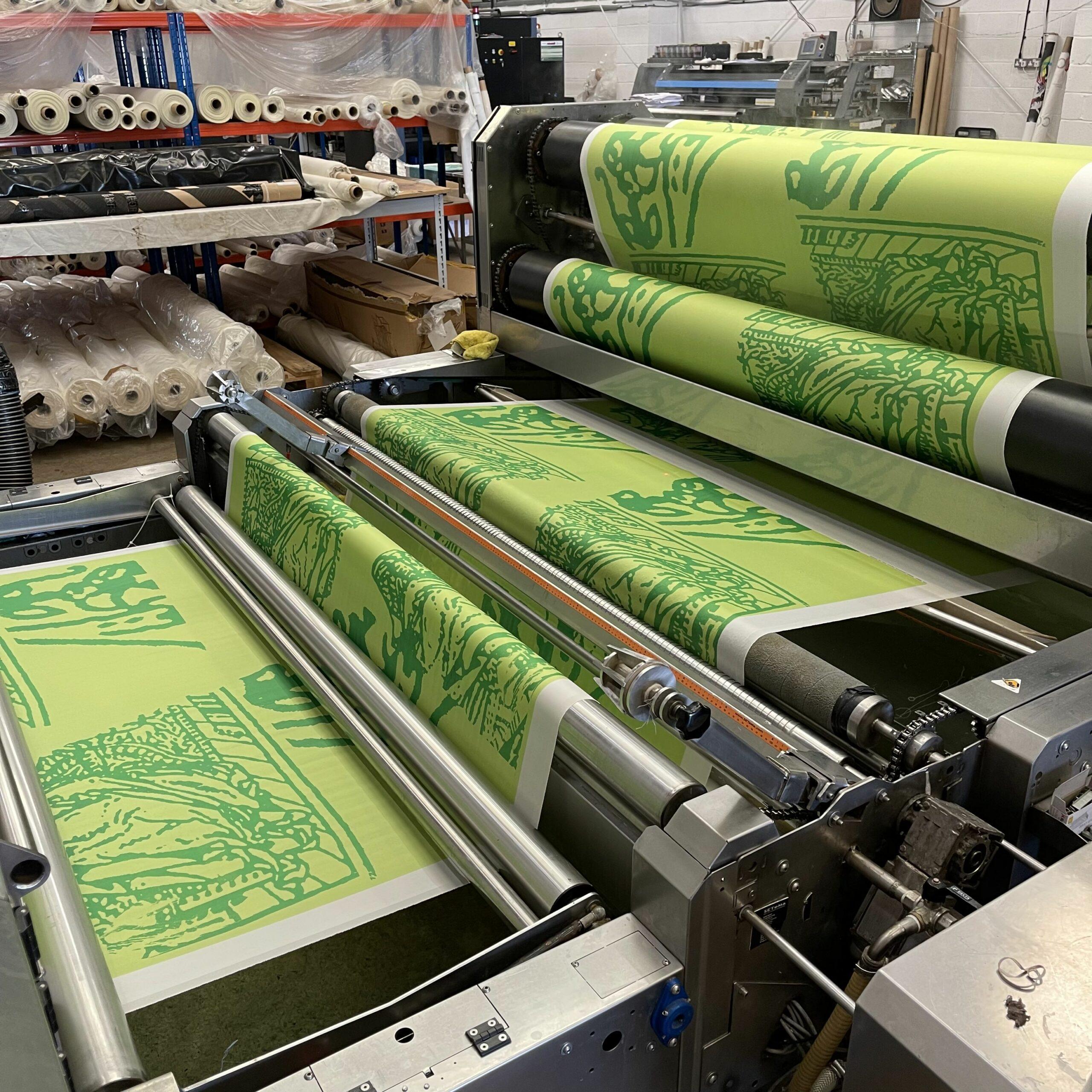
Digital printing on fabric has become one of the most significant advancements in the textile industry. It allows manufacturers, designers, and businesses to print detailed images directly onto fabric using advanced inkjet technology. Unlike traditional textile printing methods that require screens or rollers, digital printing transfers artwork from a computer directly to the fabric, making the process faster, more flexible, and highly accurate.
The growing demand for customized products has increased the popularity of Digital printing on fabric across many industries. Fashion brands, home décor companies, sportswear manufacturers, and promotional product businesses all use this technology to produce high-quality printed textiles with shorter production times and lower setup costs. Whether printing a single custom design or producing thousands of meters of fabric, digital printing delivers consistent quality while supporting creative freedom.
Digital printing on fabric is a modern textile printing process that applies digital artwork directly onto fabric using specialized textile printers. The printer receives a digital design file and precisely sprays tiny droplets of ink onto the fabric surface.
Unlike conventional screen printing, there is no need to prepare separate screens for each color. This allows complex artwork, photographs, gradients, and intricate patterns to be printed efficiently in a single process.
Because the printing process is digitally controlled, every design can be customized without interrupting production. This flexibility makes digital printing an excellent choice for businesses offering personalized products.
The process begins with designing the artwork using graphic design software. High-resolution images produce sharper details and better color accuracy.
Depending on the fabric type and ink system, the material may require a pre-treatment solution that improves ink absorption and color brightness.
The prepared fabric is loaded into a digital textile printer, where precision print heads apply microscopic droplets of ink according to the digital file.
After printing, the fabric is heat cured, steamed, or pressed to permanently bond the ink with the textile fibers.
Some fabrics are washed after printing to remove excess chemicals before drying, ironing, and quality inspection.
This method prints directly onto rolls of fabric and is commonly used for fashion textiles, upholstery, curtains, and decorative fabrics.
Dye sublimation first prints artwork onto transfer paper before using heat to transfer the image into polyester fibers. The result is vibrant, durable, and fade-resistant.
This technique prints directly onto finished garments such as T-shirts, hoodies, and sweatshirts, making it ideal for custom apparel businesses.
Different fabrics require different ink technologies for the best results.
Cotton is widely used because it produces bright colors, soft textures, and detailed prints.
Polyester works especially well with sublimation printing and is commonly used for sportswear and promotional products.
Silk provides premium-quality printed fabrics with rich colors and excellent detail.
Linen is often selected for home furnishing products such as curtains and tablecloths.
Many blended materials offer excellent print quality while combining the strengths of different fibers.
Digital printers reproduce sharp images, smooth gradients, and intricate details with impressive accuracy.
Designers can print photographs, detailed illustrations, and colorful graphics without worrying about screen preparation.
Digital printing reduces production time because no screens or plates need to be manufactured.
Short production runs become economically viable since setup expenses are minimal compared to traditional printing methods.
Each printed item can feature different names, logos, patterns, or artwork without changing equipment.
Many digital printing systems use less water and generate less waste than several conventional textile printing methods.
Businesses can print products only after receiving customer orders, reducing excess inventory and storage costs.
Fashion designers use digital printing to create dresses, shirts, scarves, jackets, children's clothing, and seasonal collections.
Printed cushions, curtains, bedding, upholstery, table runners, and decorative fabrics are common applications.
Sports uniforms often include personalized names, numbers, sponsor logos, and team graphics that digital printing handles efficiently.
Businesses produce exhibition displays, banners, flags, tote bags, and branded textiles using digital printing technology.
Hotels, restaurants, offices, and retail stores use customized printed fabrics to enhance interior spaces and reinforce brand identity.
Digital printing offers practical solutions for businesses looking to improve efficiency while maintaining product quality.
One major advantage is rapid product development. Designers can create samples within hours rather than waiting days for screen preparation. Faster sampling shortens approval times and accelerates product launches.
Digital printing also supports mass customization. Online retailers can offer personalized products without maintaining large inventories or investing in expensive production setups.
Another valuable benefit is production flexibility. Manufacturers can switch between completely different designs with almost no downtime, allowing them to respond quickly to changing customer preferences and seasonal trends.
Additionally, consistent digital workflows improve repeatability, helping businesses maintain reliable print quality across multiple production batches.
Although digital printing offers numerous advantages, businesses should consider several important factors before investing.
Industrial digital textile printers require a significant upfront investment, although long-term operational efficiency often offsets the initial cost.
Choosing the correct ink for each fabric type is essential to achieve vibrant colors and long-lasting prints.
Professional color management ensures that printed fabrics accurately match the original digital artwork.
Inadequate pre-treatment can affect color intensity, print sharpness, and wash durability.
For extremely high-volume production using identical designs, traditional rotary screen printing may remain more economical.
Digital printing on fabric is a process that prints digital artwork directly onto textiles using specialized inkjet printing technology without traditional printing screens.
Cotton, polyester, silk, linen, rayon, canvas, bamboo fabric, and blended textiles are commonly used with digital printing systems.
Yes. When appropriate inks, proper fabric preparation, and correct finishing techniques are used, digital prints offer excellent wash durability and color retention.
Yes. Digital printing is ideal for personalized products because each item can feature unique artwork without increasing production complexity.
Fashion, sportswear, interior decoration, hospitality, advertising, home furnishings, promotional products, and textile manufacturing all benefit from digital textile printing.
Digital printing on fabric has transformed textile manufacturing by combining precision, speed, flexibility, and creative freedom into a single production process. Its ability to produce vibrant colors, detailed graphics, and customized designs without expensive setup procedures makes it one of the most practical solutions for modern textile businesses.
As consumer demand continues to shift toward personalization and shorter production cycles, digital printing is expected to become even more important across the global textile industry. Businesses that adopt this technology can improve production efficiency, reduce waste, respond quickly to market trends, and deliver high-quality printed fabrics that meet the expectations of today's customers. Whether used for fashion, home décor, promotional products, or commercial textiles, digital printing on fabric remains a reliable and future-focused printing solution.