English
 Arabic
 French
 Spanish
 Portuguese
 Deutsch
 Turkish
 Dutch
Dutch
 Italiano
 Russian
 Romaian
 Portuguese (Brazil)
 Greek
Greek

Expert Food & Drink Branding London Solutions
Drinks |
2026-06-23 06:16:47
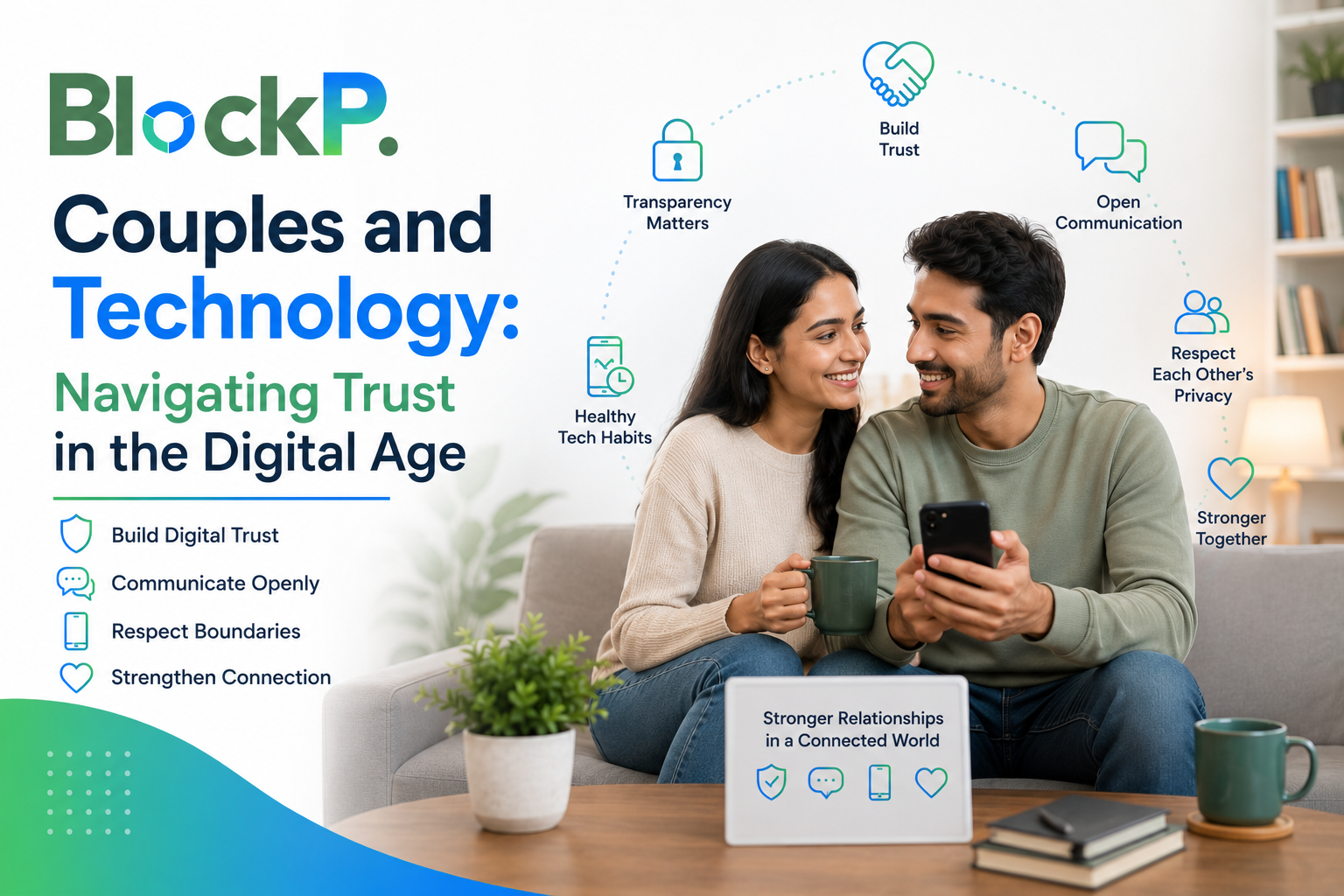
Technology has transformed nearly every aspect of modern relationships. Couples can stay connected throughout the day with text messages, video calls, social media interactions, and shared digital calendars. Long-distance relationships can thrive through instant communication, and partners can easily share experiences, memories, and important life moments online.
Yet the same technology that brings people closer can sometimes create new challenges. Questions about privacy, social media behavior, online friendships, device usage, and digital transparency have become increasingly common sources of relationship tension.
In many relationships today, disagreements are less likely to involve physical distance and more likely to involve digital boundaries. How much privacy should each partner have? Is sharing passwords a sign of trust or a sign of insecurity? What happens when online behavior creates misunderstandings or feelings of betrayal?
There are no universal answers that work for every couple. However, healthy relationships often share one important characteristic: open communication about expectations, boundaries, and trust.
As technology continues to shape daily life, couples who intentionally discuss digital habits are often better equipped to maintain strong, healthy relationships.
A generation ago, most relationship interactions happened in person, over the phone, or through occasional communication during the day.
Today, partners may remain connected almost constantly.
Modern technology introduces new relationship dynamics such as:
While these tools offer convenience and connection, they also create situations that previous generations rarely encountered.
The result is that trust often extends beyond physical interactions into digital environments.
Technology itself is rarely the actual problem.
More often, conflict arises because partners have different expectations about technology use.
For example:
One partner may view frequent social media interaction as harmless.
The other may see it as crossing a relationship boundary.
One person may enjoy sharing personal updates publicly.
The other may prefer greater privacy.
Neither perspective is automatically right or wrong.
The challenge lies in understanding and respecting each other's expectations.
Many relationship disagreements occur not because boundaries exist, but because those boundaries were never clearly discussed.
Healthy communication remains the foundation of trust.
This principle applies just as strongly to digital issues as it does to traditional relationship challenges.
Couples benefit from discussing topics such as:
These conversations are often most productive when approached with curiosity rather than accusation.
Questions such as:
"What feels comfortable to you?"
and
"How do you view this situation?"
often lead to better outcomes than assumptions or confrontations.
Boundaries are not signs of distrust.
They are guidelines that help relationships function respectfully.
Every couple may establish different boundaries based on their values, experiences, and comfort levels.
Examples might include:
How much relationship information should be shared publicly?
How often should partners check in during the day?
What level of privacy feels appropriate?
What interactions feel respectful and comfortable?
The key is mutual understanding rather than imposing rules unilaterally.
Healthy boundaries typically emerge through conversation and agreement.
One common misconception is that trust requires complete access to every aspect of a partner's digital life.
In reality, privacy and trust are not opposites.
A healthy relationship can include both.
Most people value some degree of personal space, whether physical, emotional, or digital.
Respecting privacy does not necessarily indicate secrecy.
Likewise, requesting privacy does not automatically signal wrongdoing.
Strong relationships often balance openness with individual autonomy.
Social media can influence relationships in subtle ways.
Couples may compare their relationship to carefully curated online portrayals of other people's lives.
These comparisons can create unrealistic expectations.
Online content often highlights:
What is often absent are everyday challenges, disagreements, and ordinary moments.
Remembering that social media rarely reflects the complete picture can help reduce unnecessary pressure.
Trust can be damaged in many ways.
In today's world, some breaches occur through digital behavior.
Examples may include:
The emotional impact of digital betrayals can be significant because trust itself is at stake.
While every situation is unique, rebuilding trust generally requires:
Quick fixes rarely resolve deeper trust concerns.
Meaningful repair often takes time.
Digital communication can strengthen relationships, but it cannot replace genuine connection.
Healthy relationships still depend on:
Some couples find that excessive screen use creates distance despite constant connectivity.
Creating device-free moments can help strengthen real-world connection.
Examples include:
These moments often provide opportunities for deeper engagement than digital interactions alone.
Transparency is frequently discussed in relationship advice.
However, transparency differs from surveillance.
Transparency involves voluntarily sharing information and being honest about actions.
Surveillance involves monitoring or controlling another person's behavior.
Healthy transparency often includes:
Trust generally grows through voluntary openness rather than forced access.
Sometimes couples identify specific digital habits that create challenges.
These may involve:
In such situations, collaborative problem-solving is often more effective than criticism.
When both partners agree on goals, they may choose strategies that support healthier habits.
For example, some couples explore accountability systems, digital wellbeing practices, or tools such as BlockP as part of a mutually agreed approach to managing online behaviors. The most effective solutions are typically those that support trust and shared goals rather than creating control or coercion.
Digital expectations evolve over time.
New platforms emerge.
Life circumstances change.
Relationship needs shift.
For this reason, ongoing conversations are important.
Regular check-ins allow couples to discuss:
These conversations can prevent small misunderstandings from becoming larger conflicts.
Many successful couples develop a shared approach to technology.
Rather than focusing solely on restrictions, they ask:
These discussions help create alignment and reduce ambiguity.
A shared philosophy often provides clearer guidance than a long list of specific rules.
Technology has added new dimensions to modern relationships, creating opportunities for connection while also introducing challenges related to trust, privacy, and communication. Navigating these issues successfully requires more than passwords, apps, or monitoring systems. It requires honest conversations, mutual respect, and a willingness to understand each other's perspectives.
Every couple will define digital boundaries differently. What matters most is that those boundaries are discussed openly and agreed upon together. By prioritizing communication, transparency, and trust, couples can build relationships that remain strong both online and offline.
In the digital age, trust is not built through constant access. It is built through consistent honesty, respect, and shared understanding.
There is no universal rule. Some couples choose to share passwords as a sign of openness, while others prefer maintaining individual privacy. What matters most is that both partners feel comfortable with the arrangement and that it is based on mutual agreement rather than pressure.
Rebuilding trust usually involves honest communication, accountability, transparency, consistency, and patience. Trust is rarely restored immediately and often requires ongoing effort from both partners.
Yes. Healthy transparency generally works best when both partners participate equally. Mutual openness helps create fairness, strengthens trust, and prevents one-sided expectations within the relationship.