English
 Arabic
 French
 Spanish
 Portuguese
 Deutsch
 Turkish
 Dutch
Dutch
 Italiano
 Russian
 Romaian
 Portuguese (Brazil)
 Greek
Greek

Why Authentic Mexican Vanilla Beans for Sale Are Worth the Investment
Food |
2026-07-15 11:24:00
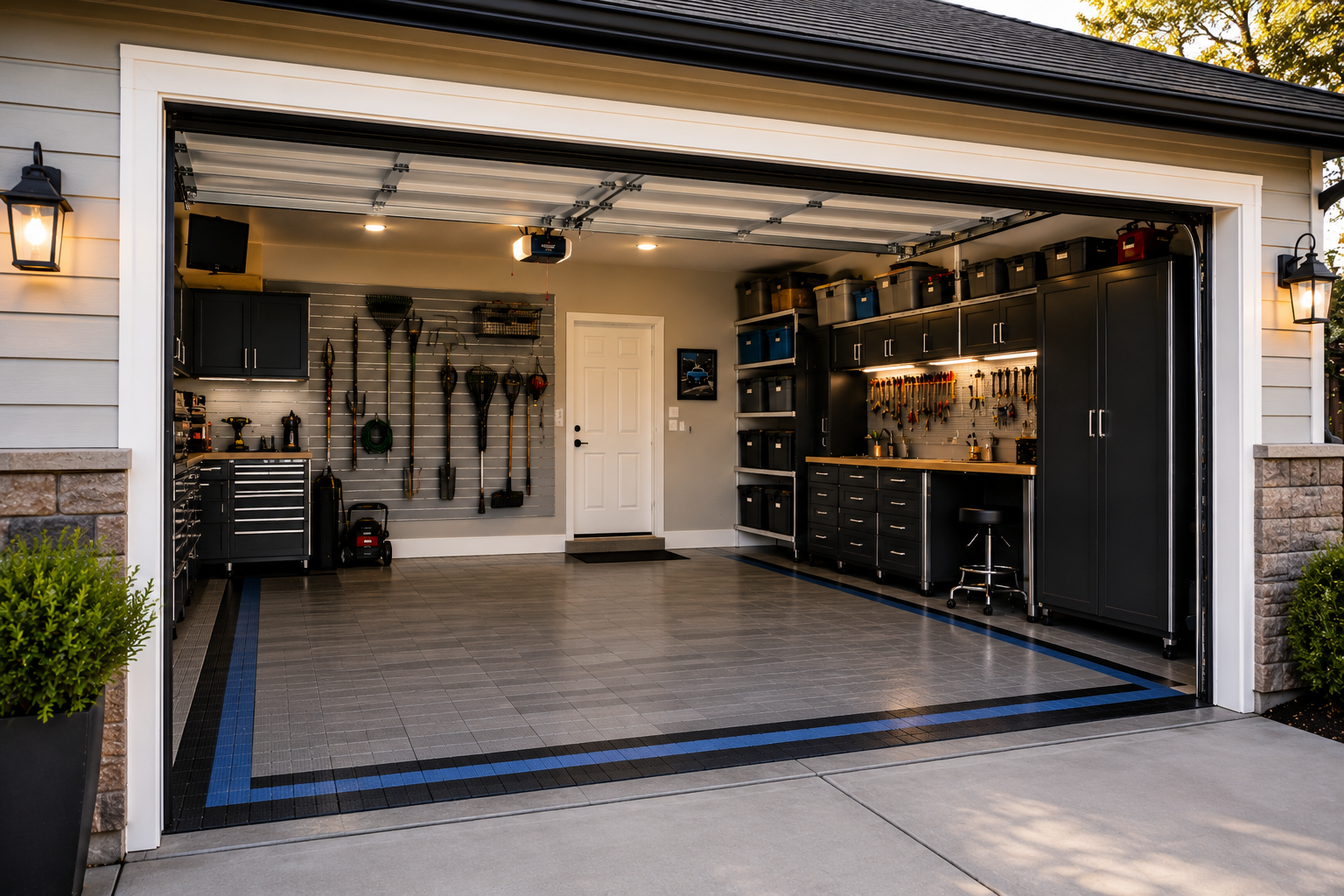
A garage is more than just a place to park your car. For many homeowners, it serves as a workshop, storage area, home gym, or even a hobby space. With so many purposes packed into one area, a well-designed garage can make everyday life more convenient while also adding value to your home.
The key is to focus on functionality instead of simply filling the space with shelves or cabinets. A garage that is thoughtfully planned is easier to organize, safer to use, and much simpler to maintain over time. Here are the essential elements to consider when designing a garage built to last.
Before purchasing storage systems or renovating the space, think about how your garage will be used. Some homeowners need room for two vehicles, while others prioritize a workshop, bicycle storage, or seasonal equipment.
Listing your priorities helps you create designated zones instead of allowing everything to compete for the same space. A clear layout also makes future upgrades much easier.
Garage floors experience constant wear from vehicles, heavy tools, moisture, dirt, and chemical spills. Choosing the right flooring material is one of the smartest investments you can make because it affects both durability and maintenance.
There are several materials available, each offering different benefits depending on your budget and how you use the space. If you're comparing different solutions, this guide to garage flooring options explains the advantages and drawbacks of popular choices such as epoxy, vinyl, porcelain tile, and polished concrete, helping homeowners select the most suitable surface for their needs.
A durable floor not only improves appearance but also makes cleaning easier and protects the concrete underneath from long-term damage.
One of the biggest reasons garages become cluttered is the lack of dedicated storage.
Instead of stacking boxes on the floor, consider using:
Keeping frequently used items within easy reach while storing seasonal equipment overhead creates more usable floor space and makes the garage feel larger.
Many garages rely on a single ceiling fixture, which often leaves work areas poorly lit.
Installing bright LED lighting can significantly improve visibility while reducing energy consumption. Task lighting above workbenches or tool stations also makes DIY projects safer and more enjoyable.
Natural light from windows or insulated garage doors with glass panels can further brighten the space during the day.
Proper airflow is especially important if your garage doubles as a workshop or exercise area.
Simple upgrades such as exhaust fans, vents, or additional windows help reduce humidity, improve air quality, and minimize odors from paints, fuels, or cleaning products. Good ventilation also helps protect stored belongings from moisture-related damage.
Durability shouldn't stop with the floor. Walls, cabinets, and countertops should also be selected with maintenance in mind.
Washable paint, moisture-resistant wall panels, and sturdy cabinetry are practical choices because they withstand everyday use and are easier to clean. Investing in quality materials often reduces repair costs in the long run.
A functional garage should also be a safe one.
Keep hazardous chemicals in secure cabinets, install smoke and carbon monoxide detectors if the garage is attached to your home, and make sure heavy shelving is anchored properly.
If children have access to the garage, store sharp tools and power equipment out of reach or behind locked doors.
Your lifestyle may change over the years, and your garage should be flexible enough to adapt.
Leaving room for additional storage, electric vehicle charging, or a future workspace allows you to modify the space without starting another major renovation. Modular shelving and adjustable storage systems are particularly useful because they can be reconfigured as your needs evolve.
Even the best-designed garage benefits from occasional maintenance.
Sweep the floor regularly, inspect for cracks or water leaks, organize stored items every few months, and service the garage door according to the manufacturer's recommendations. Small maintenance tasks help preserve the appearance and functionality of the space for years to come.
Designing a functional garage is about creating a space that supports your daily routine while remaining durable enough to handle years of use. By planning an efficient layout, investing in quality flooring, improving storage, and keeping maintenance simple, you can transform an ordinary garage into one of the most practical areas of your home.