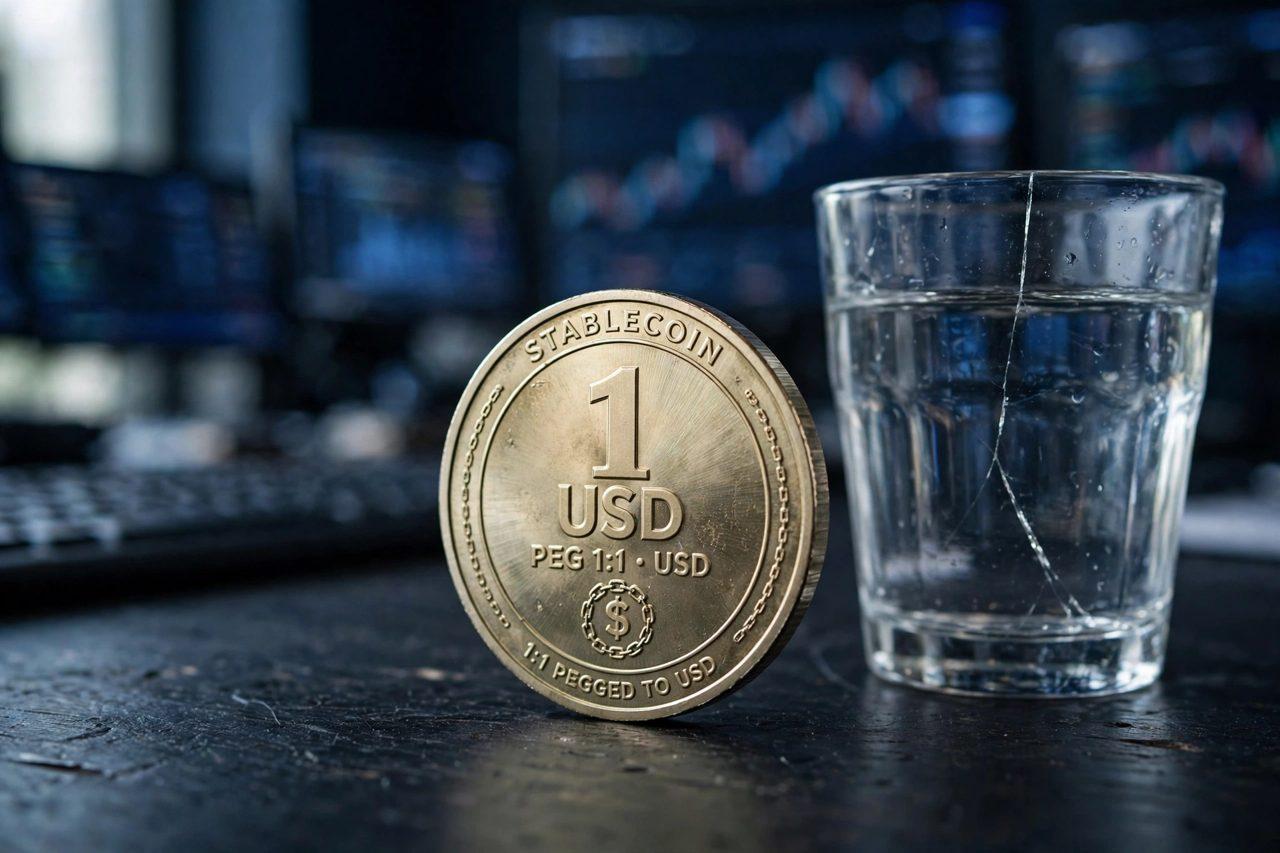
What Is a Stablecoin Depeg? Why Stablecoins Lose Their $1 Peg and What Happens Next, Explained

A stablecoin is supposed to be the boring part of crypto: one coin, one dollar, every day. A depeg is the moment it stops being boring — the coin's market price slips away from $1, sometimes by a few cents, sometimes by far more, and everyone holding it suddenly has to ask how solid the promise behind it really was.
Understanding depegs matters because stablecoins sit underneath almost everything else in crypto. They are the cash leg of most trades, the parking place between positions, and the settlement asset on exchanges and in DeFi. When one wobbles, the stress rarely stays inside that one coin.
## What "the peg" actually means
A peg is a target price maintained by design, not by law. A dollar stablecoin aims to trade at **$1.00** because its issuer (or its mechanism) stands ready to exchange each coin for one dollar's worth of value. As long as traders believe that exchange will always work, arbitrage keeps the price pinned: if the coin dips to $0.99, buyers snap it up to redeem at $1; if it rises to $1.01, new coins are created or sold into the strength.
The peg, in other words, is confidence plus a working exit. A depeg is what happens when one of those two legs gives way.

## The main ways a stablecoin is built
Not all stablecoins carry the same risk, and the design decides how a depeg unfolds:
- **Cash-and-bills backed:** reserves held in bank deposits and short-term government bills. The risk is banking and reserve access — if the issuer's bank fails or reserves are frozen, redemptions can stall even when the assets exist.
- **Crypto-collateralised:** backed by more crypto than the coin's value, locked in smart contracts. The risk is a violent fall in the collateral itself, which can force liquidations and shrink supply in a hurry.
- **Algorithmic:** the peg is maintained by mint-and-burn mechanics with a sister token rather than by full reserves. This design has produced the deepest depegs in crypto history, because when confidence breaks, the mechanism can spiral — more coins printed to defend the peg, each worth less than the last.
## Why depegs happen
**Reserve doubts.** A rumour — or a fact — about what actually backs the coin is the classic trigger. If holders suspect the reserves are short, illiquid or stuck in a troubled bank, they sell first and ask questions later.
**Redemption pressure.** If large holders rush to redeem at once and the issuer processes withdrawals slowly, the market price falls below $1 because selling on an exchange is faster than waiting in the redemption queue.
**Collateral crashes.** For crypto-backed coins, a sharp market fall can push collateral values toward the danger zone, and forced selling adds fuel.
**Exchange or liquidity problems.** Sometimes the coin is fine but one venue is not: thin order books on a single exchange can print a scary price that does not reflect the wider market. Short, shallow dips on one platform are usually this, not a true depeg.
## What happens during a real depeg
Prices tell the story in stages. A slip to **$0.98 or $0.97** is a warning shot — arbitrageurs test whether redemptions still work. A fall through **$0.95** usually means the exit is jammed or doubted. Below that, the dynamic changes: lending markets that accepted the coin as collateral start liquidating positions, pools in DeFi become unbalanced as everyone swaps out of the weak coin, and the issuer's response — pausing redemptions, publishing reserve proof, or honouring withdrawals visibly and quickly — decides whether the peg recovers or the run completes.
History's pattern is consistent: pegs that recovered did so because redemptions kept working in public view. Pegs that died did so because the backing, when finally tested, was not there.
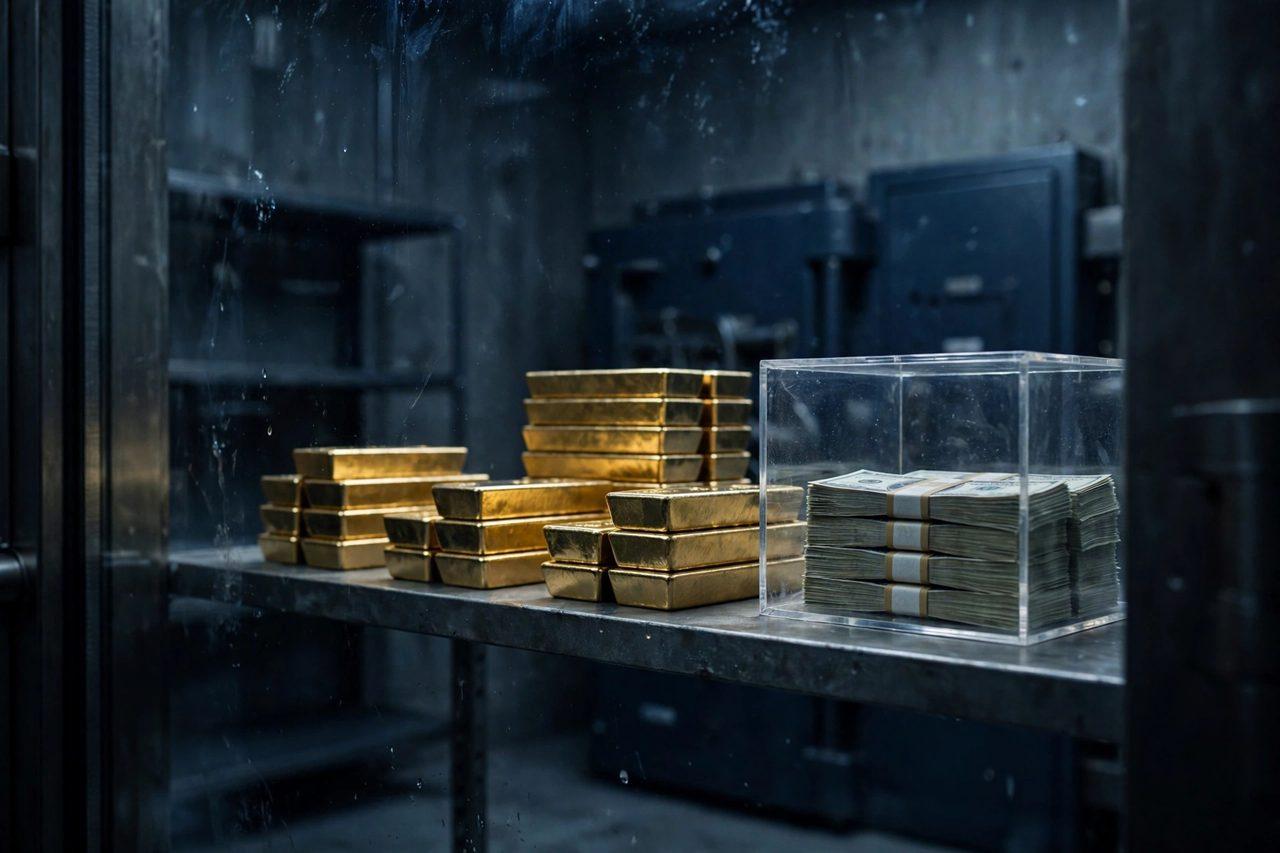
## How to judge a stablecoin before you park money in it
- **Read the reserve reports.** Regular attestations, named custodians and reserves in cash and short-term bills are the strongest profile.
- **Check who can redeem, and how fast.** Direct redemption for verified customers, with a track record of honouring large withdrawals on stressed days, is the real peg defence.
- **Watch the price across several venues.** One exchange printing $0.97 while the rest hold $1.00 is a venue problem; every venue slipping together is a coin problem.
- **Mind concentration.** If one lending pool or one exchange holds most of the supply, stress there travels fast.
- **Keep working balances lean.** Traders who lived through past depegs treat stablecoins as a tool for settlement, not a savings account — size positions so a bad week for one coin is survivable.
## FAQ
**Is a small dip below $1 always a depeg?**
Brief slips of a few tenths of a cent happen in normal trading. A depeg usually means a sustained move of 1% or more away from $1, driven by doubts about backing or redemptions.
**Can a depegged stablecoin recover?**
Yes — if redemptions keep working and reserves are demonstrably intact, arbitrage pulls the price back to $1, and several major coins have recovered from sharp, short depegs exactly this way.
**Which stablecoin design has failed worst?**
Under-collateralised algorithmic designs have produced the total collapses, because their defence mechanism depends on the market value of a related token — the very thing that falls during a panic.
**Should I swap out at the first sign of trouble?**
That is a personal risk decision, but experienced holders act on evidence — redemption status and reserve information — rather than on a single venue's price print.
Stablecoins are infrastructure, and like all infrastructure they deserve inspection before trust. For continuing coverage of the stablecoin market and the wider crypto economy, follow the Zimbuck News page (https://zimbuck.com/pages/zimbucknews) and join the discussion in the Zimbuck Market News group (https://zimbuck.com/groups/zimbuckmarketnews). For background on how these coins are meant to hold $1, see What Is a Stablecoin? How USDT, USDC and DAI Hold Their $1 Peg — Explained: https://zimbuck.com/blogs/964/What-Is-a-Stablecoin-How-USDT-USDC-and-DAI-Hold New to the platform? Join Zimbuck (https://zimbuck.com) to follow the markets with a community that reads the fine print.
This article is market news and general information only, not financial advice.