



The download takes thirty seconds. The app looks identical to the real exchange — same logo, same colours, same login screen. The deposit address it gives you, however, belongs to a thief, and the "balance" it shows afterwards is painted on. Fake exchange apps are one of the most reliable ways criminals separate new traders from their money, precisely because nothing about the experience feels wrong until the withdrawal never arrives.
This guide explains how fake apps reach your phone, the tells that give them away, and a verification routine that takes two minutes before any deposit.
Why fake apps work so well
A fake app does not need to fool an expert for a month. It needs to fool a busy person for one deposit. Criminals build pixel-perfect clones of well-known exchanges, seed them through unofficial app stores, download sites and links in messaging groups, and sometimes slip them into official stores under slightly altered developer names before moderators catch them.
Once installed, the pattern is consistent:
- The app asks you to log in or register, harvesting credentials if you reuse them
- It shows a deposit address controlled by the criminal, often with a small "activation" or "verification" deposit requested first
- Your fake balance updates normally, so nothing feels broken
- Withdrawals are blocked behind new fees, "tax payments" or silence
Because the balance screen is fake, victims often deposit a second and third time before suspecting anything. Practical security guides like this one are collected on the Zimbuck News page (https://zimbuck.com/pages/zimbucknews).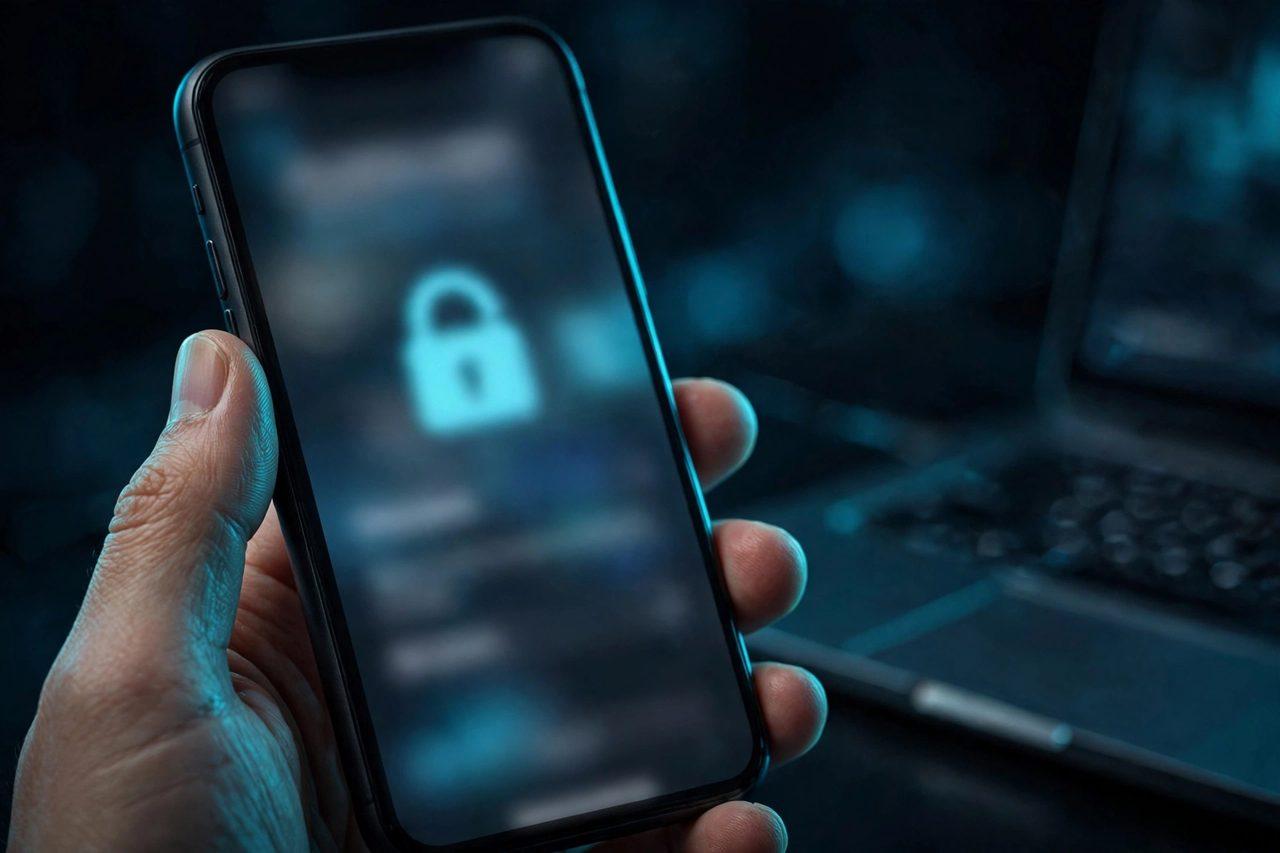
The tells: seven checks before any deposit
1. The source of the download. Only install from the official store listing reached from the exchange's own website — never from a link in a message, a QR code in a group chat, or a third-party APK site.
2. The developer name. On the store listing, read the developer field carefully. One changed letter or an added word is the classic disguise.
3. Download counts and history. The real app of a major exchange has a long history and a large install base. A clone usually shows a recent publish date and few downloads.
4. Review patterns. Fake listings carry clusters of short, generic five-star reviews posted close together — and, tellingly, a trail of one-star reviews using words like "scam" and "withdrawal".
5. The website cross-check. Type the exchange's address yourself (never tap a link), open its official app page, and confirm it points to the exact listing you installed.
6. Permissions. A trading app has no reason to demand access to your messages, contacts or accessibility controls. Unusual permission requests are a hard stop.
7. The small-withdrawal test. If anything about the install route was unusual, deposit nothing until a tiny test amount has gone in AND come back out successfully.
What to do if you already installed one
Stop depositing immediately. If you entered a password you use anywhere else, change it from a clean device and turn on app-based two-factor authentication. If you sent funds, save the deposit address and transaction IDs — they are the core evidence for any report — and warn the group or channel where you found the link, because that is where the next victim is. The recovery reality is harsh: transfers to a criminal's address are not reversible, which is why the two-minute check before the first deposit matters more than anything after it.
Exchange-app safety is discussed regularly in the Zimbuck Market News group (https://zimbuck.com/groups/zimbuckmarketnews), and a useful companion read is the Zimbuck report on the MoldyRoost seed-phrase theft campaign (blog 6487, link as a related read if the editor allows).
FAQ
Can fake apps appear in official app stores? Yes, briefly. Clones sometimes pass review under altered developer names, which is why the checks above matter even for store installs.
How is a fake app different from a phishing website? A phishing site imitates one page in a browser; a fake app imitates the whole product on your phone and controls the deposit addresses it shows you.
I only entered my login, no deposit. Am I safe? Change that password everywhere you reused it and enable two-factor authentication — harvested credentials are used for credential-stuffing attacks.
Does the exchange reimburse fake-app losses? Generally no, because the funds never reached the exchange. Prevention is the only reliable protection.
What is the single fastest check? Reach the store listing only through the exchange's official website, typed by hand. That one habit defeats most clone distribution.
A polished interface is not proof of a real exchange — provenance is. Verify the source, test with a withdrawal, and only then treat an app as your gateway to the market. This article is general information only, not financial advice. Join the discussion and follow every market that matters on Zimbuck (https://zimbuck.com).




