

Blur to Shut Down Its NFT Marketplace Website on November 12 as Blend Stops New Loans

The website goes, the protocol stays
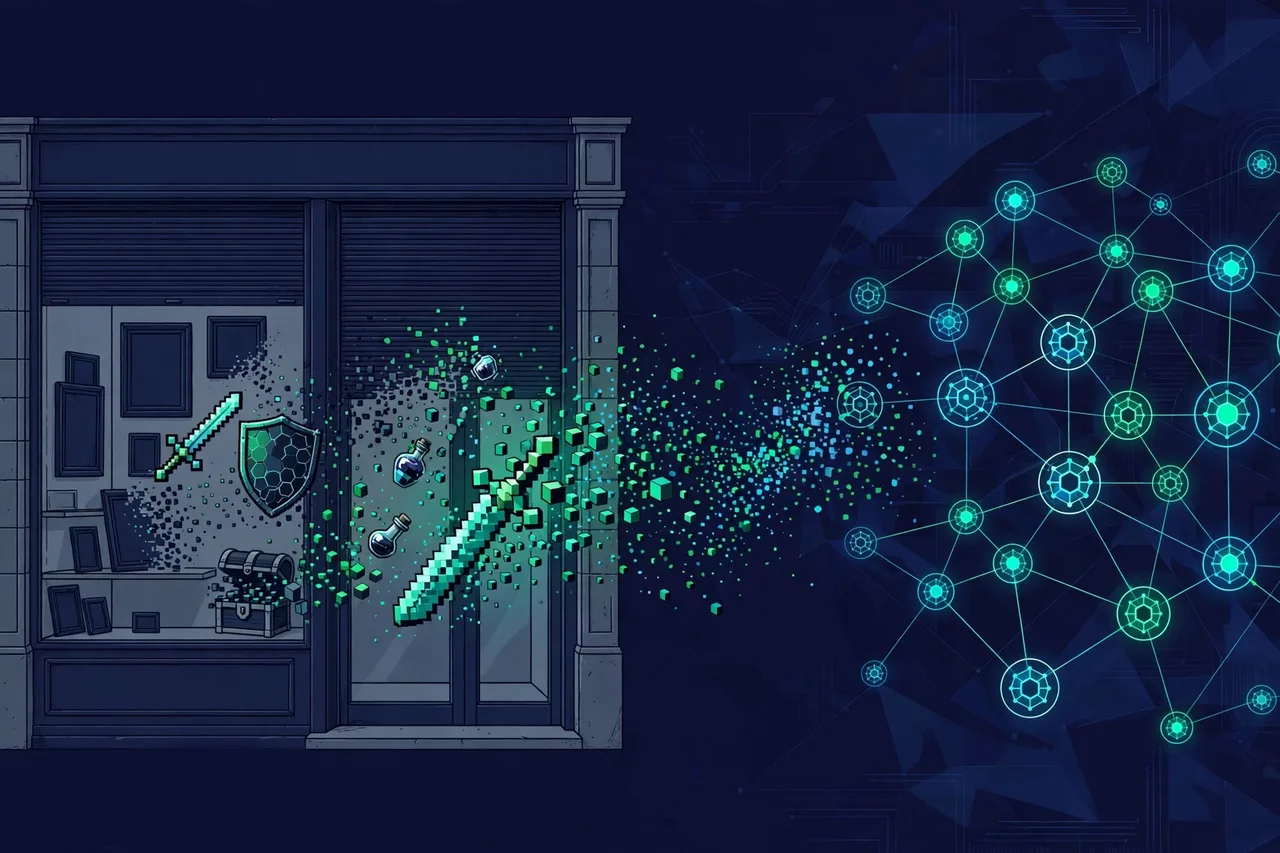
Blur, once the dominant NFT marketplace, will shut down its marketplace frontend on November 12, 2026. The decision was announced on October 12. The website is going away, but the protocol is not: Blur's marketplace smart contracts will keep running on Ethereum, so trading stays possible directly on-chain for users who know how to interact with the contracts. BLUR holders keep their governance role, including control of the fee switch that decides whether the protocol can start charging trading fees. Blur has not given a financial or operational reason for the shutdown, and it has warned users about fake accounts and fraudulent announcements during the transition — a warning worth taking seriously, because shutdown windows are prime hunting season for impersonators. For most collectors, the practical message is simple: the familiar website disappears on November 12, but the underlying trading rails do not — they just become harder to use without an interface.
Blend winds down beside it
The same date ends new lending on Blend, the peer-to-peer NFT lending protocol Blur built with Paradigm and launched in May 2023. Blend will stop matching new loans on November 12, and borrowers with open loans have until that date to repay them or let them default. Blur plans to release a separate frontend tool after the deadline to help users withdraw assets, but no release date has been set — so borrowers should not plan around a tool that has no date. Some of the largest open positions on Blend are backed by Bored Ape Yacht Club and Mutant Ape Yacht Club NFTs, and lending protocol Gondi has partnered with GrailsOTC to offer refinancing and migration paths for affected borrowers. If you have a Blend loan, the checklist is short and urgent: know your repayment deadline, know what happens on default, and look at refinancing options before November 12 rather than after, when the matching engine has already stopped.
From more than 70% share to a shutdown
Blur's fall is a case study in how fast token-incentive volume can evaporate. Built to compete with OpenSea, Blur handled more than 70% of Ethereum NFT trading volume by March 2023. By March 2026, monthly volume had fallen below $7 million. After the shutdown news, BLUR dropped more than 20% and traded near $0.015, with a market capitalisation of about $44 million. Blur is the second project linked to its founding team to wind down in a month: Blast, the Ethereum layer-2 network created by Pacman and developed by the team behind Blur, announced its shutdown on October 2, after deposits fell from over $2 billion to about $32 million. The wider NFT market has seen similar exits — Binance ended NFT trading on July 3, 2026, Nifty Gateway has closed, and Magic Eden has narrowed its marketplace to Solana, while OpenSea, Tensor, Rarible and SuperRare are still running. The weekly backdrop is thin too: about $42.13 million in global NFT sales over the latest seven-day period, down about 35.37%, with Ethereum leading chains at about $13.17 million.
What it means for Web3 gaming
Blur was built for traders of profile-picture collections, not for in-game items — but its exit still matters for Web3 games, because NFT marketplaces are where many players buy and sell characters, land and equipment. The shift is already underway: many on-chain games now run their own markets or rely on ecosystem marketplaces such as Ronin Market and Immutable's orderbook, where item trading sits right next to gameplay. Blur's collapse from market dominance to a website shutdown shows how quickly volume driven by token rewards can disappear once the incentives fade, and it suggests games built around real gameplay are better positioned to survive than games built around trading incentives. For players, the lesson echoes the MARBLEX shutdown covered earlier on this site: when a platform or a game winds down, what you actually own — and where you can still trade it — depends on the contracts underneath, not the website on top. Check your Blend loans, save official announcements from verified accounts only, and do not trust any "migration" link that arrives unsolicited in the next two weeks.
FAQ
When does Blur's website shut down? November 12, 2026; the shutdown was announced on October 12.
Does trading stop entirely? No — Blur's smart contracts keep running on Ethereum, so on-chain trading remains possible, just without the familiar website.
What happens to Blend loans? Blend stops matching new loans on November 12; borrowers must repay by then or face default, with a withdrawal tool promised later but undated.
How far has Blur fallen? From more than 70% of Ethereum NFT volume in March 2023 to under $7 million in monthly volume by March 2026; BLUR fell over 20% on the news to near $0.015.
What should Blend borrowers do now? Confirm your deadline and default terms, and explore refinancing options such as the Gondi/GrailsOTC paths before November 12.
Read more on Zimbuck: https://zimbuck.com/pages/zimbucknews and join the discussion at https://zimbuck.com/groups/zimbuckmarketnews . Related reading on the site: the NFTs & Gaming guide in the NFTs & Gaming category.
This article is market news and general information only, not financial advice.




