English
 Arabic
 French
 Spanish
 Portuguese
 Deutsch
 Turkish
 Dutch
Dutch
 Italiano
 Russian
 Romaian
 Portuguese (Brazil)
 Greek
Greek

Echocardiogram in Dubai – Advanced Heart Imaging at American Heart Centre Dubai
Health |
2026-07-17 07:22:48
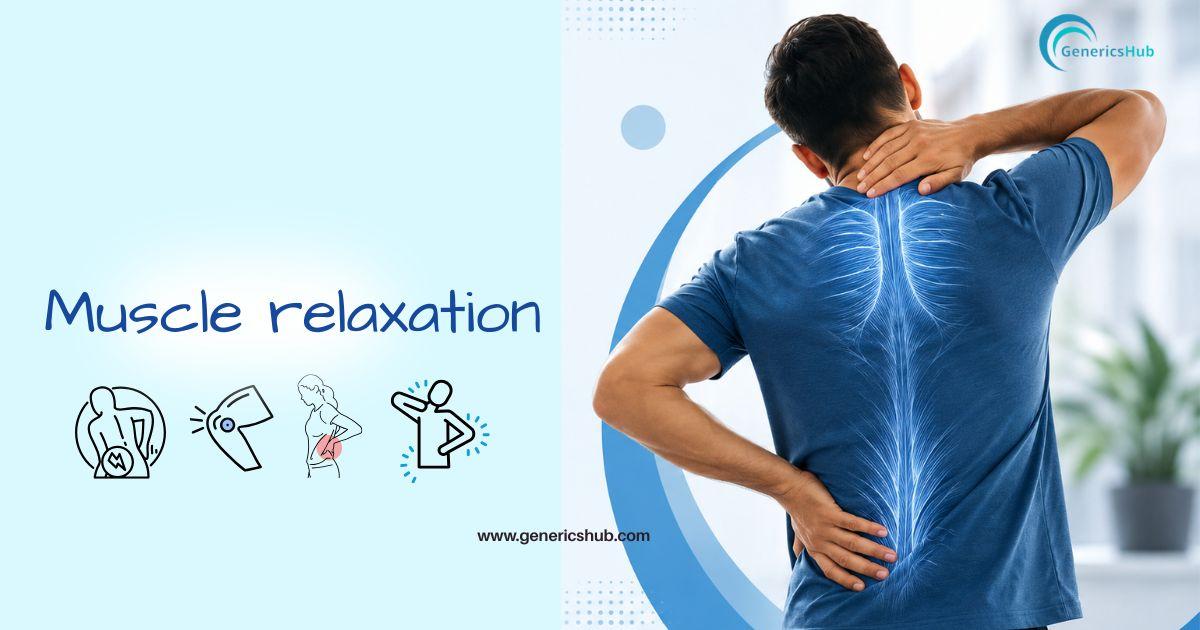
Muscle pain, stiffness, and spasms can make everyday activities difficult. Whether the discomfort comes from a sudden injury, poor posture, overuse, or an underlying condition, muscle tension can affect mobility and quality of life. Muscle relaxants are medicines commonly prescribed to help manage certain types of muscle spasms and discomfort, particularly when symptoms are related to acute musculoskeletal pain.
But how do muscle relaxants work? How long do they last, and what side effects should you know about? Understanding these medicines can help you use them safely and recognise when medical advice is needed.
This guide explains how muscle relaxants work, their common uses, dosage considerations, potential side effects, and important precautions.
What Are Muscle Relaxants?
Muscle relaxants are a group of medicines used to reduce muscle spasms, tightness, and stiffness. They may be prescribed for short-term problems involving the muscles and surrounding tissues.
Some muscle relaxants work mainly on the central nervous system, while others act more directly on muscle activity. The exact mechanism depends on the specific medicine.
For example, cyclobenzaprine is a centrally acting muscle relaxant that is commonly used as part of a treatment plan for acute muscle spasms associated with painful musculoskeletal conditions. It does not directly "loosen" muscles in the same way as stretching or massage. Instead, it primarily affects nerve signals in the brain and spinal cord that contribute to muscle spasms.
Muscle relaxants are generally intended to complement other treatments, such as rest, physical therapy, stretching, and appropriate pain management.
How Do Muscle Relaxants Work?
The way a muscle relaxant works depends on the medicine prescribed.
Some medications reduce excessive nerve activity that contributes to muscle spasms. By decreasing these signals, the medicine may help muscles relax and reduce the sensation of tightness or discomfort.
Cyclobenzaprine, for example, is structurally related to certain tricyclic antidepressants and works primarily within the central nervous system. It is believed to reduce somatic motor activity that contributes to muscle spasms, although its precise mechanism is not completely understood.
The goal is usually to break the cycle of pain → muscle spasm → increased pain. When spasms become less intense, movement may become easier, allowing patients to participate more comfortably in physical therapy and other recovery measures.
However, muscle relaxants do not necessarily treat the underlying cause of pain. If muscle spasms are caused by an injury, poor ergonomics, or another medical condition, addressing that cause remains an important part of recovery.
What Are Muscle Relaxants Used For?
Doctors may prescribe muscle relaxants for short-term treatment of certain musculoskeletal conditions involving muscle spasms and stiffness.
Common situations may include:
Treatment is usually most appropriate when muscle spasms are a significant part of the symptoms.
Muscle relaxants are not suitable for every type of pain. Chronic pain, nerve pain, arthritis, and other long-term conditions may require different treatment strategies. Your healthcare professional can determine whether a muscle relaxant is appropriate based on your symptoms and medical history.
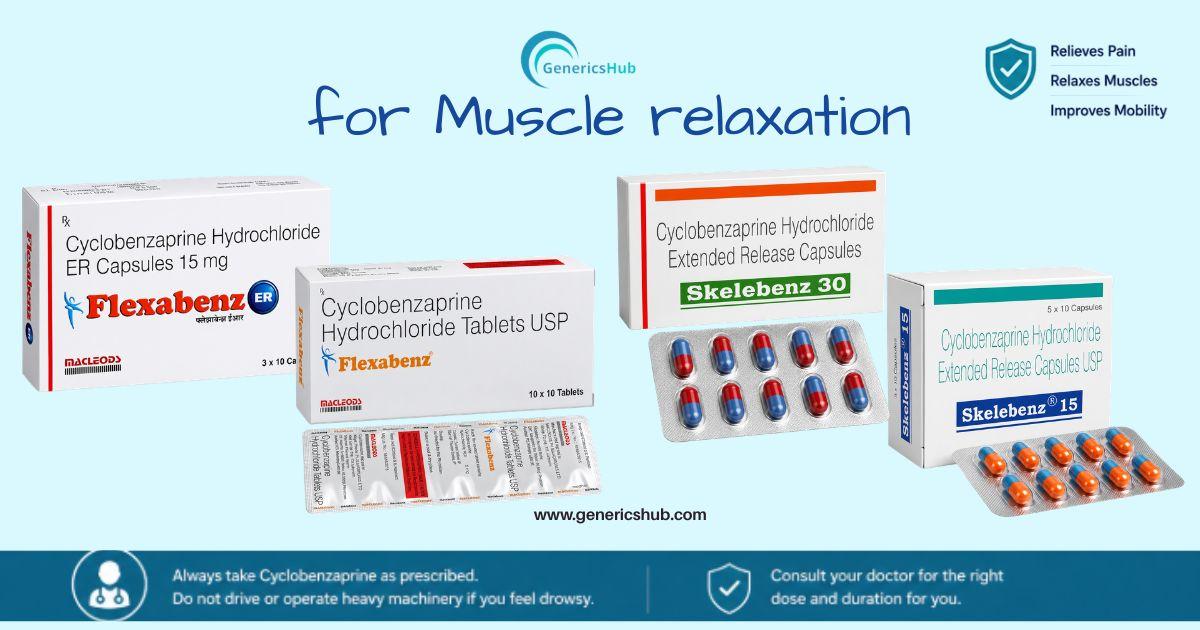
Flexabenz Tablet and Flexabenz 5mg Tablet
Flexabenz tablet is a brand name associated with cyclobenzaprine, a centrally acting muscle relaxant. The Flexabenz 5mg tablet contains 5 mg of cyclobenzaprine and may be prescribed for the short-term management of muscle spasms associated with acute painful musculoskeletal conditions.
The appropriate dose depends on several factors, including age, medical history, other medicines being taken, and the severity of symptoms.
Never assume that a higher dose will provide better results. Taking more medicine than prescribed can increase the risk of side effects, including excessive drowsiness and other complications.
Always follow the instructions provided by your healthcare professional or the medicine's official prescribing information.
How Long Does Cyclobenzaprine Last?
One of the most common questions people ask is: how long does cyclobenzaprine last?
Cyclobenzaprine has a relatively long elimination half-life, although the exact duration of effects can vary from person to person. Factors such as age, liver function, dosage, formulation, and individual metabolism can influence how long the medicine remains in the body.
The immediate-release form is commonly taken several times a day when prescribed, while extended-release formulations are designed for less frequent dosing.
Because cyclobenzaprine can cause drowsiness, some people may continue to feel sleepy or less alert after the noticeable muscle-relaxing effect has diminished. This is one reason patients should be cautious about driving or operating machinery after taking the medicine.
If you are unsure how long the effects may last for you, speak with your healthcare provider or pharmacist.
Muscle Relaxant Dosage: What You Should Know
The correct dosage depends on the specific muscle relaxant. There is no single dose that applies to every patient or every medicine.
For cyclobenzaprine, healthcare professionals typically consider the patient's age, medical condition, other medicines, and response to treatment when selecting a dose.
Treatment with cyclobenzaprine is generally intended for short-term use, particularly for acute muscle spasms. Longer treatment may not provide additional benefits and may increase the risk of unwanted effects.
Important dosage principles include:
Common Side Effects of Muscle Relaxants
Like all medicines, muscle relaxants can cause side effects. The effects vary depending on the specific drug.
Common side effects may include:
Drowsiness is particularly important because it can affect your ability to drive, cycle, work at heights, or operate machinery.
If you experience severe or unusual symptoms, seek medical advice promptly.
Important Precautions
Muscle relaxants are not appropriate for everyone. Before taking a medicine such as cyclobenzaprine, tell your healthcare professional about your medical history and all medicines or supplements you use.
Extra caution may be needed in people with:
Cyclobenzaprine may interact with certain medicines, including some antidepressants and other drugs that affect serotonin. It may also increase sedation when combined with alcohol, opioids, sleep medicines, or other central nervous system depressants.
For this reason, it is important to provide your doctor or pharmacist with a complete list of medicines you take.
Can You Take Muscle Relaxants With Alcohol?
It is generally advisable to avoid alcohol while taking a muscle relaxant that causes drowsiness.
Alcohol can increase central nervous system depression and may worsen sleepiness, dizziness, impaired coordination, and reduced alertness. The combination may increase the risk of accidents and injuries.
Always check with your healthcare professional about alcohol use with your specific medicine.
When Should You Seek Medical Advice?
Muscle spasms caused by a minor injury often improve with appropriate treatment and time. However, persistent or severe pain should not be ignored.
Seek medical advice if:
These symptoms may indicate a condition that requires prompt medical assessment.
Final Thoughts
Muscle relaxants can play a useful role in managing short-term muscle spasms associated with acute musculoskeletal pain and certain musculoskeletal conditions. Medicines such as cyclobenzaprine work primarily through the central nervous system to reduce muscle spasm-related activity and may help patients move more comfortably during recovery.
Whether you are considering a Flexabenz tablet or a Flexabenz 5mg tablet, it is important to use the medicine only as directed by a qualified healthcare professional. Understanding how long cyclobenzaprine lasts, its possible side effects, and potential drug interactions can help support safer use.
Remember that muscle relaxants are generally only one part of a broader treatment approach. Rest, physical therapy, gentle movement, and addressing the underlying cause of muscle pain can also be important for recovery. Always consult your doctor or pharmacist before starting, stopping, or changing any prescription medicine.