


How to Start Forex Trading in Pakistan: EUR/USD, Leverage and Risk — A Beginner's Guide
Forex trading is open to people in Pakistan, but not in the simple way social-media ads suggest — the legal route, the pairs that actually trade, and the risk rules matter more than any strategy
Forex — foreign exchange — is the buying and selling of one currency against another, in a market that runs 24 hours a day, five days a week. A trader aims to profit from price movements, for example by buying the euro against the US dollar (EUR/USD, the world's most liquid pair) if they expect the euro to strengthen. For a beginner in Pakistan, the honest starting point is not a signal group or a "guaranteed profit" account — it is understanding how the market works, where it stands legally at home, and how to keep a first account alive long enough to learn. This guide covers exactly that, with no strategy sold and no return promised.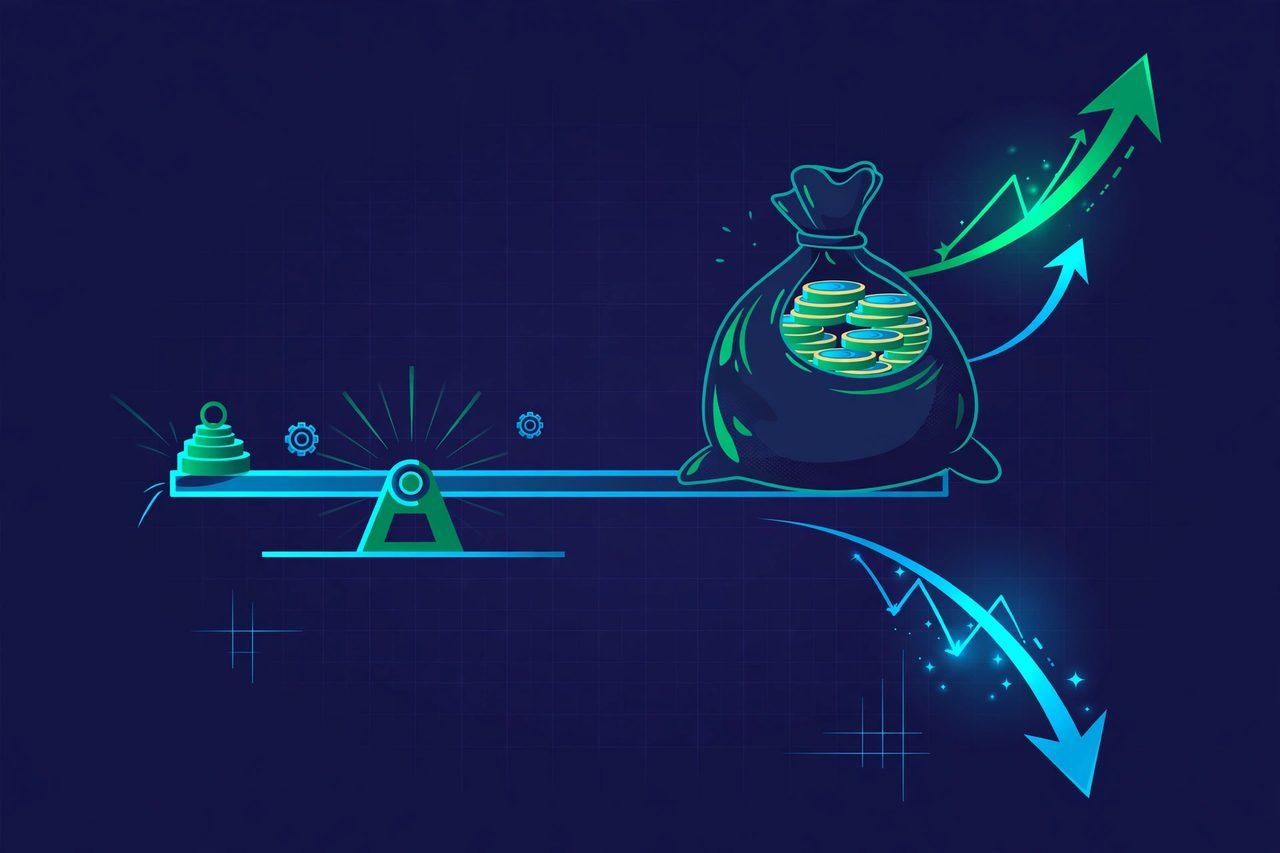 1. The legal picture in Pakistan — stated plainly
Forex trading is not officially illegal in Pakistan, but it is not fully regulated for retail traders either. The State Bank of Pakistan (SBP) regulates foreign exchange transactions, and the Securities and Exchange Commission of Pakistan (SECP) oversees markets — but the SBP does not allow individuals to trade forex through local brokers without authorization, and most Pakistani traders therefore trade through internationally regulated brokers. That has practical consequences: choose a broker regulated by a strong authority such as the UK's FCA or Australia's ASIC before anything else, verify its licence yourself rather than trusting an advertisement, and avoid random "signal providers" or "investment clubs," which are a common route to scams. One more local reality: most international brokers do not offer USD/PKR as a tradable pair, mainly due to limited offshore rupee liquidity — so traders seeking global exposure focus on major international pairs such as EUR/USD, GBP/USD and USD/JPY instead. Trading profits are taxable and should be declared to the Federal Board of Revenue (FBR), and swap-free (Islamic) accounts are widely available for traders who need them.2. The mechanics: pips, lots, leverage — and why leverage is the danger
Prices move in pips — tiny movements — and retail traders usually access the market through contracts for difference (CFDs), which let you trade on a currency's price movement without owning the underlying currency, in both rising and falling markets. Position size is measured in lots; a beginner demo plan often starts at 0.01 lot (a micro lot) with a stop-loss 30 pips below entry, a take-profit 50 pips above, and risk of about 1% of the account on the trade. Leverage is borrowed capital that lets you control a larger position than your deposit — and it multiplies losses exactly as it multiplies profits. That is the single most important sentence in forex: a leveraged account can be wiped out by a normal market move that an unleveraged account would shrug off. Professionals commonly risk only 1–2% of capital on a single trade, whatever the strategy. If a broker or influencer promises high leverage as a benefit with no mention of that risk, treat it as a warning sign, not a selling point.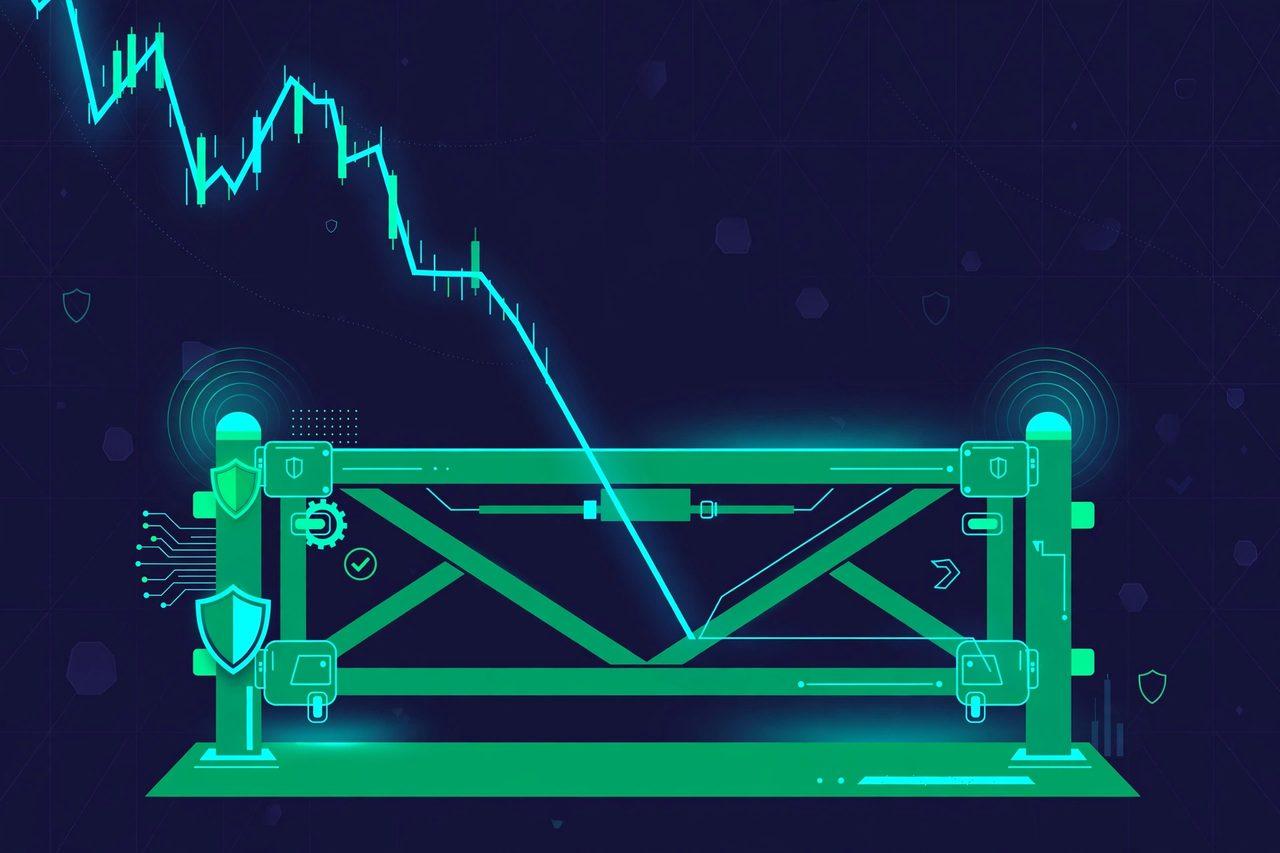 3. A safe first-month routine
A disciplined first month looks boring, and that is the point: Learn first, on a demo account. Practice on MetaTrader 4 or 5 (MT4/MT5), the most common retail platforms, until placing orders, setting stop-losses and reading a chart are automatic — with no real money at stake. Pick one pair. EUR/USD is the usual beginner choice: the most active, usually the tightest spreads, and the most news coverage. Avoid thinly traded pairs that move unpredictably. Write a plan before every trade. Entry, stop-loss, take-profit and the percentage of the account at risk — decided in advance, not improvised mid-trade. Follow the drivers. EUR/USD moves on ECB interest-rate decisions, inflation data, energy and geopolitical shocks, and US data such as jobs and inflation — the same macro calendar that moves stocks and crypto. Keep a journal. Note every trade, why you took it, and what happened. Reviewing decisions objectively, without deviation from the plan, is what separates trading from guessing. Never trade money you cannot afford to lose. Even professionals lose money sometimes; the difference is that their losses are sized, planned and survivable. The common beginner mistakes are the same every year: over-leverage, no stop-loss, chasing signals, and funding an unregulated broker because its ads were loudest. Avoid those four and a beginner has already beaten most first-year accounts — not by winning more, but by surviving long enough to learn.FAQ
Is forex trading legal in Pakistan? Not officially illegal, but not fully regulated for retail traders either: SBP does not allow individuals to trade through local brokers without authorization, so most traders use internationally regulated brokers. What is the best pair for a beginner? Usually EUR/USD — the world's most liquid pair, with tight spreads and plentiful analysis. How much should I risk per trade? A common professional rule is 1–2% of capital per trade, with a stop-loss set before entry. What is leverage? Borrowed capital that increases position size — it magnifies profits and losses equally, and can wipe an account fast. Do I need a lot of money to start? No — many brokers allow small starts, and a demo account costs nothing. Start small and learn first.Our recent gold and forex coverage is here: https://zimbuck.com/blogs/939/Gold-Bounces-to-3-946-Then-Slips-Below-3-950 — and the Zimbuck News page is here: https://zimbuck.com/pages/zimbucknews with discussion at https://zimbuck.com/groups/zimbuckmarketnews . A complete Pakistan beginner guide is here: https://www.ebc.com/forex/forex-trading-in-pakistan-complete-guide-for-beginners . This is general educational information only, not financial advice. Join Zimbuck at https://zimbuck.com to follow more forex coverage.




