

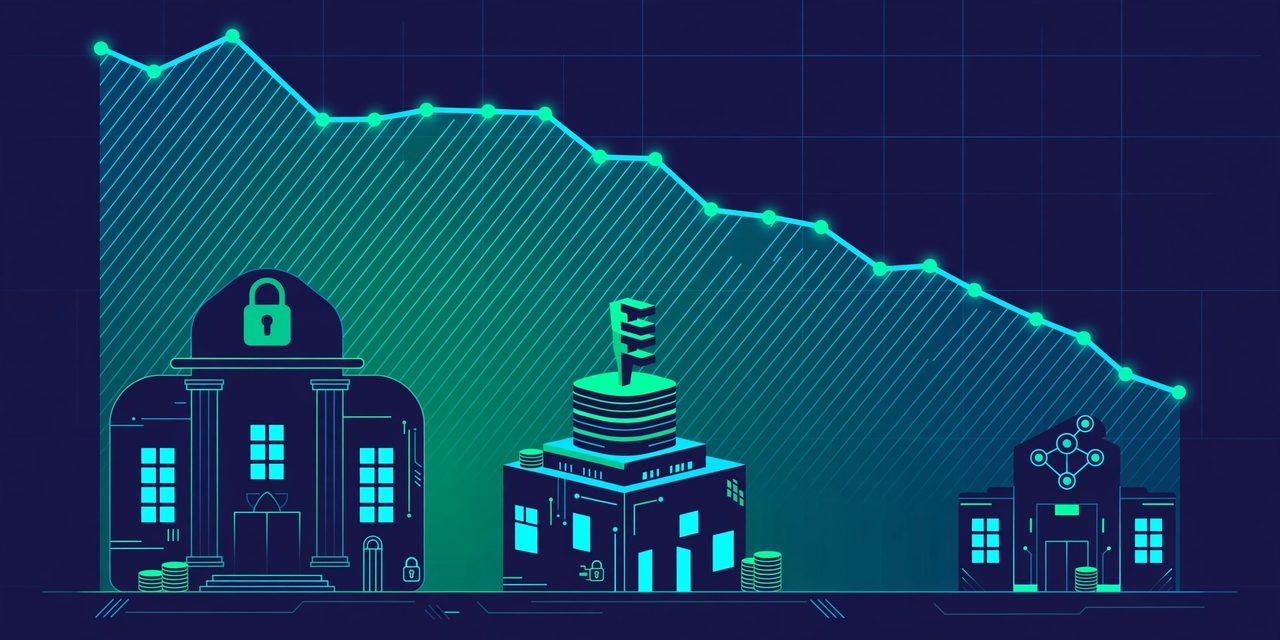
DeFi TVL Slides as Aave and Lido Lead Outflows — While Binance Restores Withdrawals in Stages

DeFi just had a week to forget: total value locked fell 4.5% in seven days to $81.55 billion, the two biggest protocols led the money out, and the stablecoin supply shrank by $3.1 billion — while, in the background, Binance began restoring withdrawals in stages after its record hack. The headline numbers from DefiLlama on November 3, 2026 tell a clear story. Total DeFi value locked (TVL) stood at $81.55 billion, down 4.5% over the past week, with $6.386 billion in 24-hour DEX volume and $293.737 billion in stablecoins across the sector. The two names at the top of the outflow list are the two names DeFi can least afford to see shrinking: Lido at $21.81 billion and Aave at $16.27 billion, both down over the week. And the stablecoin supply — the fuel DeFi runs on — fell $3.1 billion. This is not a single protocol's bad week. It is a sector-wide withdrawal, and it is happening while the industry's biggest exchange is still repairing trust after its biggest hack.

- Where the money left: Lido and Aave lead the outflows
The protocol rankings make the pattern unmistakable: Lido (liquid staking) — $21.81 billion, down 1.71% in 24 hours and 3.29% over seven days. As the largest single protocol in DeFi, a Lido outflow is a market signal, not a curiosity: it means staked-asset holders are reducing exposure, not rotating within the sector. Aave (lending) — $16.27 billion, down 1.21% in 24 hours and 6.70% over seven days, the steeper weekly fall of the two. Aave's week already included a protocol-specific shock — the suspension of Bitcoin withdrawals in a $136 million market after its Threshold liquidity dependency paused redemptions — but the TVL data shows the pressure is broader than that one market. Ethereum still dominates, but it is not immune. Ethereum's own DeFi TVL stood at $43.547 billion, down 0.51% in 24 hours, with $1.806 billion in 24-hour DEX volume and ETH itself at $2,267. Base held $5.904 billion (down 1.49% in 24 hours) and Arbitrum $1.442 billion (down 0.27%). No major chain escaped the week; the question is only how much each gave back.
2. The backdrop: a hack, a staged recovery, and a shrinking stablecoin supply
Two forces explain why the outflow week looks the way it does. The first is the Binance hack aftermath: Binance is restoring withdrawals in stages after the $6.3 billion breach, and Mercado Bitcoin has now joined Binance on the exchange-hack list — a second major exchange incident in the same news cycle, which is exactly the kind of backdrop that makes DeFi users pull funds to the sidelines rather than rotate them. The second is the $3.1 billion fall in USDT supply: when the largest stablecoin's supply contracts that fast, DeFi loses spendable liquidity directly, because stablecoins are the settlement asset for most lending, trading and yield positions. A falling TVL alongside a falling stablecoin supply is a double signal — fewer assets deposited, and less fuel for the assets that remain.

3. The exception that proves the rule: one vetted yield still pays 11%
Not everything fell. DefiLlama's daily note flags OnRe's ONyc as topping vetted stablecoin yields at 11.0% — a reminder that yield did not disappear, it concentrated. For readers, that split is the useful lesson of the week: headline yields on familiar names compressed as money left, while a vetted, narrower product still paid double digits. The gap between "the yield on the biggest protocol" and "the best vetted yield available" is where careful DeFi users earn their edge — and where careless ones get hurt, because the highest headline number on an unvetted pool is usually compensation for a risk that has not been priced yet. What to watch next: whether Aave and Lido outflows slow as Binance's staged withdrawal restoration completes, whether USDT supply stabilises or keeps contracting, and whether DEX volume — $6.386 billion in 24 hours — holds up even as TVL falls, which would suggest trading continues while parked capital leaves. If volume holds and TVL recovers, this week reads as a scare. If both keep falling, it reads as something longer.
FAQ
What is TVL? Total value locked — the dollar value of assets deposited in a protocol's smart contracts. It measures size and usage, not safety or profit. Why do Aave and Lido matter so much? Together they hold roughly $38 billion of DeFi's $81.55 billion. When the two biggest protocols shrink, the whole sector's numbers move with them. Does a falling TVL mean DeFi is failing? No — it means capital is leaving for now. TVL has fallen sharply in past scares and recovered. The trend to watch is whether outflows slow and whether trading volume holds. Why does the USDT supply matter? Stablecoins are DeFi's settlement money. A $3.1 billion supply contraction directly reduces the liquidity available for lending and trading. What does "vetted yield" mean? A yield product that has passed a screening methodology — as opposed to an unvetted headline rate, which may carry hidden smart-contract, liquidity or counterparty risk.
Our Aave Threshold-freeze coverage is here: https://zimbuck.com/blogs/931/Aave-Pauses-Its-136-Million-Bitcoin-Market-as-Threshold-Freezes — and the Zimbuck News page is here: https://zimbuck.com/pages/zimbucknews with discussion at https://zimbuck.com/groups/zimbuckmarketnews . The DefiLlama totals quoted above are here: https://defillama.com/ . This is market news and general information only, not financial advice. Join Zimbuck at https://zimbuck.com to follow more DeFi coverage.




