

Binance Had No Cyber Insurance for Its $6.3 Billion Hack — and $2.85 Billion Is Now Frozen

The largest crypto theft on record just revealed a second shock: the victim had no insurance for it. Binance, the world's biggest crypto exchange, had no cyber insurance to claim on after hackers drained about $6.3 billion from its hot wallets on October 29, 2026, according to Bloomberg Law reporting cited on November 3. The exchange is absorbing the loss itself — from its own reserves and company funds — while investigators and stablecoin issuers race to freeze what can still be stopped. About $2.85 billion of the stolen assets has now been frozen or intercepted, but the hackers still control roughly $3.28 billion, mostly in Bitcoin and Ether, according to blockchain tracing estimates.
The new details come from Binance's own incident report, published on November 3, which lays out a campaign that ran for months before the theft itself took minutes. In June, an engineer downloaded a tampered installer while setting up a popular AI coding tool. In September, a second engineer was approached on a legitimate recruitment site, put through a fake video interview by a bogus HR representative, and downloaded malware hidden in a coding "assignment" for a non-existent company. On October 20, the attackers used the compromised laptop and an internal AI tool to take over the computers of two engineers on the wallet team. On October 29, they used stolen credentials to launch a container and run a script that moved funds out of Binance's hot wallets — the internet-connected wallets that process customer withdrawals. In just four minutes, 233.46 million XRP moved from five hot wallets to an attacker-controlled address, before other cryptocurrencies including Bitcoin followed.
The Federal Bureau of Investigation has attributed the attack to TraderTraitor, a North Korean state-backed hacking group; Pyongyang denies any involvement. Binance says its security team had already detected and blocked 57 other suspected North Korea-linked threats in 2026 before this one got through, and that independent cybersecurity firms are now reviewing the incident and validating its findings. The exchange also says it is increasing investment in AI-based security and setting up a security research fund with AI companies and security firms focused on AI security in blockchain.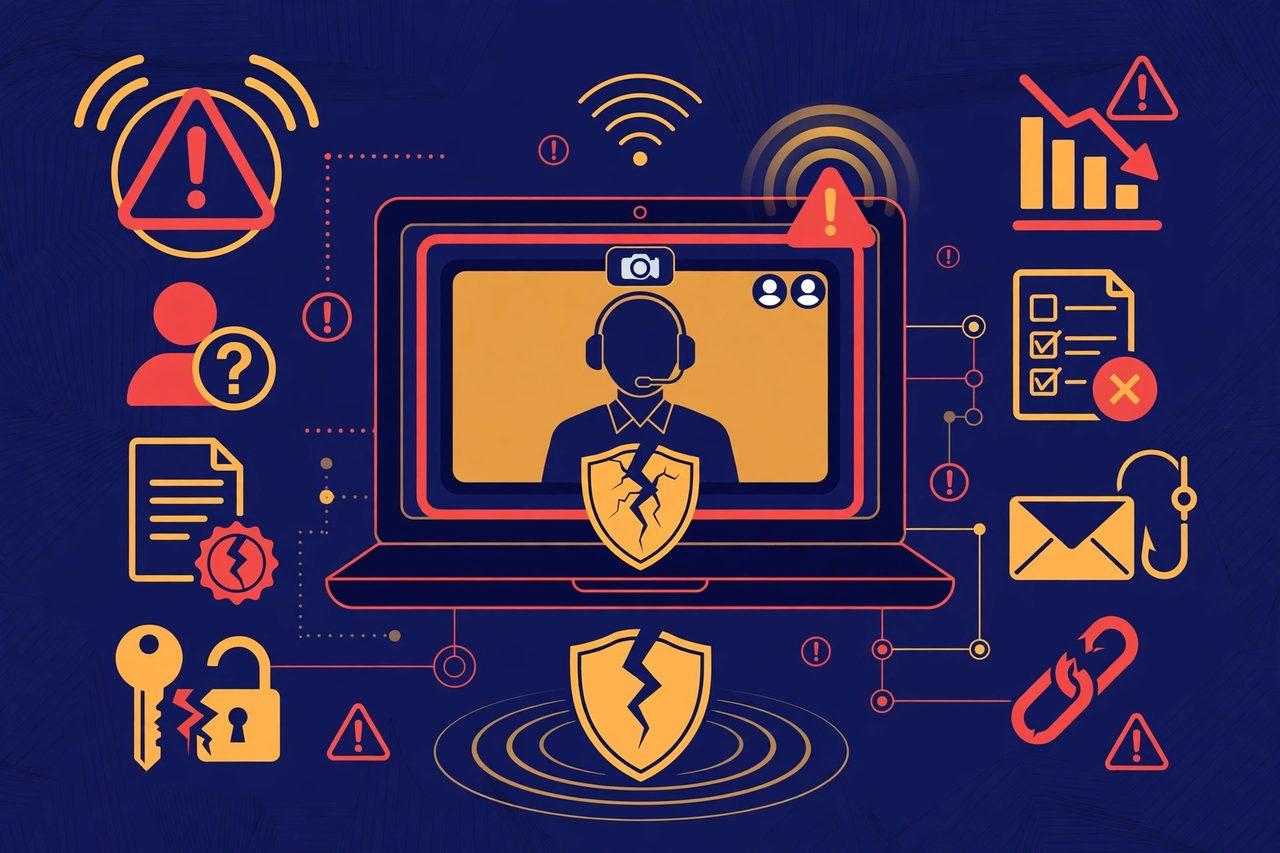
No cyber cover — and what is covering the loss instead. The insurance gap is the detail that changes how the industry will read this hack. Binance holds directors' and officers' cover for executives who may face investigations or lawsuits, but no cyber policy to absorb a theft of this size, according to the Bloomberg Law report. That leaves its Secure Asset Fund for Users (SAFU) — built from trading fees since 2018 and holding about $1 billion before the hack — plus corporate treasury and futures insurance funds to fill the gap. Binance has said it will absorb the financial impact itself, not its users, and that it has replenished about 95% of affected token assets in its first updates, rising to 98% in its November 3 incident report, while it buys the remaining tokens.
Whether that model scales is now an open question for every large exchange. A $6.3 billion loss is larger than most cyber policies would cover anyway, but having no cyber cover at all means the entire loss lands on the balance sheet in one quarter. Smaller exchanges watching this will have to decide whether self-insurance through a SAFU-style fund is credible at their size — or whether the Binance case proves that only a mix of insurance, segregated reserves and cold-wallet discipline can survive a state-backed campaign that spends five months working its way in. The original fake-job origin of this hack, linked in the References below, is where that campaign began.
$2.85 billion frozen — and the phishing wave riding the recovery. The frozen-funds figure is where the recovery stands. About $2.85 billion has been frozen or intercepted so far, mostly stablecoins whose issuers can block transfers — more than $1.1 billion in USDC and more than $1.567 billion in USDT, according to tracing cited in the November 3 updates. That is real progress, but it also shows the limit of freezing: stablecoins can be stopped, while Bitcoin and Ether cannot, which is why Elliptic estimates the hackers still control about $3.28 billion, mostly in those two assets. Binance suspended withdrawals for almost two days after the theft and reopened them in phases from November 1 — first 15 networks covering about 95% of assets, then a second phase from November 3 covering nine more networks including Binance Smart Chain, Ethereum, Solana, XRP Ledger, Sui, Arbitrum, Optimism, Tron and Base, plus all bSTOCKS tokenised stocks on BSC. Net outflows, which peaked above $6 billion on the first full day after reopening, had slowed to $2.57 billion by Monday, according to DefiLlama data cited by Cointelegraph.
The recovery itself has become a hunting ground. Binance warned on November 2 that fraudsters are impersonating its representatives and offering accelerated withdrawals, priority processing, help claiming compensation, or instructions to move assets into a purported Binance vault. Screenshots promising a fake "$150 compensation" for the withdrawal pause have circulated since reopening day — there is no such compensation, and Binance has announced no refund process requiring users to share passwords, verification codes or wallet credentials. Anyone promising to expedite a withdrawal for a fee is scamming you, the exchange said bluntly. The next dated milestone is November 4, when Binance plans to publish another reserve snapshot covering additional cryptocurrencies, beyond the October 31 snapshot whose zero-knowledge proof it completed on November 2 for ten major cryptocurrencies. That proof-of-reserves update, linked in the References below, is the check to watch.
For users, the lesson is twofold and practical. First, an exchange's size is not a guarantee: a five-month social-engineering campaign beat the security of the world's largest platform, and its insurance position meant users depended entirely on the company's own reserves. Second, the most dangerous moment is not the hack itself but the recovery — when urgency, confusion and fake "help" flood every channel. Verify every message through the official app or a bookmarked site, never through a link in a message, and treat any offer of faster withdrawals or compensation as a scam until the exchange itself confirms it in an official update. Follow crypto security coverage on the Zimbuck News page and in the Zimbuck Market News group. Join the conversation on Zimbuck to discuss whether exchanges should be required to disclose their insurance — or whether self-funded reserves are enough.
FAQ: How much was stolen? About $6.3 billion ($6.34 billion in Binance's incident report), the largest crypto theft on record, drained from hot wallets on October 29, 2026. Did Binance have cyber insurance? No — according to Bloomberg Law reporting cited November 3, Binance had no cyber insurance to claim on, though it holds directors' and officers' cover for executives. How is Binance covering the loss? From its SAFU reserve (about $1 billion before the hack), corporate treasury and futures insurance funds; it says it has replenished 95–98% of affected token assets and will absorb the impact itself, not users. How much has been frozen? About $2.85 billion frozen or intercepted, mostly stablecoins — over $1.1 billion in USDC and over $1.567 billion in USDT — while hackers still control roughly $3.28 billion, mostly BTC and ETH. How did the attackers get in? A months-long campaign: a tampered AI-tool installer in June, a fake job interview with malware in September, takeover of wallet-team computers on October 20, then a container deployment and drain on October 29. What is the fake "$150 compensation" scam? Fraudulent screenshots promising a payout for the withdrawal pause. Binance has announced no such compensation and no refund process requiring passwords or codes — treat any such offer as a scam.
This article is market news and general information only, not financial advice.




