

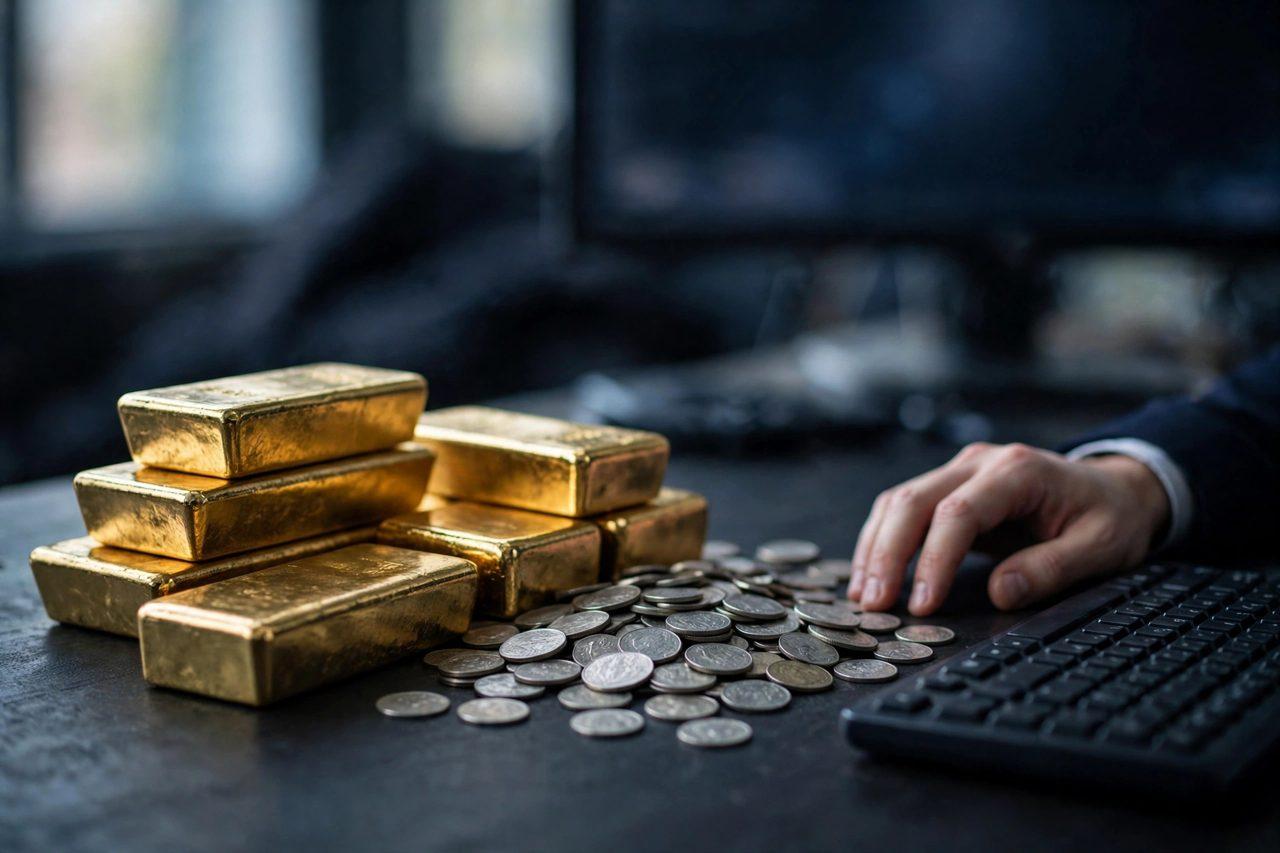
Gold Falls Below $3,800 for the First Time Since September 2025 as Silver and Oil Slide

Gold fell below $3,800 an ounce for the first time since September 2025, sliding to about $3,771 from $3,876 the previous session in a third straight day of losses. Silver fell harder, copper eased despite tight supply, and oil slipped as a large US inventory build met record American production.
The driver was the same one pressuring stocks and crypto this week: signals that the Federal Reserve is more likely to raise rates again than to cut them. A stronger dollar and higher yields leave non-yielding metals with nowhere to hide.
The metals numbers
- Gold: $3,771/oz, down from $3,876/oz the previous session — below $3,800 for the first time since September 2025
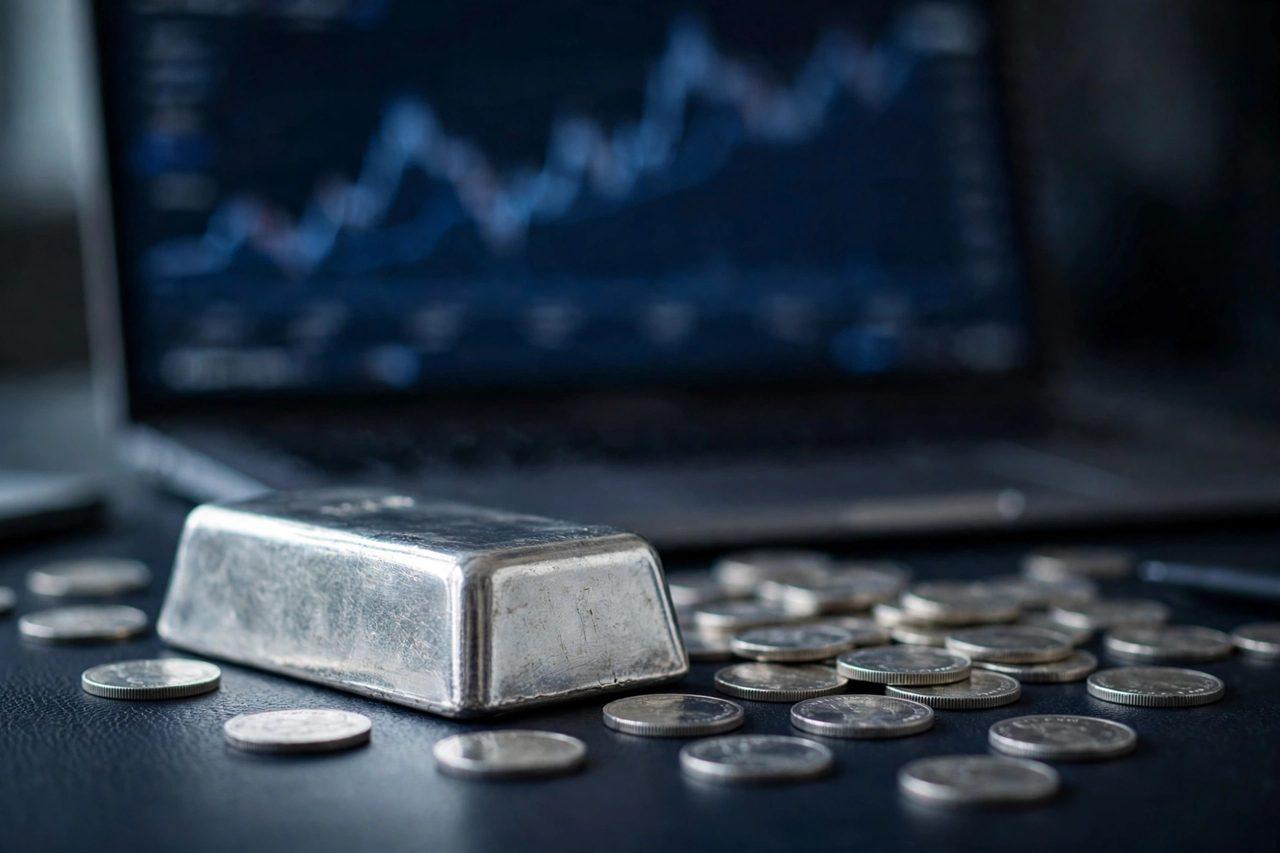
- Silver: $45.9/oz, down from $47.5/oz
- Copper: $12,848/t, lower on the day despite lower Chilean output and a tight technical market
- Silver ETF holdings: broadly flat at about 814.5 million ounces
Daily commodity moves like these are tracked on the Zimbuck News page alongside the equity and crypto reaction.
Oil: a big build and a production record
Crude traded near $91.6 a barrel, little changed from $91.7, but the details underneath were bearish. Industry estimates pointed to a weekly US crude inventory build of about 5.3 million barrels, against expectations of a small draw, with gasoline stocks up about 5.1 million barrels and distillates up about 0.4 million barrels.
US domestic crude production, meanwhile, reached a new record high of 14.013 million barrels a day. Record supply meeting a surprise stock build is a difficult combination for oil bulls, and it helps explain why crude has not joined the safe-haven bid even as other markets fall.
Why the Fed matters more than fear right now
In a normal risk-off week, gold would be the hiding place. This week it is not, because the sell-off itself is being driven by the interest-rate outlook. When traders price in another hike, real yields rise — and gold, which pays no yield, becomes more expensive to hold by comparison.
Silver's larger fall fits its dual nature: part safe haven, part industrial metal. When growth worries join rate worries, silver usually gives back more than gold, and the move from $47.5 to $45.9 in a session shows exactly that.
Traders are debating whether $3,800 now becomes resistance in the Zimbuck Market News group.
How this connects to the wider market
The metals slide is one leg of a single story: Bitcoin below $65,000, equities under their long-term averages, and a dollar at fresh yearly highs. For the crypto side of that picture, read our report on the $976 million liquidation wave led by Ethereum and XRP. For how silver behaves differently from gold over time, see our silver trading explainer.
What to watch next
The official US petroleum status report will confirm or correct the industry inventory estimates. For metals, the next test is whether gold can reclaim $3,800, and whether silver stabilises above $45. The December Fed decision remains the single biggest driver for both.
FAQ
Why did gold fall below $3,800?
Signals of further Federal Reserve rate hikes lifted the dollar and real yields, which pressures non-yielding assets such as gold. It was gold's third straight day of losses.
Why did silver fall more than gold?
Silver is both a precious and an industrial metal, so growth worries add to rate worries. It fell from about $47.5 to about $45.9 an ounce.
What happened in oil?
Crude held near $91.6 a barrel, but estimated US inventories built by about 5.3 million barrels while US production hit a record 14.013 million barrels a day.
This article is market news and general information only, not financial advice. Join the conversation on Zimbuck — the finance social platform for traders and investors.






