


How Crypto Cards Work — and What to Do When an Exchange Card Shuts Down

How Crypto Cards Work — and What to Do When an Exchange Card Shuts Down
A crypto card can stop working overnight even when your exchange account is fine — and the shutdown of a major exchange's Visa-linked card this week shows exactly how it happens. The card in question launched on 31 August, let customers spend USDT through normal payment networks, and was discontinued on 18 November at 15:30 UTC, less than three months later. If you hold any exchange-issued card, this guide explains how these cards actually work, why they can disappear so quickly, and the exact steps to protect your money when one closes.
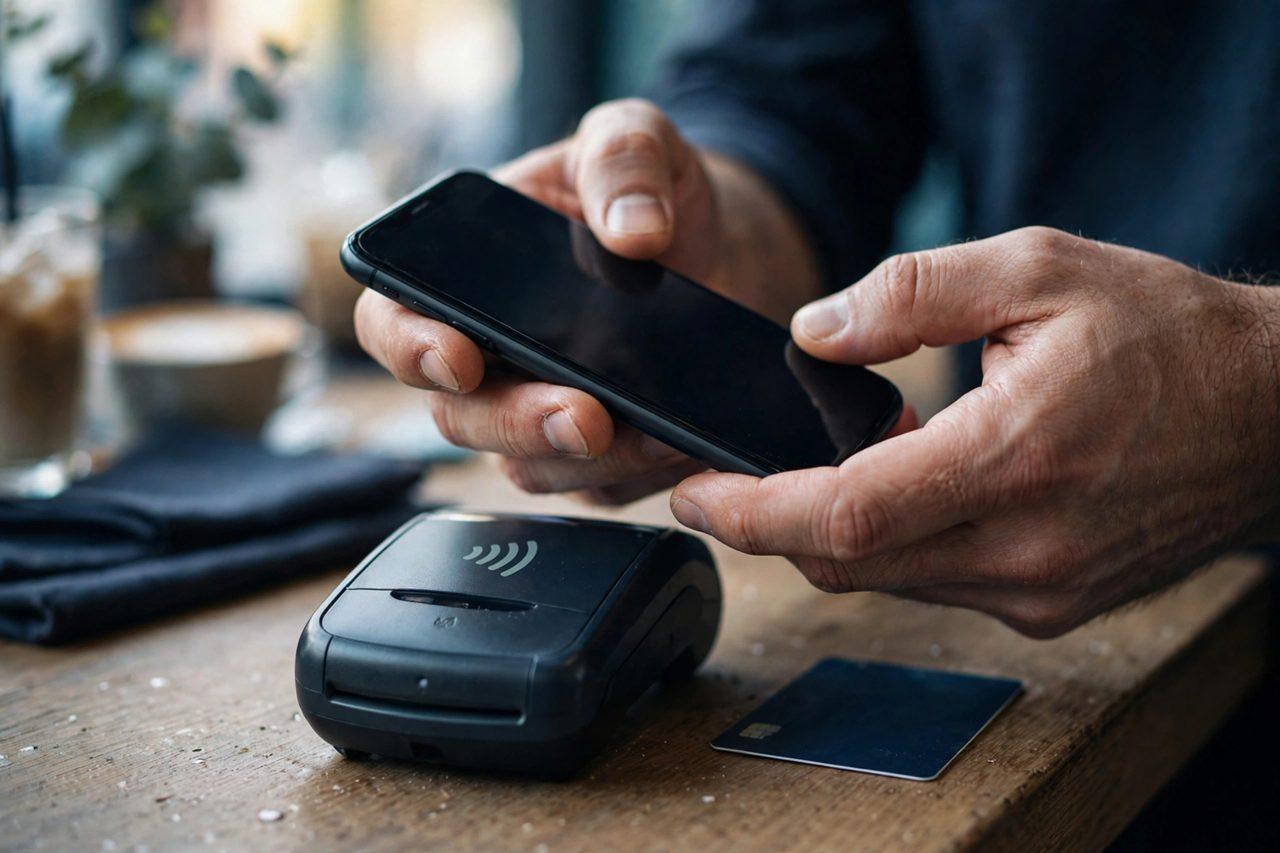
How a crypto card actually works
A crypto debit or prepaid card is not spending crypto at the till. Behind the scenes, four parties are involved:
- You hold a balance, usually in a stablecoin such as USDT, inside the exchange app.
- The exchange holds your crypto and instructs the sale when you pay.
- A third-party card issuer — a licensed payments company — actually issues the card, converts your balance into local currency and settles with the shop.
- The card network (Visa or Mastercard) carries the transaction, which is why these cards also work with Apple Pay and Google Pay.
The important detail is the third party. The exchange does not issue the card itself, which means the card lives or dies by a contract the customer never sees. When that issuer changes its terms, loses its own banking partner or decides a market is too risky, the exchange may have no choice but to switch the card off — sometimes with only days of notice.
What happened in this week's shutdown
The timeline is a textbook example. The virtual card launched on 31 August and let eligible customers spend USDT anywhere Visa is accepted. On 14 November, all card payments and deposits were paused for what was described as maintenance. On 18 November at 15:30 UTC, the pause became permanent: existing cards stopped working for transactions and new applications were suspended. The exchange blamed service adjustments by its third-party card issuer and did not name the issuer. A regional sister card had already been discontinued on 11 November over comparable issuer problems.
For cardholders, the money side was handled in an orderly way, and this is the pattern to look for in any shutdown:
- Users were told to move card balances back into their exchange accounts before the cutoff.
- A final balance snapshot is scheduled for 21 November at 15:30 UTC so pending transactions can settle.
- Any balance still on a card after that snapshot is credited automatically to the user's Spot account.

Why cards get shut down
Issuer changes are the stated reason in most cases, but the wider context matters. This shutdown landed less than two weeks after United States authorities issued an order restricting the exchange's access to the American financial system, with the restrictions due to take effect on 10 December. The exchange has not linked the two events, and its chief executive has said the company has established contact with the authorities. The lesson for users is not about one exchange: card programmes sit on top of banking and issuer relationships that can shift fast when regulators move, and the card is usually the first product to feel it.
What to do when your exchange card closes
- Move the balance yourself first. Do not rely only on the automatic settlement — transfer funds to your main account before the cutoff so you control the timing.
- Note the snapshot date. Pending purchases settle against it; keep receipts for anything bought in the final days.
- Remove the card from Apple Pay, Google Pay and subscriptions so renewals do not fail silently or charge a dead card.
- Download your card statements while the card page is still available — you may need them for tax records.
- Never keep spending money on a card. Treat any exchange card as a payment rail, not a wallet: keep the bulk of your funds in your own wallet or spread across accounts.
Frequently asked questions
Is my crypto lost if an exchange card shuts down?
No — the card is only a spending layer. In this case remaining balances are credited to users' Spot accounts automatically after the 21 November snapshot. Your exchange account balance is separate from the card.
Why did the card stop before the announced time for some users?
Payments were already paused from 14 November for maintenance, so many users felt the shutdown four days before the formal discontinuation.
Can the exchange just launch another card?
Only with a new issuer willing to run the programme. Until an issuer is signed and announced, treat the product as closed.
Are crypto cards safe to use at all?
They are convenient for spending stablecoins, but they add two layers of counterparty risk — the exchange and the issuer. Use them for spending, not for storing.
For more market coverage, visit the Zimbuck News page and join the discussion in the Zimbuck Market News group. If you are comparing ways to spend and move stablecoins, read our earlier article on DBS and Circle bringing 24/7 USDC settlement to Asia. New here? Join Zimbuck and follow the markets with other traders.
This article is market news and general information only, not financial advice.






