Ledger Wallet Tampering Fears Reach Dubai as Two Users Report $604,000 in Crypto Losses

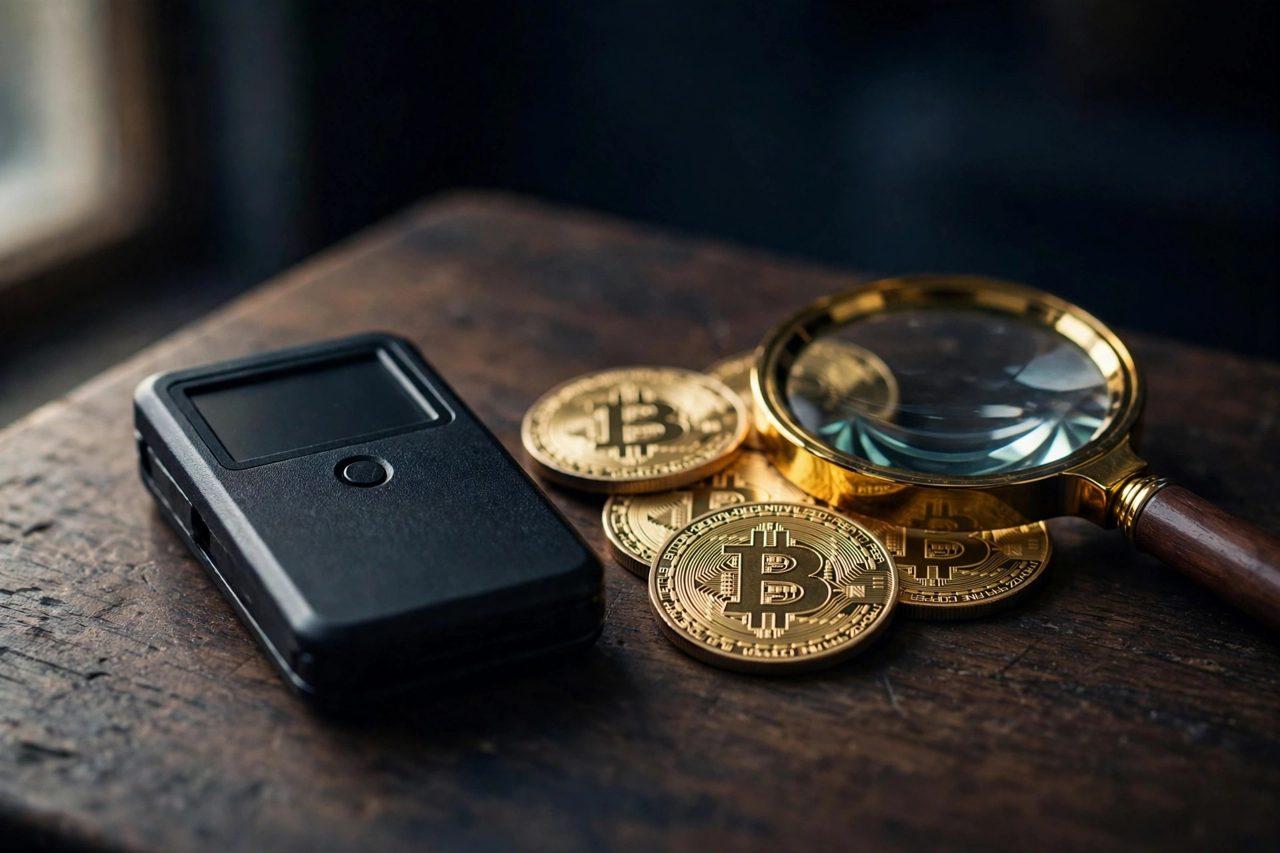
Two hardware wallet owners in Dubai have lost around $604,000 in cryptocurrency combined, after devices bought from an authorised retailer appear to have been opened and fitted with extra components before they reached their owners. The cases, reported in mid-November, are a stark reminder that even the most trusted name in cold storage is only as safe as the supply chain that delivers it.
Hardware wallets are supposed to be the safest way to hold crypto. The private keys never leave the device, the recovery phrase is generated on the device itself, and the whole point of buying a sealed unit from an authorised shop is that you can trust what is inside the box. These two cases challenge that assumption in the most direct way possible — and they are not isolated.
The first case: a device that had been opened before it was sold
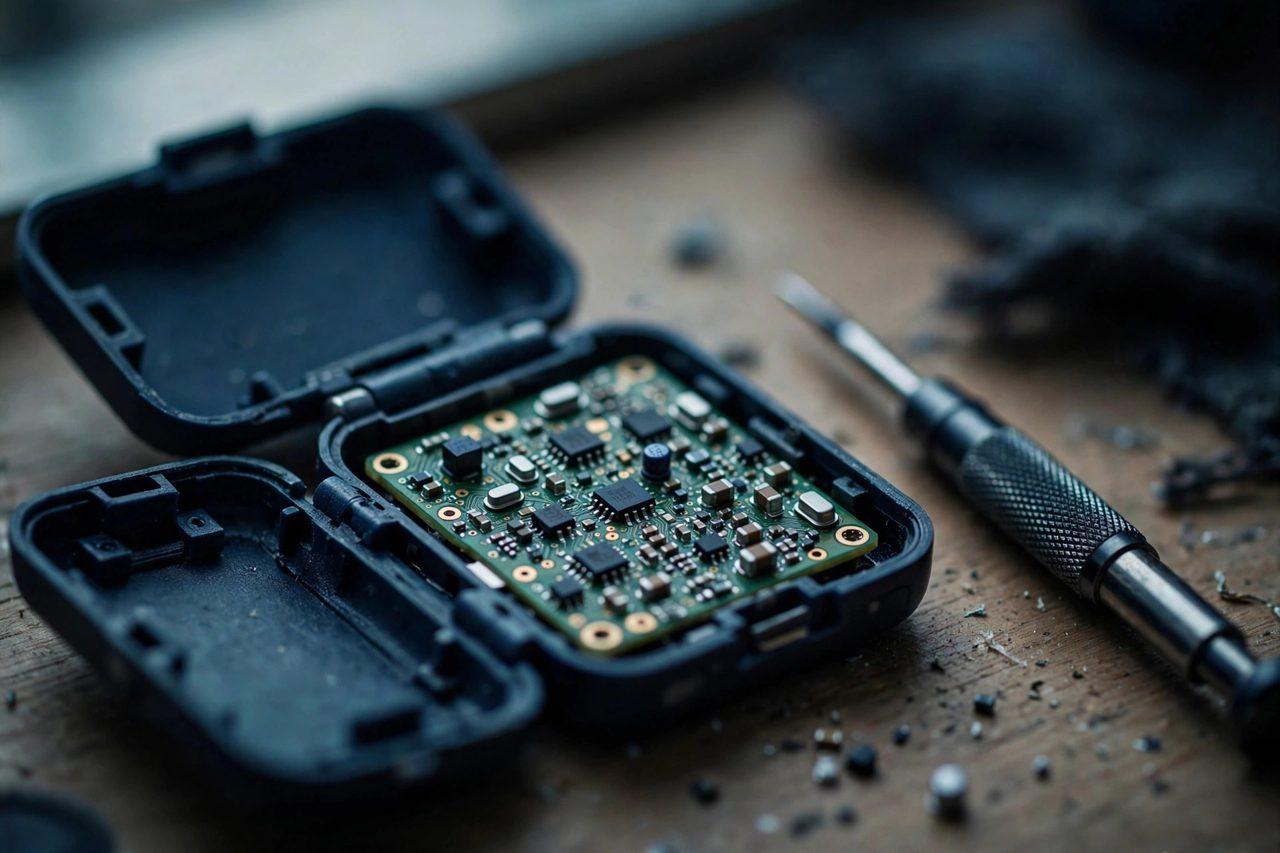
The first loss was reported on 15 November, when an owner discovered that around 1,300 SOL had been drained from a Ledger Flex. When the owner opened the back cover of the device, the reason was visible to the naked eye: an extra circuit board and a small antenna had been fitted inside, alongside the wallet's own hardware. Photographs shared by the owner showed the antenna marked V1.3.
That version number matters. Earlier implants found in modified wallets were marked V1.2, which suggests the people behind this operation have already iterated on their design. A more refined implant is likely to be smaller, harder to spot and more reliable at doing its job — which, in these cases, appears to be capturing the recovery phrase as the owner sets the device up, and then transmitting it out of the device over a cellular connection.
The second case: $507,000 USDT gone from a brand-new Ledger Stax
The second case is, in some ways, more worrying still. A Ledger Stax bought new on 11 October from the same retailer — Virgin Megastore in Dubai — was drained of 507,000 USDT on 14 November. The owner says the recovery phrase was generated on the device and was never entered anywhere else, and has filed a police complaint and asked the stablecoin issuer to freeze the funds.
No internal photographs have been published in this second case, so an implant has not been confirmed in the same way. But the timing is striking: the device was bought just two days after the manufacturer publicly disclosed an investigation into a reseller in Southeast Asia whose devices had been tampered with. Buying new, from an authorised retailer, after a public warning, was still not enough.
Why the built-in safety check cannot catch this
Many wallet owners will ask the obvious question: does the device not check itself? Ledger devices run a Genuine Check that confirms the device is authentic. That check does what it says — it verifies that the security chip and operating system are genuine. What it cannot do is verify the physical history of the device: whether it was opened in a warehouse, fitted with an extra board, and then resealed and returned to a shelf.
That is the gap these attackers are exploiting. The implant does not need to modify the original security chip or the operating system, so the device can pass its own authenticity check while still carrying a second, unauthorised piece of hardware. During setup, the implant can capture the recovery words as they are displayed, and then send them on by cellular signal — no computer, no cable and no suspicious software required.
A pattern wider than one brand
The Dubai cases sit inside a wider pattern that has been building for weeks:
• On 28 October, police in Singapore confirmed that two customers had lost a combined S$3.5 million from modified wallets bought through a reseller.
• A European retailer suspended sales after an implant was reported in a device sold in Germany, although no losses were reported in that case.
• Trezor found unauthorised components in three of its Safe 5 devices bought from the same reseller between August and September, and cut its reseller network by around 80%. The owners of those three devices reported no losses.
The pattern is consistent: criminals acquire genuine devices, install unauthorised components, and return them to distribution. The manufacturer's response on 15 October described it in exactly those terms — a localised distribution attack — and told retailers to store devices away from open shelves and never to resell returned units.
What wallet owners should do now
If you already own a hardware wallet, the advice is straightforward. Buy only from the manufacturer or a retailer you trust, and treat any device with damaged, loose or re-glued packaging as suspect. Before you set a device up, look at it closely — a genuine unit should have no extra boards, antennas or loose components inside, and nothing rattling. Set the device up yourself, write the recovery phrase down on paper, and never type it into a website, an app or a chat message. If anything about a new device feels wrong, stop, photograph it and contact the manufacturer before you move any funds to it.
And if you are buying for the first time, remember that the cheapest or most convenient seller is not always the safest one. A hardware wallet is only worth what the chain of custody behind it is worth.
This is a developing story, and the details matter — which is why wallet security is something we keep returning to on Zimbuck. We recently covered another case in which crypto wallet addresses were swapped on 178 websites, including Ledger's own site: https://zimbuck.com/blogs/4728/Optimizely-Hack-Swapped-Crypto-Wallet-Addresses-on-178-Websites-Including — a reminder that attacks on wallet users come from more than one direction at once.
For the latest market news and community discussion, follow the Zimbuck Page at https://zimbuck.com/pages/zimbuck and join the conversation in the Crypto & Stocks Discussion group at https://zimbuck.com/groups/cryptostocksdiscussion — your market, your community.
Frequently asked questions
How did the Dubai wallet owners lose their crypto? Two owners lost around $604,000 combined from Ledger devices bought at Virgin Megastore Dubai. In the first case, about 1,300 SOL was drained from a Ledger Flex that was found to contain an extra circuit board and antenna. In the second, 507,000 USDT was stolen from a Ledger Stax bought new on 11 October.
What is the V1.3 antenna found inside the device? Photographs of the first device showed an extra circuit board and an antenna marked V1.3 inside the back cover. Earlier implants were marked V1.2, suggesting the design has been revised. The implant is believed to capture the recovery phrase during setup and transmit it over a cellular connection.
Why did the device's Genuine Check not detect the tampering? The Genuine Check confirms that the security chip and operating system are authentic, but it cannot verify the device's physical supply-chain history. Because the implant does not modify the original chip or software, the device can pass the check while still carrying unauthorised hardware.
What should I do if I bought a hardware wallet from a retailer? Inspect the packaging and the device itself before setup, set it up yourself, and never enter your recovery phrase anywhere except on the device. If anything looks tampered with, do not use the device — photograph it and contact the manufacturer.
This article is market news and general information only, not financial advice. Join the conversation on Zimbuck — your market, your community. https://zimbuck.com