Singapore Issues $77.5 Million in Tokenized Bills Settled With Wholesale CBDC

Singapore has put real central bank money on a ledger. The city-state's central bank has issued S$100 million ($77.5 million) in tokenized bills and settled them with wholesale central bank digital currency, in a trial that drew more than twice as much demand as there were bills to sell.
The headline numbers
- Issuance: S$100 million ($77.5 million) in tokenized central bank bills
- Demand: applications exceeded S$200 million — more than 2x the amount on offer
- Term: four-week bills, issued on 6 November, maturing on 4 December
- Participants: five primary dealers — DBS, HSBC Singapore, OCBC, Standard Chartered Singapore and UOB.
Bills that live only on the ledger
These were not ordinary bills later wrapped into tokens. The securities were created directly on the central bank's distributed ledger network, and ownership exists only there. Banks paid with digital Singapore dollars issued by the central bank itself, so the cash leg and the securities leg moved on the same system at the same time. That design removes a layer of old plumbing. In the conventional process, settlement runs through a separate payments system and holdings sit as book entries with custodians, which means records in different places have to be reconciled afterwards. When the bill and the money share one ledger, there is one record and nothing to reconcile.
Why a central bank bill matters
Central bank bills are short-term debt a central bank sells to manage liquidity in the banking system. They are sold at a discount and repay face value at maturity instead of paying interest along the way. They are about as plain and low-risk as an instrument gets — which is exactly why they make a good test asset. If tokenization works smoothly for the most boring security in the market, the same rails can carry more complex ones.
From test network to settlement utility
The issuance builds on an earlier trial in which DBS, OCBC and UOB settled overnight interbank lending with wholesale digital Singapore dollars, with the transactions landing in the banks' official accounting records. The network is now being repositioned under a new name, the SG Digital Ledger, and developed into a standing settlement utility for financial institutions rather than a one-off experiment. The plan for 2027 is to issue more tokenized bills, bring in additional institutions, and widen the use of the bills as collateral. The national exchange is also exploring how tokenized bills could be used in collateral management inside its existing clearing and settlement operations, and a new framework published alongside the issuance sets out how institutions should decide which tokenized assets qualify as collateral and how custody, valuation and enforcement should work.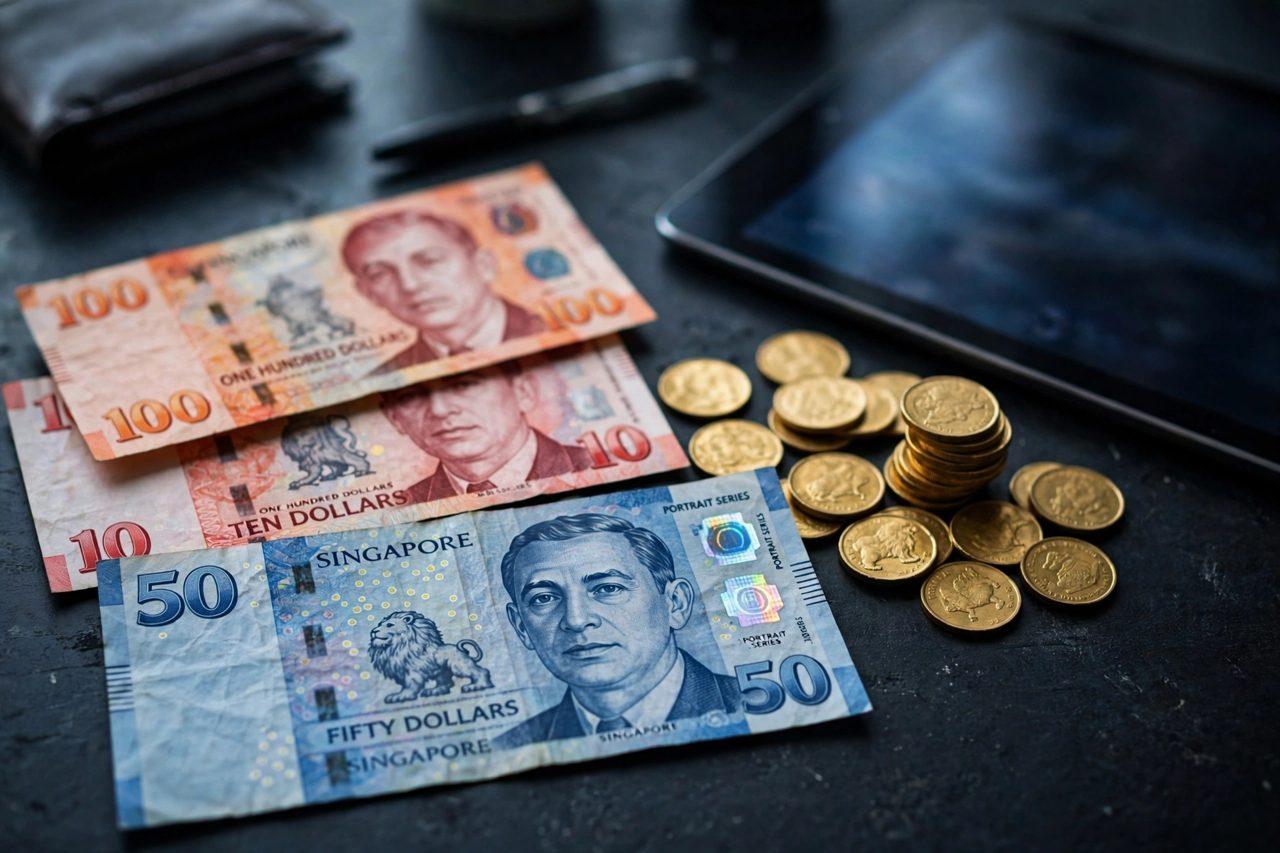
What to watch next
Three things will decide whether this stays a showcase or becomes infrastructure. First, whether issuance volumes grow beyond trial size in 2027. Second, whether bills start being pledged as collateral at scale, which is where tokenized settlement saves real time and cost. Third, whether foreign government securities and money market funds join the pool of tokenized collateral, as officials have suggested they could. For traders, the takeaway is simpler: tokenization is no longer only a crypto story. A central bank has now issued its own short-term debt natively on a ledger and settled it with its own digital currency, with five major banks on the other side of the trade. Follow developments like this on the Zimbuck News page (https://zimbuck.com/pages/zimbucknews) and discuss them in the Zimbuck Market News group (https://zimbuck.com/groups/zimbuckmarketnews). For a related read, see our coverage of Ondo Finance joining Singapore's Project Guardian (https://zimbuck.com/blogs/5457/Ondo-Finance-Joins-Singapore-s-Project-Guardian-as-Blockchain-Tokenisation).
FAQ
What is a wholesale CBDC? A digital currency issued by a central bank for use between financial institutions, not by the general public. Here it was the cash used to pay for the bills.
Were the bills real or simulated? Real. The bills were issued on 6 November, carry a 4 December maturity, and the earlier lending trial using the same money was recorded in banks' official accounts.
Why did demand exceed supply? Applications topped S$200 million for S$100 million of bills — a sign the five dealers wanted exposure to the new format, and that short-term central bank paper is always in demand.
Does this replace Singapore's normal bill system? Not yet. Officials describe tokenized bills as a complement to conventional bills, with volumes set to grow through 2027.
This article is market news and general information only, not financial advice. Join the discussion at https://zimbuck.com.