Brent Holds the $91 Area as WTI Trades Near $82 — Oil Steadies While Gold and Stocks Slide

Gold fell to a 14-month low this week. Stocks fell with it. Bitcoin dropped below $60,000. And yet, through all of it, oil barely blinked. Brent crude held the $91 area and WTI stayed near $82 — a quiet pocket of steadiness on a Friday when almost everything else was selling off.
That contrast is the story of the week in commodities. The same forces that hammered precious metals — a strong dollar, expectations of higher interest rates for longer, and a rush to raise cash — barely dented crude. Here is what the numbers say, why oil held up, and what to watch next.
The numbers
Friday's moves, in one place:
- Brent crude fell 0.7% to $91.37, while WTI traded near $82.11, down 0.4%
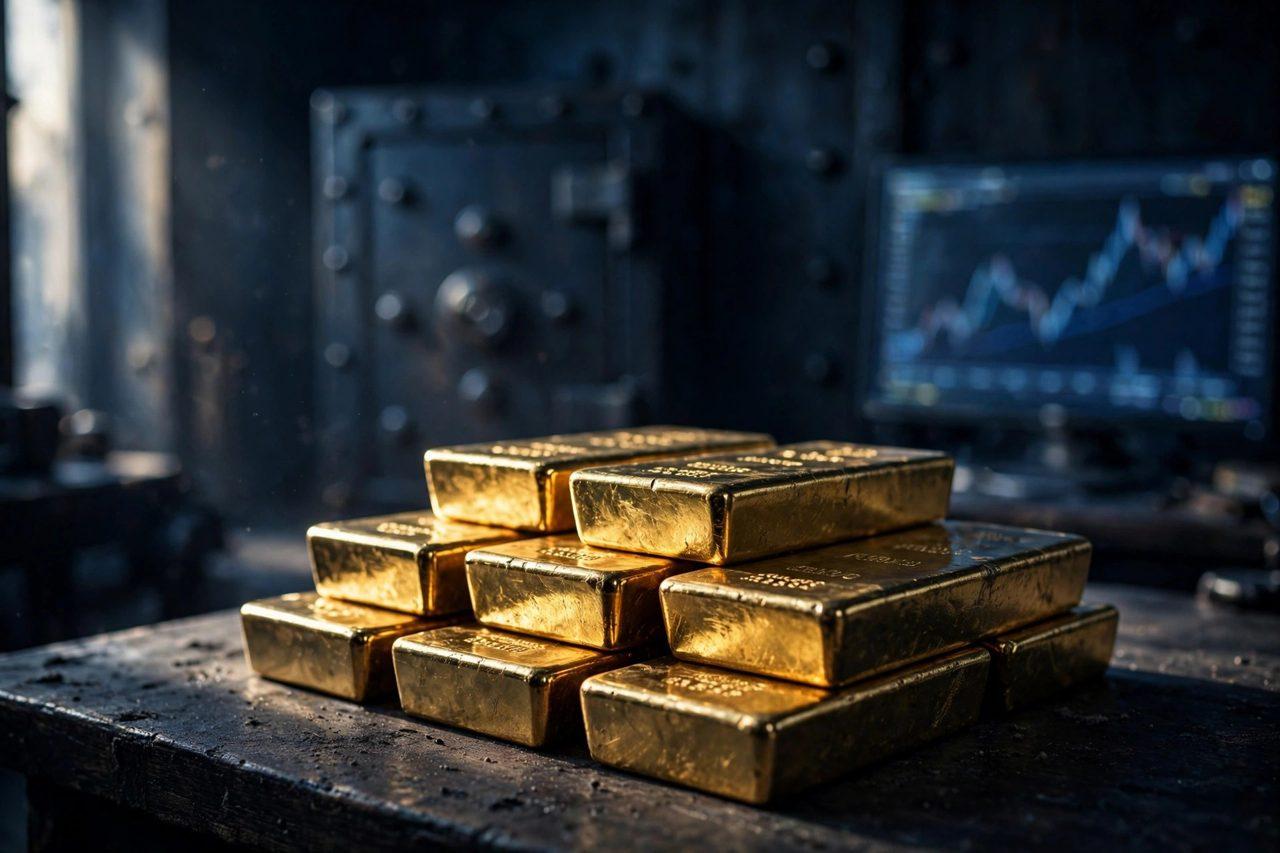
- Spot gold fell 1.9% to $3,551.68, its lowest in about 14 months and below $3,600, leaving it about 8.9% lower on the week
- December gold futures fell 3.9% to $3,542.80
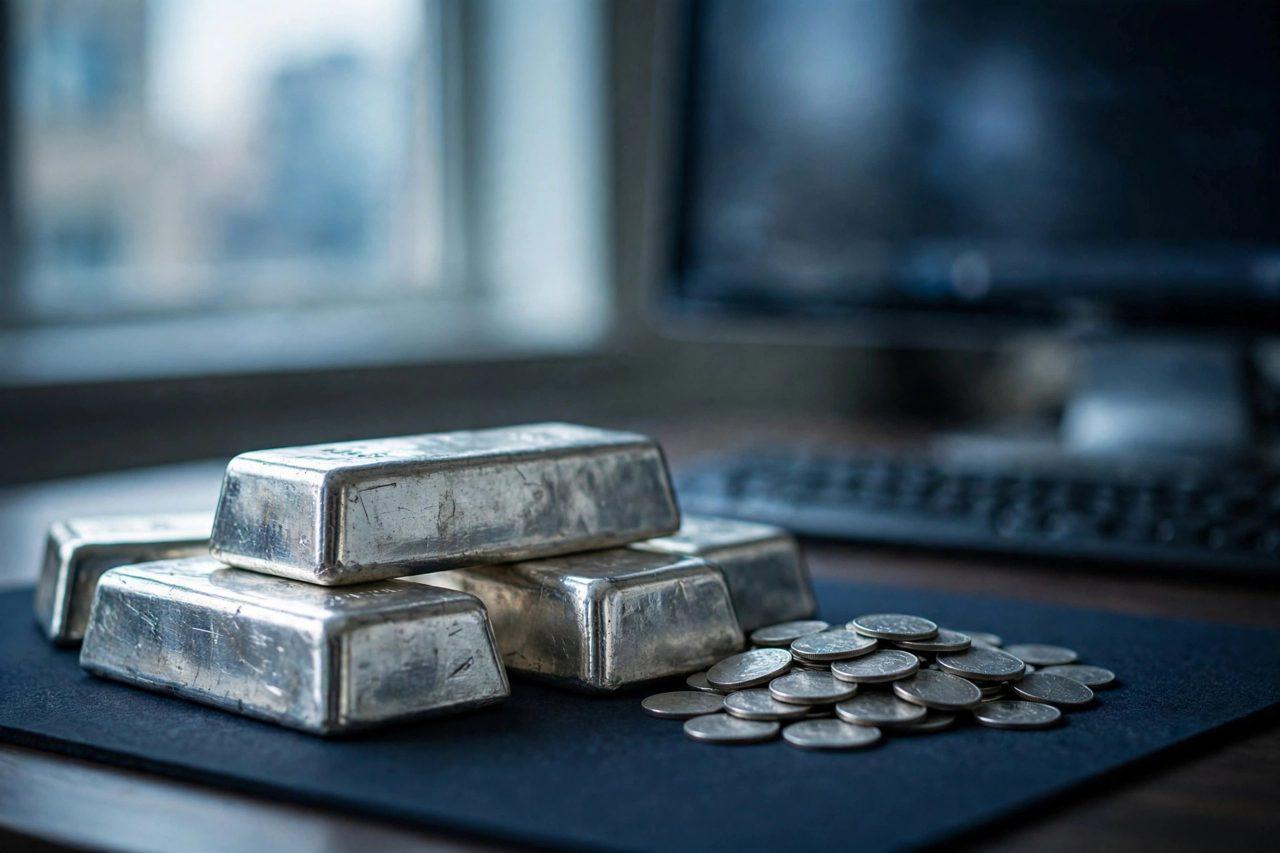
- Silver fell 2.1% to about $41.84, with the commodities roundup quoting $41.90
- Platinum traded near $1,317 and palladium near $888.66
- Copper December futures fell 2.4% to $5.496 a pound
- European natural gas rose 4.4% to €88.19 per megawatt-hour
The gold-to-silver ratio sat at 85.58, about 25% above its roughly 30-year average — a reminder that silver has lagged gold badly over the long run, even as both fell this week.
Why oil held up while gold fell
Oil's steadiness has a straightforward explanation: the balance of risks around crude is different. The supply outlook has been improving, which would normally weigh on prices, but risk around the Strait of Hormuz keeps a floor under them. Traders are weighing better supply against the chance of disruption — and for now, that tension has left Brent parked near $91 and WTI near $82.
Gold faced a different set of pressures. The metal was hit by the broader commodity sell-off, by expectations of higher global interest rates, and by a strong dollar. There was also a practical factor: in an equity rout, investors sell what they can to raise cash, and gold — liquid and widely held — is often the first thing sold. That is how a supposed safe haven ends up falling on the same day as the assets it is meant to insure against.
The Federal Reserve's minutes from its October 27–28 meeting, released on November 18, pointed to the possibility of further tightening. That reinforced the higher-for-longer view, lifted the dollar, and added to the pressure on gold. Physical flows did not help either: Swiss customs data showed October gold exports of about 109.7 tonnes, down 34% from September.
Gold's safe-haven failure
The most striking part of the week is that gold fell with risk assets rather than against them. The classic story says gold rises when stocks fall. This week it did the opposite, dropping nearly 9% on the week while equities were also under pressure. When everything sells at once, the usual refuges stop behaving like refuges.
That does not mean gold has stopped being a store of value. It means that in a forced-selling environment, the first assets to be sold are the ones that can be sold quickly and at scale. Gold is one of the most liquid markets in the world, and on a week like this one, that liquidity worked against it.

Silver, platinum and the ratio at 85.58
Silver fell further than gold in percentage terms, down 2.1% to about $41.84, and the gold-to-silver ratio held at 85.58. That ratio tells you how many ounces of silver it takes to buy one ounce of gold, and at 85.58 it is about 25% above its roughly 30-year average. In plain terms, silver is cheap relative to gold by historical standards — and it stayed cheap even as both metals fell.
Platinum, near $1,317, and palladium, near $888.66, were pulled down in the same broad sell-off. Neither metal had a story of its own strong enough to stand apart from the wider move. Copper told a similar tale: December futures fell 2.4% to $5.496 a pound, a classic growth-sensitive move on a day when growth worries were rising.
What to watch next
Three things matter from here. First, the dollar and bond yields: if the higher-for-longer view keeps strengthening, gold will keep struggling. The $3,500 area is the next level traders are watching — a break below it would put the metal's longer-term uptrend under real pressure.
Second, the Strait of Hormuz and the supply picture. Oil's floor depends on that balance holding. Any easing of the risk premium, or a clearer improvement in supply, could see Brent test lower. Any escalation would do the opposite.
Third, whether the forced selling stops. If equity markets stabilise, the cash-raising pressure on gold eases and the metal can start trading on its own merits again. Until then, the lesson of the week stands: when everything sells at once, even the safe havens fall — and the assets that hold up are the ones with a story of their own.
Frequently asked questions
Why did oil hold up when gold fell?
Brent and WTI are being supported by risk around the Strait of Hormuz, which offsets an improving supply outlook. Gold, by contrast, was hit by a strong dollar, expectations of higher rates, and selling to raise cash during the equity rout.
Is gold still a safe haven?
Over the long run, gold has held value through crises. This week it fell with risk assets because investors sold liquid holdings to raise cash. One bad week does not erase that history, but it is a reminder that safe havens are not guaranteed to work on every single day.
What does a gold-to-silver ratio of 85.58 mean?
It takes 85.58 ounces of silver to buy one ounce of gold. That is about 25% above the roughly 30-year average, so silver is cheap relative to gold by historical standards.
For more market coverage, visit the Zimbuck News page and join the discussion in the Zimbuck Market News group. For background on what drives crude, read What Moves Oil Prices? How Supply, Demand and Inventories Set the Price.
Join Zimbuck — the finance social platform for traders and investors.
This article is for information only and is not financial advice.