What Are Soulbound Tokens? Non-Transferable NFTs and On-Chain Identity, Explained

Most NFTs are made to be bought and sold. Soulbound tokens are the deliberate exception: an NFT that cannot be transferred to anyone else once it has been issued to you. It stays in your wallet like a qualification on a wall, a badge on a uniform or a stamp in a passport — proof of something about you, rather than something you own to trade. This guide explains what soulbound tokens are, how they work, and where non-transferable tokens are already being used for identity, credentials and gaming. NFT and gaming coverage runs daily on the Zimbuck News page at https://zimbuck.com/pages/zimbucknews .
What a soulbound token actually is
A soulbound token is a non-transferable NFT: a token whose smart contract blocks it from being sent to another wallet, or allows transfers only back to the issuer. The name comes from gaming, where "soulbound" items are bound to a character and cannot be traded to other players. Applied to blockchains, the idea turns an NFT from a tradable asset into a permanent record attached to a person or an account. The token still lives on-chain, can be read by any app, and can carry metadata — what changes is that the market is removed from the equation.
How they differ from ordinary NFTs
An ordinary NFT is valuable partly because it can be sold: its price is set by what someone else will pay for it. A soulbound token has no market price, because it cannot change hands at all. That changes the incentives around it completely. Nobody buys a soulbound token to flip it, nobody can steal one by tricking you into a transfer, and a collection of them cannot be faked by buying the right items — they have to be earned or issued. Where a normal NFT says "this wallet owns this thing", a soulbound token says "this wallet did this, passed that, or belongs to this group".
Where soulbound tokens are used
The most natural use is credentials: a university can issue a soulbound token as a degree, a course provider as a certificate, and an employer as proof of a completed check. Because the token cannot be transferred, it cannot be sold to someone who never did the work. The same logic applies to reputation in games — achievements, ranks and rare quest completions that stay with the player who earned them — and to membership, where a token proves belonging to a community without becoming a tradeable pass. Members discuss these uses together in the Zimbuck Market News group at https://zimbuck.com/groups/zimbuckmarketnews .
Soulbound tokens also sit at the heart of blockchain gaming, and our explainer on GameFi at https://zimbuck.com/blogs/4916/What-Is-GameFi-How-Blockchain-Games-Tokens-and-NFTs-Work shows how blockchain games, tokens and NFTs work together.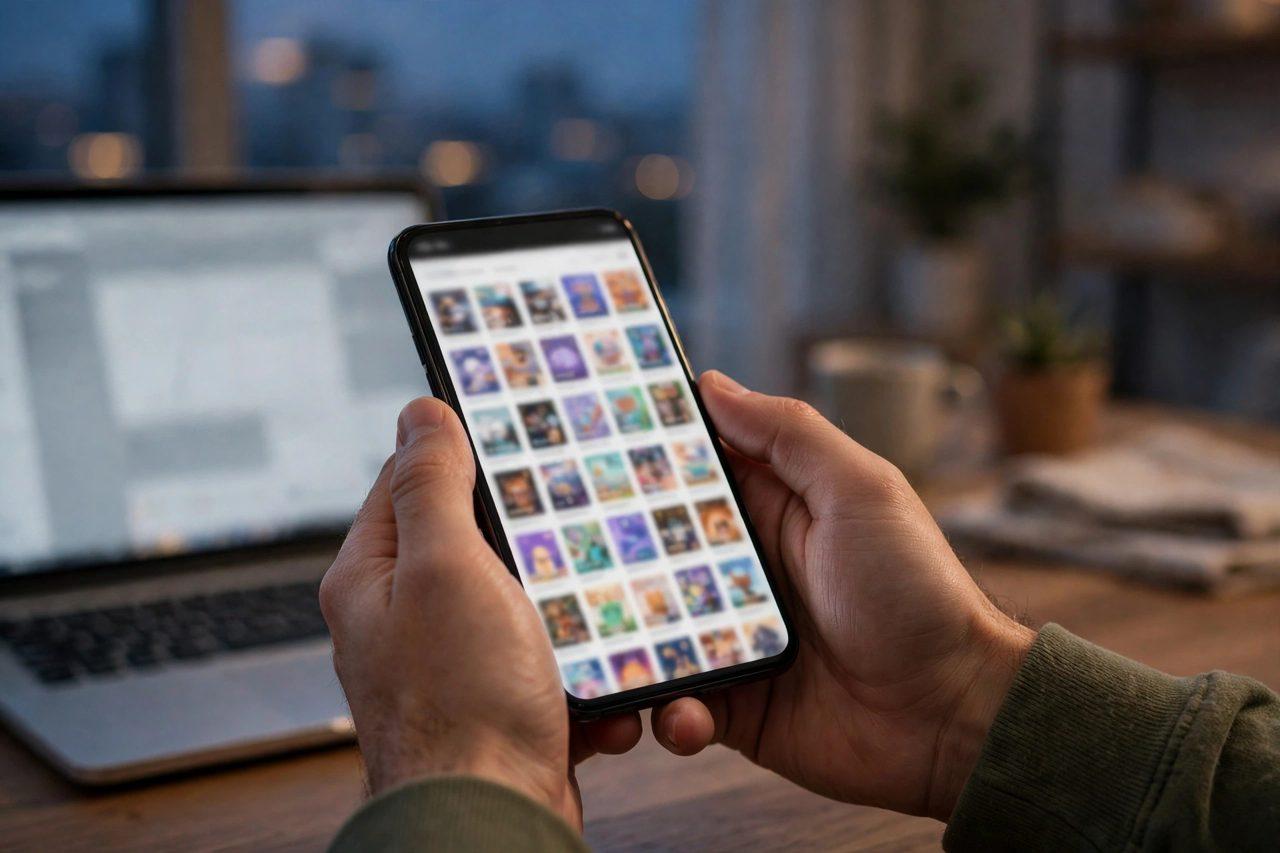
The limits and risks to know
Non-transferable does not mean problem-free. A soulbound token is only as trustworthy as its issuer: anyone can mint a token that claims anything, so the value lies in who issued it, not in the token itself. Privacy is the sharper concern — a permanent, public record of your qualifications, memberships and history is powerful, but it is also visible to anyone who looks at your wallet, and it cannot be sold or moved away if you change your mind. Some designs allow the issuer to revoke a token, which solves the problem of a wrongly issued credential but reintroduces trust in the issuer. And if you lose access to the wallet holding your soulbound tokens, the credentials go with it, so recovery planning matters more, not less.
 Frequently asked questions
Can I sell a soulbound token? No — that is the point. The smart contract prevents transfers, so there is no market for them.
Can a soulbound token be revoked? It depends on the design. Some can be revoked by the issuer, for example if a credential was issued in error; others are permanent once issued.
Do soulbound tokens have a price? No market price, since they cannot be traded. Their value is as proof, not as an asset.
Are soulbound tokens only for identity? Identity and credentials are the main uses, but they also appear in gaming achievements, community membership and event attendance.
Soulbound tokens take the NFT idea in the opposite direction from speculation: instead of asking what a token is worth, they ask what it proves. Used carefully, with trusted issuers and an eye on privacy, they could make on-chain identity something you carry rather than something you trade. Join the community following markets every day at https://zimbuck.com . This article is market news and general information only, not financial advice.