What Is Memecoin Liquidity? Why Locked Liquidity Matters, Explained

Every memecoin trade runs on liquidity, yet most buyers never look at it until it is gone. A coin can have a loud community, a trending hashtag and a chart pointing straight up, and still leave its holders unable to sell. The reason is usually the same: the liquidity underneath it was thin, unlocked, or controlled by a single wallet. Understanding memecoin liquidity, and why locked liquidity matters, is the single most useful check a beginner can learn before buying any new token.
This guide explains what liquidity is in plain language, how a memecoin pool works, what locked and burned liquidity actually mean, and the warning signs that tell you to walk away. No statistics are invented here and no token is recommended. The aim is to give you a repeatable check you can run in a few minutes before you risk any money.
What memecoin liquidity actually is
Most memecoins trade on decentralised exchanges, where there is no order book and no market maker employed by the project. Instead, trading happens against a liquidity pool: a smart contract holding two assets, usually the memecoin itself plus a well-known asset such as SOL, ETH or a stablecoin. The price of the token is set by the ratio between the two sides of the pool. When someone buys the memecoin with SOL, they add SOL and remove memecoins, so the ratio shifts and the price rises. When someone sells, the reverse happens and the price falls.
That ratio is everything. A pool with a large amount of SOL in it can absorb big buys and sells with only small price moves. A pool with very little SOL in it moves violently on every trade: a modest buy can push the price up sharply, and a modest sell can crash it. Traders call this slippage, and it is why two coins with the same market capitalisation can behave completely differently. The Zimbuck News page covers memecoin moves as sentiment stories first, but the liquidity underneath is what decides whether that sentiment can actually be traded.
Locked, burned or unlocked: what the words mean
When a pool is created, the creator receives liquidity provider tokens, usually called LP tokens, which represent ownership of the pool. Whoever holds those LP tokens can withdraw the pool's contents at any time. That is the central risk in memecoins, and it is what locking is designed to fix.
Locked liquidity means the LP tokens have been sent to a lock contract that only releases them after a set date. While they are locked, the team cannot pull the pool's funds out, even if they want to. Burned liquidity goes further: the LP tokens are sent to an address nobody controls, so they can never be recovered at all. Unlocked liquidity means the LP tokens sit in an ordinary wallet, and the holder can withdraw the pool whenever they choose.
A lock is only as good as its terms. A lock that expires in three days protects you for three days. A lock that covers only part of the LP tokens leaves the rest free to be withdrawn. Always check how much is locked, for how long, and whether the lock can be extended or cancelled by the team. The lock contract itself should be verifiable on a block explorer, not just claimed in a social media post.
Why locked liquidity matters so much
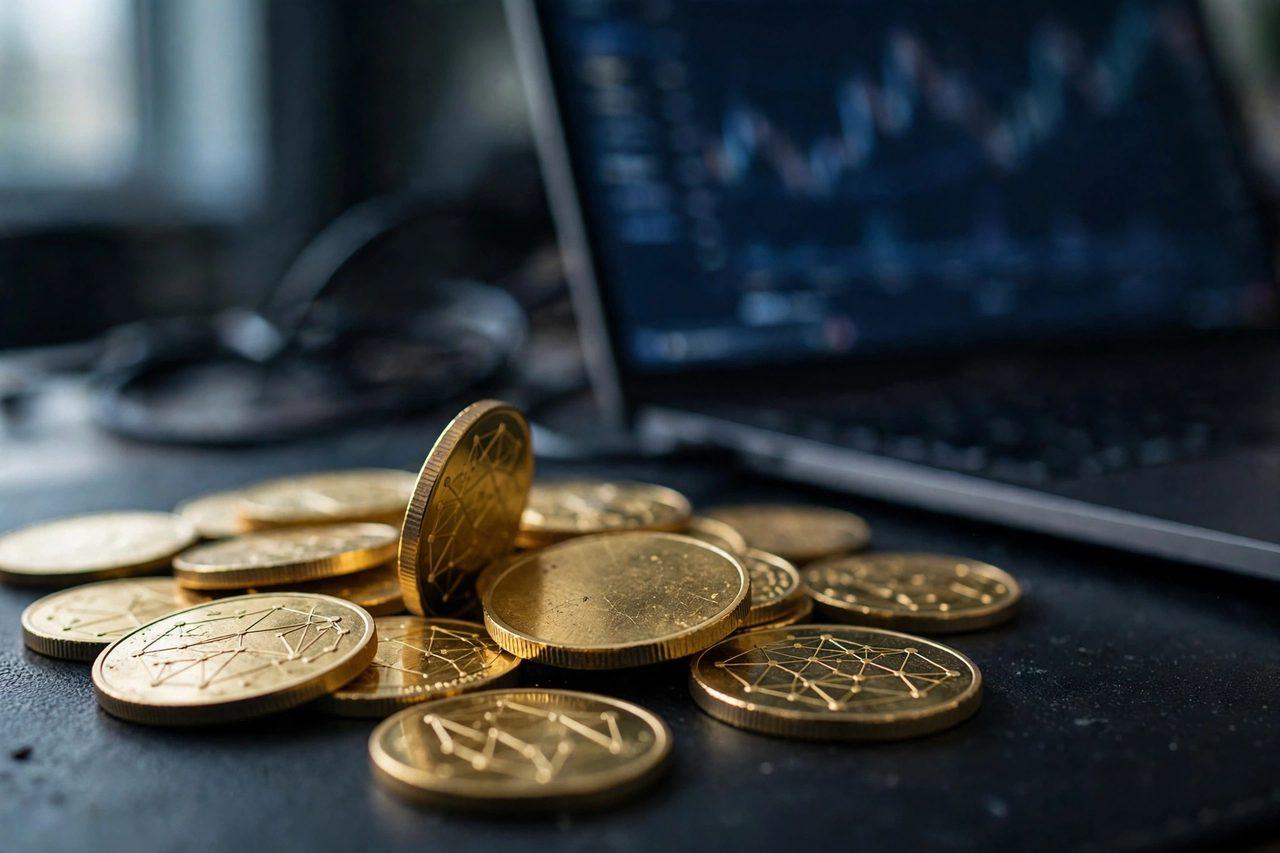
The classic memecoin scam is the liquidity pull. A team launches a token, builds hype, lets buyers pour money into the pool, and then withdraws all the liquidity in one transaction. With nothing left in the pool, the token cannot be sold at any price: every sell attempt fails, and the price chart collapses to nothing. The buyers' money has gone to the wallet that pulled the liquidity.
Locked liquidity removes that specific move. If the LP tokens are locked, the team cannot drain the pool, so the most direct form of exit is closed off. That does not make a token safe — the team can still sell its own large holdings into the pool, the project can still be abandoned, and the price can still fall to near zero on ordinary selling. But it does remove the one-click rug, and that is a meaningful difference. A project that refuses to lock its liquidity, or locks it for a trivially short period, is telling you something about its intentions. For a closer look at what else gives a memecoin value beyond its pool, see What Gives a Memecoin Value?
Warning signs to check before you buy
Run through this checklist before buying any new memecoin, and treat any single failure as a reason to pause:
- Liquidity is not locked or burned. If the LP tokens are in a normal wallet, the pool can be drained at any moment.
- A few wallets hold most of the supply. When a handful of wallets own the majority of tokens, they can crash the price by selling, even with locked liquidity.
- You cannot sell from a fresh wallet. Before buying a meaningful amount, make a tiny test buy and then a tiny test sell. If the sell fails or the price collapses on a small amount, do not add more.
- The team is anonymous and the promotion relies on countdown pressure. Anonymous teams are normal in crypto, but anonymity combined with urgent, limited-time claims is a classic setup.
- Promotion is the only product. If every update is about price, influencers and listings, and nothing is being built, the token's only engine is new buyers.
Why memecoins are exposed
Memecoins are exposed to liquidity games for structural reasons. Launching one costs almost nothing: a token can be created in minutes, a pool opened with a small amount of funds, and a social media campaign started the same day. There is no listing review, no audit requirement and no prospectus. Attention is the entire business model, so a coin can attract large sums of money before anyone has checked its pool.
That combination — near-zero launch cost, no gatekeeping and attention-driven demand — is exactly what makes liquidity checks matter. In a market where anyone can launch a token, the pool is the one thing that cannot be faked with marketing. Either the liquidity is locked and deep, or it is not, and that fact is visible on-chain to anyone willing to look. Discuss new launches and liquidity checks with other traders in the Zimbuck Market News group.

FAQ
Does locked liquidity make a memecoin safe? No. It prevents one specific scam, the liquidity pull, but the team can still sell its own tokens, the project can be abandoned, and the price can fall sharply on ordinary selling. Locked liquidity is a minimum standard, not a guarantee.
How can I tell if I can sell a memecoin? Make a tiny test buy and then a tiny test sell from a fresh wallet before committing a larger amount. If the sell fails, or the received amount is far below what the quoted price suggested, the pool is too thin or the token restricts selling.
Can a rug pull happen on a big exchange? It is far harder. Centralised exchanges hold custody of the assets and list tokens through a review process, so a team cannot simply drain a pool. That does not remove all risk, but the liquidity-pull rug is a decentralised-exchange problem.
What does burned liquidity mean? It means the LP tokens were sent to an address nobody controls, so the pool's funds can never be withdrawn by anyone. Burned liquidity is the strongest form of lock, but it still does not stop the price falling if holders sell.
Liquidity is the floor under every memecoin trade. Before you look at the chart, the community or the promises, look at the pool: how deep it is, who can withdraw it, and for how long it is locked. That single habit will filter out most of the worst tokens before they can cost you money.
This article is general educational information only, and it is not financial advice. Join Zimbuck to follow the memecoin desk and learn the mechanics before putting money into any token.