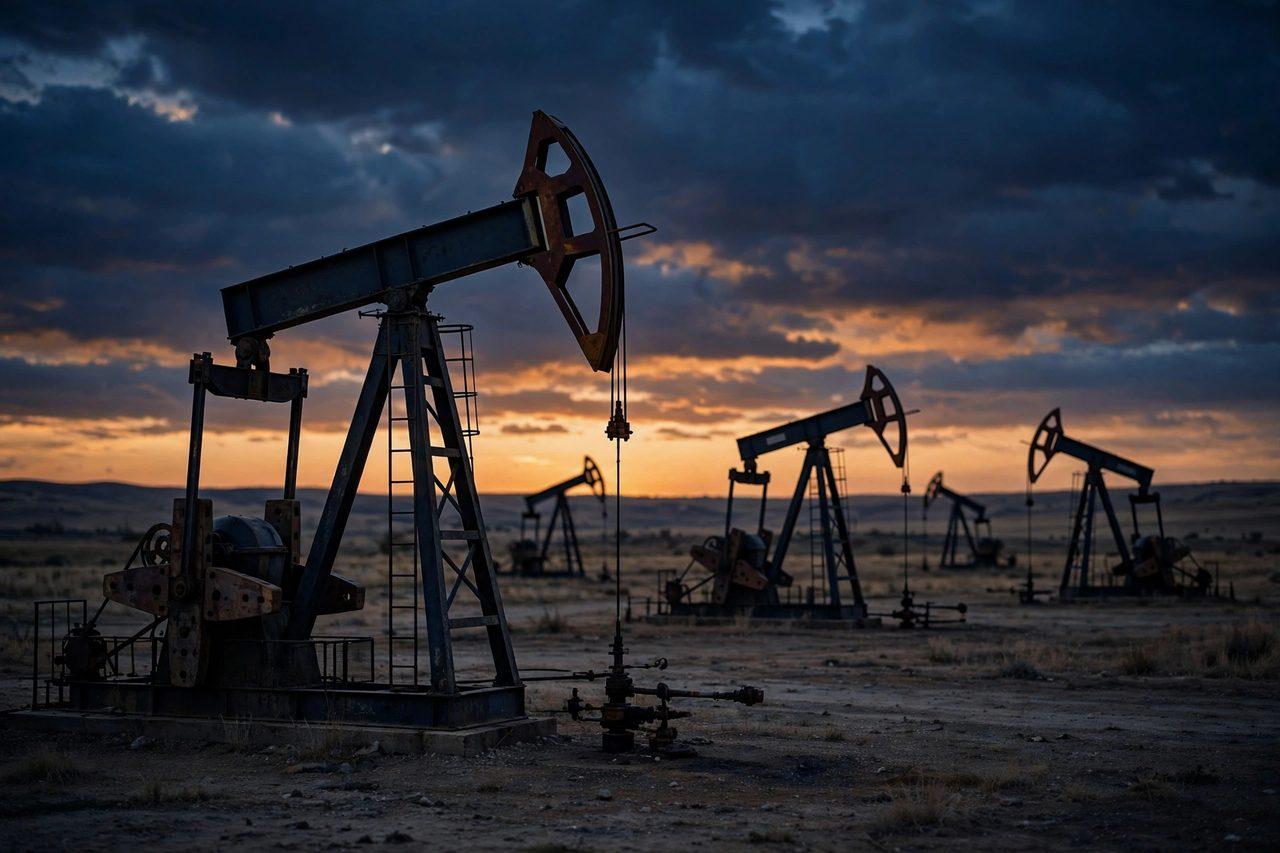
Oil Prices Gain Late Friday as Iran Tensions and Short-Covering Lift Brent to $92.57

Oil prices climbed late on Friday Nov. 20, with Brent crude settling at $92.57 a barrel as renewed tension around Iran and a wave of short-covering pushed buyers back into the market before a thin holiday week. WTI crude finished at $83.41, and natural gas also moved higher, closing a week that had mostly pointed the other way.
The late move caught attention because the broader weekly picture was still soft. Crude was heading for a third consecutive weekly decline, yet Friday's session showed how quickly sentiment can flip when supply risks return to the headlines. Energy traders tracking the session alongside other markets can follow rolling coverage on the Zimbuck News page.

Friday's Closing Numbers
The settlements that closed the week:
- Brent crude (January futures, ICE): $92.57 a barrel, +0.64%
- WTI crude: $83.41 a barrel, +1.18%
- Natural gas: $3.75, +1.82%
WTI's larger percentage gain, and the strength in natural gas, pointed to broad energy buying late in the session rather than a move in one contract alone. Short-covering — traders who had bet on lower prices buying back their positions — amplified the rise, a common pattern when a market has been falling and liquidity starts to thin.
Why Tension Around Iran Moved the Price
The trigger was geopolitical. Worries grew that attacks in the US-Israeli war with Iran could be renewed, Houthi attacks on Riyadh added to the sense of regional risk, and reports of tanker disruptions in the Strait of Hormuz raised fresh supply-disruption concerns.
The Strait of Hormuz matters out of proportion to its size on a map: a large share of the world's seaborne crude passes through it, so even reports of disruption — without a confirmed halt to flows — tend to add a risk premium to prices quickly. When that premium meets a market full of short positions, the move can accelerate, which is a fair description of Friday's late trading.
Traders in the Zimbuck Market News group were also watching the calendar effect: buying came ahead of Thanksgiving week, when many traders will be away and liquidity thin. In thin markets, fewer orders move prices further, so some traders prefer to square their positions early rather than carry risk into a quiet week.
The Counterweight: Plenty of Supply
Friday's gain does not erase the forces that pushed crude lower for three straight weeks. Strong Middle Eastern crude exports have eased supply concerns, reminding the market that physical barrels are still flowing in volume.
US inventory numbers told a similar story. US crude inventories rose by 3.38 million barrels to 417.8 million barrels — a build that signals supply running ahead of immediate demand. Rising stockpiles and strong exports together make a difficult backdrop for sustained rallies, because every price spike invites the question of where the extra demand will come from.
The Longer View Points Lower
Beyond the weekly noise, longer-term forecasts see a supply surplus building. One outlook sees global crude possibly normalising toward $70 a barrel by end-2027 — well below Friday's Brent settlement.
That gap between the spot mood and the long-term view explains the market's two-speed behaviour:
- Short term: geopolitical headlines and position-covering can lift prices sharply in a single session
- Medium term: inventory builds and strong exports cap how far rallies can run
- Long term: a building surplus could pull prices steadily lower if demand does not catch up
For now, Brent at $92.57 sits between those forces — supported by risk, restrained by supply. The next test is whether holiday-week trading, with its thin liquidity, exaggerates any fresh headline in either direction, and whether the weekly losing streak finally breaks or extends to a fourth week.
FAQ
Q: Where did Brent and WTI settle on Friday Nov. 20? A: Brent settled at $92.57 a barrel, up 0.64% for January futures, and WTI settled at $83.41, up 1.18%. Natural gas rose 1.82% to $3.75.
Q: What drove the late gain? A: Renewed Iran-related tension, Houthi attacks on Riyadh, reports of tanker disruptions in the Strait of Hormuz, and short-covering ahead of a thin Thanksgiving trading week.
Q: Why is crude still weak on the week? A: Strong Middle Eastern exports eased supply worries, and US crude inventories rose by 3.38 million barrels to 417.8 million barrels, leaving crude heading for a third consecutive weekly decline.
Q: What does the long-term outlook say? A: Forecasts see a supply surplus building, with one outlook expecting global crude to possibly normalise toward $70 a barrel by end-2027.
Follow energy, markets and the stories moving them on Zimbuck.
This article is market news and general information only, not financial advice.