
An NFT is a digital record on a blockchain that proves one specific item is unique and shows who owns it. If you have ever wondered how a picture on the internet can be "owned" by one person, or why gamers talk about truly owning their in-game items, NFTs are the technology behind both ideas — and this guide explains them in plain words, with no hype.
Beginners who follow the learning threads on the Zimbuck News page will see NFTs mentioned alongside gaming, art and collectibles. Understanding a few simple concepts first makes all of those stories much easier to follow.
Fungible vs Non-Fungible: The One Idea That Explains Everything
Start with the word "fungible." A fungible thing can be swapped for an identical thing without any difference in value. A dollar bill is fungible: if you lend a friend a dollar and they hand back a different dollar bill, nothing has changed. One unit of a cryptocurrency works the same way — every unit is interchangeable with every other unit.
A non-fungible thing is one of a kind. A signed painting, a specific house, or a concert ticket for seat 14 in row C cannot be swapped for an "identical" one, because no identical one exists. Each is unique, and that uniqueness is part of its value.
An NFT — a non-fungible token — takes that one-of-a-kind idea and puts it on a blockchain. The token is a digital certificate with its own unique ID. Two NFTs from the same collection are still two different tokens, with different IDs and separate ownership records, even if the images attached to them look similar.
How NFTs Actually Work
Under the hood, an NFT is a token created by a smart contract on a blockchain such as Ethereum or another network that supports them. The token carries a unique identifier, an ownership record, and usually a link to the item it represents — an image, a video, a game item or a document stored elsewhere.
Two technical standards do most of the work, and beginners only need the plain-words version:
- ERC-721 is the original NFT standard. Each token is completely unique, one token equals one distinct item. It suits one-of-one art and individual collectibles.
- ERC-1155 is a more flexible standard. One contract can handle many item types at once, including editions — for example, 100 identical copies of one game item alongside a single unique item. Games like it because it is efficient.
Ownership is public and verifiable. Anyone can look up which wallet address owns a given token, and when the token is sold or transferred, that history is recorded on the blockchain for anyone to check.
Minting, Buying and Selling
Creating an NFT is called minting. A creator uploads or connects their item, a smart contract creates the token, and the NFT appears in the creator's wallet. From there it can be kept, given away or listed for sale.
Buying usually happens on an NFT marketplace and follows a simple pattern:
- Set up a crypto wallet and fund it with the cryptocurrency the marketplace uses
- Connect the wallet to the marketplace
- Choose the NFT, confirm the price and any network fee, and approve the purchase in the wallet
- The token moves to your wallet, and the sale is recorded on the blockchain
Selling works in reverse: list the token at a set price or as an auction, and when a buyer pays, the token transfers automatically. In many regions, including for buyers in Pakistan, India and Bangladesh, the practical first step is the same as for any crypto activity — you need a crypto wallet and an exchange account first, and local rules vary by country, so check what applies where you live before spending money. Community members compare beginner experiences in the Zimbuck Market News group.
NFTs in Gaming: Items Players Actually Own
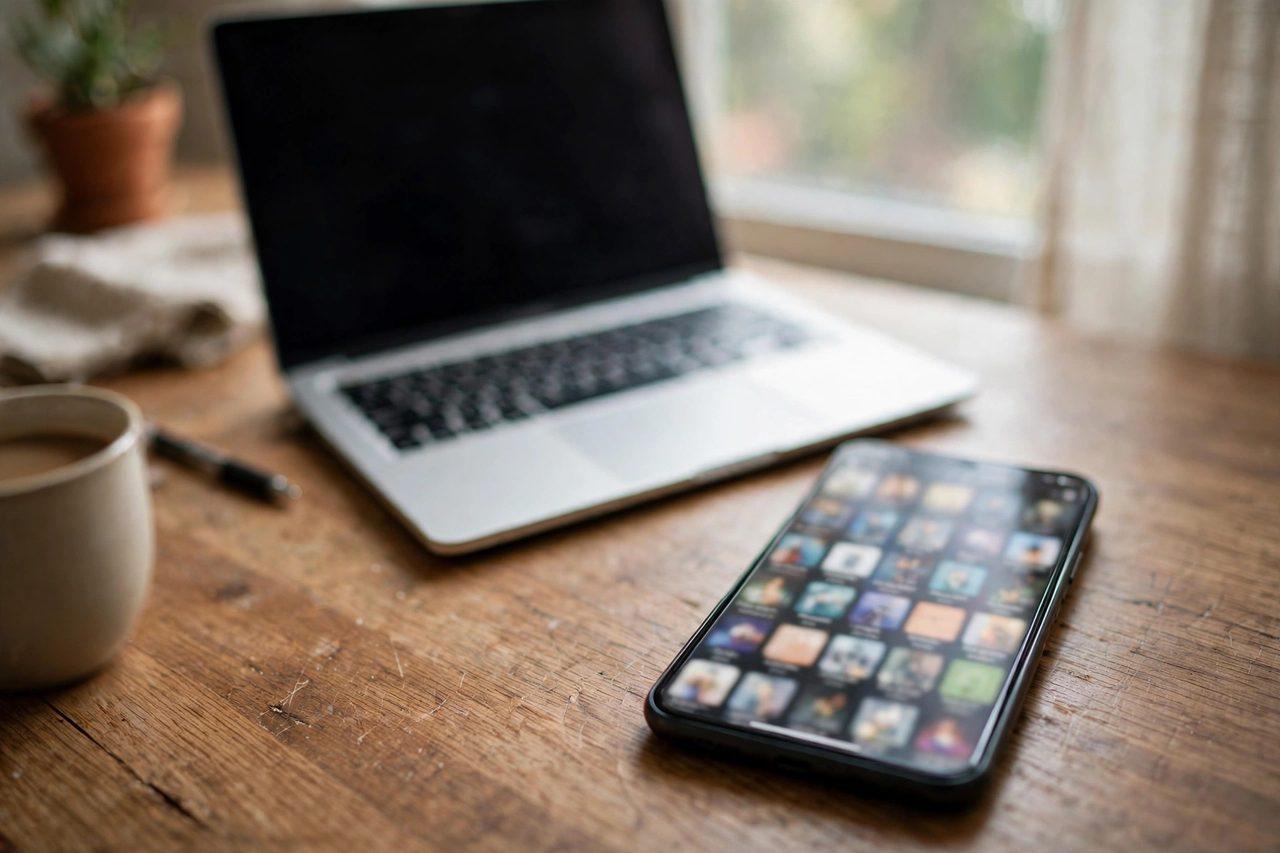
Gaming is where NFTs click for many people. In a traditional game, a rare sword or skin lives on the game company's servers. You can use it, but you cannot truly sell it or take it elsewhere, and it disappears if the game shuts down or your account is closed.
With NFTs, an in-game item can be a token in the player's own wallet. That opens up real possibilities:
- Trading or selling items to other players on open marketplaces
- Virtual land and characters that the player, not the company, holds
- Collectible cards and cosmetics with provable scarcity
Not every game uses NFTs, and owning an item as a token does not guarantee the item will stay useful or valuable — a game still has to exist and support it. But the ownership model is genuinely different, and it is why gaming remains one of the most active NFT areas.
Other Uses Beyond Games
The same ownership record works for many kinds of items. Digital art was the first famous use, letting artists sell originals of work that can be copied endlessly as files. Collectibles — trading-card style sets, sports moments, limited digital memorabilia — use NFTs to prove an item is genuine and one of a limited run. Event tickets can be issued as NFTs, making them harder to counterfeit and easy to verify at the door. Memberships and access passes also use tokens: holding the NFT is the key that unlocks a community, content or real-world perks.
In each case, the value is not the file itself. It is the verifiable record of which unique token you hold, and what the creator or community attaches to holding it.
The Risks, Stated Plainly
NFTs carry real risks, and a beginner guide should say so clearly:
- Price volatility: many NFTs lose value quickly; some become nearly worthless
- Scams and fake collections: copycat collections imitate popular ones to trick buyers
- Wash trading: artificial buying and selling can make an item look in demand when it is not
- Illiquidity: there may be no buyer at all when you want to sell — an asking price is not a guaranteed price
Treat any NFT purchase as spending money you can afford to lose, not as a savings plan.
Safety Tips Before You Buy Anything
A few habits prevent most beginner losses. Verify the collection through the creator's official channels before buying, and double-check the marketplace listing matches. Never share your wallet's seed phrase with anyone, for any reason — no legitimate marketplace or support team will ever ask for it. Be wary of free-mint links sent by strangers or in direct messages; fake mint pages are a common way wallets get drained, so navigate to sites yourself rather than clicking sent links. If you are new to wallets in general, this guide to how crypto wallet addresses work is a good companion read before you connect a wallet anywhere.
Start small, take your time, and remember that learning how the technology works is free — your first NFT does not have to cost anything at all.
FAQ
Q: What does NFT stand for? A: Non-fungible token — a unique blockchain token that represents ownership of one specific digital item.
Q: What is the difference between an NFT and cryptocurrency? A: Cryptocurrency units are fungible and interchangeable, like dollar bills. Each NFT has a unique ID and is not interchangeable with any other token.
Q: What is minting? A: Minting is the act of creating an NFT — a smart contract generates the token and records it in the creator's wallet.
Q: Do I need a crypto wallet to buy an NFT? A: Yes, in almost all cases. You connect a wallet to a marketplace, pay from it, and receive the token into it. Rules and available services vary by country.
Q: Can an NFT be copied? A: The image or file can be copied, but the token — the ownership record on the blockchain — cannot be duplicated. Ownership of the token is what buyers are paying for.
Q: Are NFTs a safe investment? A: NFTs are volatile and often illiquid, and scams are common. They should never be treated as a safe or guaranteed investment.
Keep learning and follow the NFT and gaming space on Zimbuck.
This article is market news and general information only, not financial advice.