


Oil Prices Retreat as Traders Weigh Supply and Middle East Risks, With a $85 to $95 Range Taking Shape

Oil gave back ground on Friday as traders weighed improving supply against the risks that have kept a premium in crude all year, and a new consensus started to form around where prices live from here.
Brent crude fell 0.7% to $91.37 a barrel, while US West Texas Intermediate slipped to $82.11 a barrel. European benchmark natural gas moved the other way, rising 4.4% to 88.19 euros a megawatt-hour, a reminder that energy markets are pricing several different stories at once.
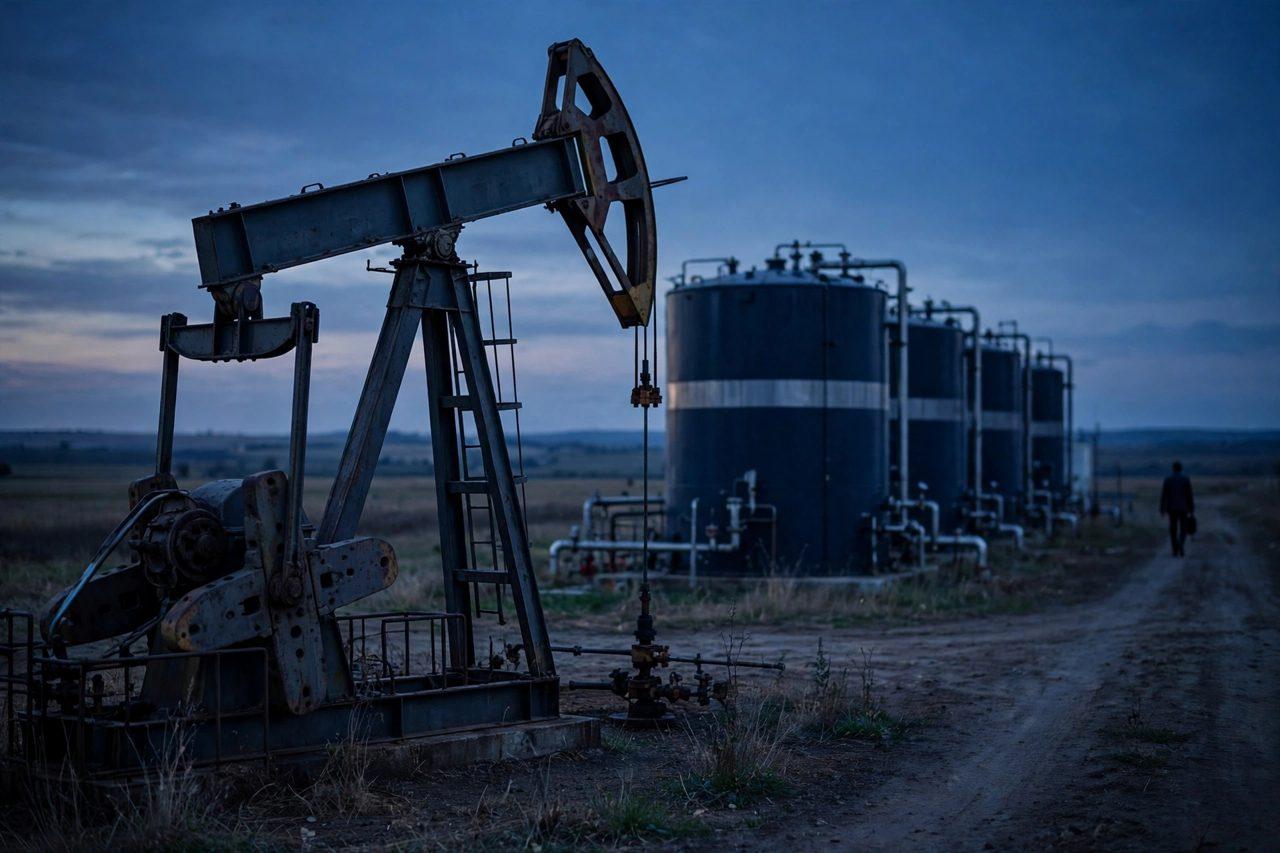
Why crude softened
The immediate pressure came from the supply side. As global supply conditions improve, the urgency that pushed buyers to chase every cargo fades, and speculative length built during the year's disruptions becomes harder to justify. Friday's retreat was orderly rather than panicked — a repricing, not a rout — but it landed in a week when almost everything else was falling too.
The same session underlined how broad the reset has been:
- December gold futures fell 3.9% to $3,542.80 a troy ounce
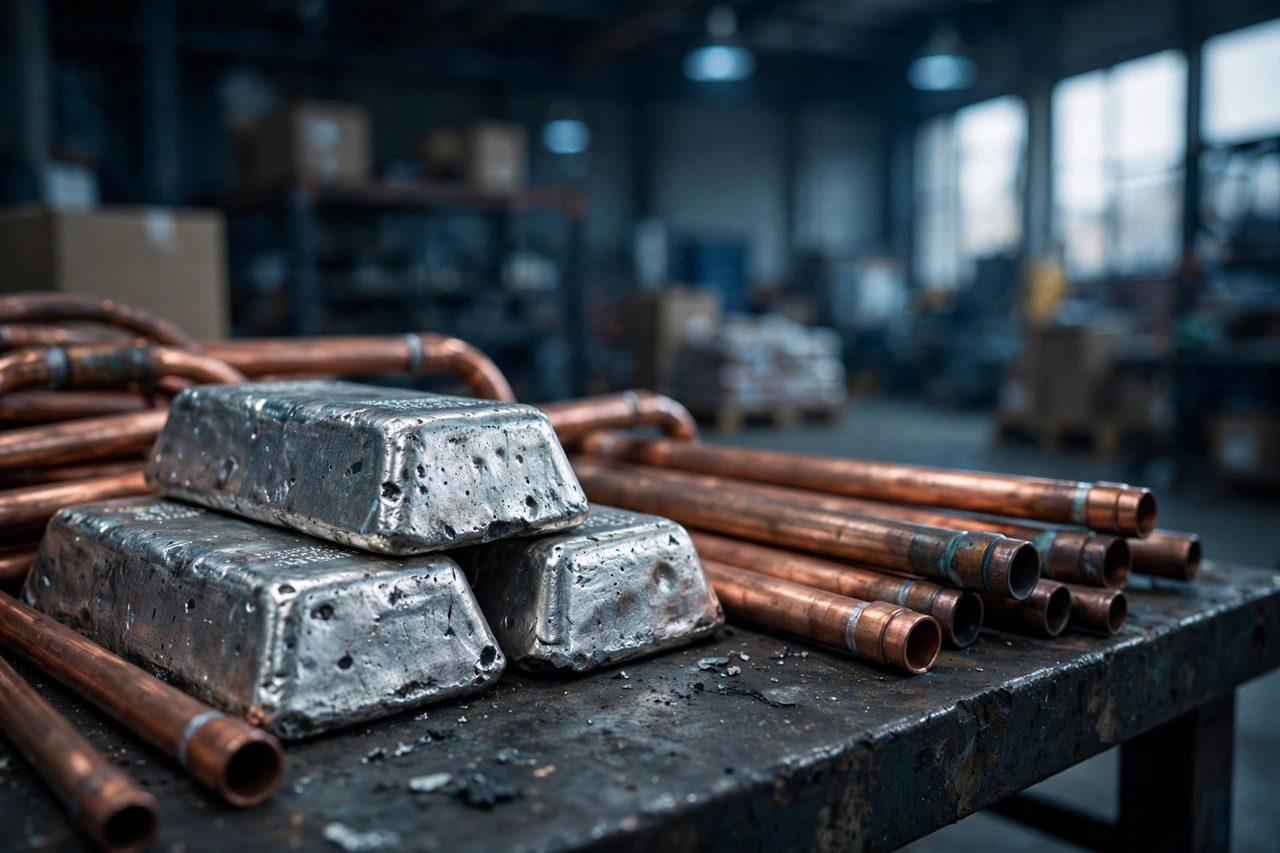
- December copper futures declined 2.4% to $5.496 a pound
- The gold-to-silver ratio climbed to 85.58, about 25% above its average over nearly three decades, as silver underperformed
The Hormuz question behind the range
The more important shift is in how traders now talk about the Strait of Hormuz. A growing consensus among oil traders and analysts is that the strait might not return to what it was before the war — and that crude prices around $85 to $95 a barrel could be the reality for the foreseeable future rather than a temporary spike.
That framing matters. A spike invites selling; a new range invites planning. Refiners, airlines and producers hedging at these levels are effectively accepting that a geopolitical premium is now a semi-permanent feature of the market, not an event premium that fades in weeks.
What it means for the week ahead
With US markets heading into a holiday-shortened week, liquidity will thin just as traders try to decide whether Friday's retreat was profit-taking or the start of a deeper slide. The bull case rests on that $85–$95 floor holding and on Middle East shipping risks staying live. The bear case is simple: if supply keeps improving and demand signals keep softening after the global stock sell-off, the premium has further to leak.
Either way, energy is no longer trading as a sideshow to the equity story — this month it has been one of its main drivers, and the commodities desk will be watching the range, not just the headlines.
FAQ
How much did oil fall on Friday?
Brent fell 0.7% to $91.37 a barrel and WTI declined to $82.11 a barrel.
Why do traders talk about an $85 to $95 range?
Because many now expect the Strait of Hormuz not to return fully to its pre-war state, keeping a lasting premium in crude.
What happened in other commodities in the same session?
Gold futures fell 3.9% to $3,542.80, copper fell 2.4% to $5.496 a pound, and European natural gas rose 4.4% to 88.19 euros a megawatt-hour.
Follow daily commodities coverage on the Zimbuck News page and trade talk in the Zimbuck Market News group. Related reading: our Solana price analysis shows how the same risk-off week hit crypto.
This article is market news and general information only, not financial advice. Join Zimbuck at https://zimbuck.com to follow commodities, crypto and stocks in one feed.




