

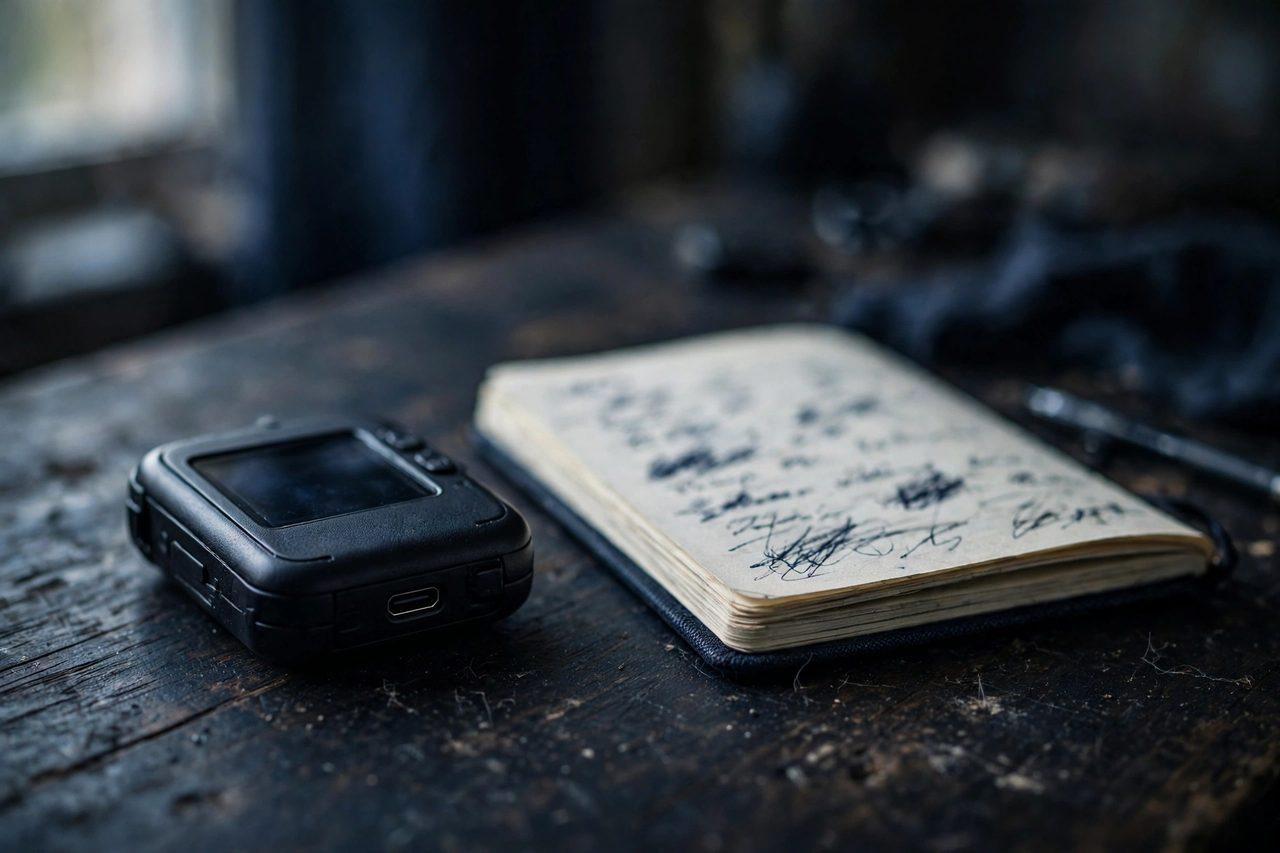

How to store crypto safely comes down to one fact most beginners learn too late: whoever controls the private keys controls the coins — there is no bank to call and no password reset for a drained wallet.
Every year, holders lose money not because prices moved, but because a phone was lost, a fake app was downloaded, or a recovery phrase was photographed and stored in a cloud album. This guide walks through the storage options in plain language — exchange accounts, software wallets and hardware wallets — what each one protects against, and the simple habits that stop the most common losses. For daily security stories and market coverage, start at the Zimbuck News page.
The one idea everything hangs on: keys and seed phrases
A crypto wallet does not hold coins the way a leather wallet holds cash. The coins live on the blockchain. Your wallet holds the private keys — secret codes that prove the coins are yours and authorise spending.
When you create a wallet, you are usually shown a seed phrase: a list of 12 or 24 words. Those words can rebuild your wallet on any device. That makes the seed phrase the single most valuable thing you own in crypto:
- Anyone who sees your seed phrase can take everything, from anywhere in the world, in minutes.
- No legitimate service, exchange or support agent will ever ask for it. Ever. A request for your seed phrase is a scam, full stop.
- It should exist on paper (or metal) only — never in a screenshot, a notes app, an email draft or a cloud photo library.
Option 1: Leaving coins on an exchange
Keeping coins on a large exchange is the easiest starting point, and for small, actively traded balances it is a reasonable one. The exchange holds the keys and gives you a normal login, password resets and customer support.
The risks are different, not absent. Exchange accounts are attacked through the front door: a reused password, a SIM-swap against your phone number, or a convincing phishing page can hand an attacker your login. If you keep money on an exchange, turn on app-based two-factor authentication (not SMS where you can avoid it), use a unique password, and switch on withdrawal address whitelisting if the platform offers it. The discussion in the Zimbuck Market News group regularly covers exchange safety settings worth enabling.

Option 2: A software wallet on your phone or computer
A software ("hot") wallet puts the keys on your own device. You gain real control — and real responsibility. Hot wallets suit everyday amounts you might actually spend or move.
Their weakness is the device itself: malware, fake wallet apps from unofficial download sources, and clipboard-swapping programs that quietly change a pasted address. Download wallet apps only from the official source, verify the address on screen character by character before sending, and send a small test amount first whenever you move a meaningful sum to a new address.
Option 3: A hardware wallet for serious holdings
A hardware wallet is a small physical device that keeps your keys offline, signing transactions inside the device so the keys never touch your internet-connected computer. For holdings you cannot afford to lose, this is the standard answer.
Two habits make or break hardware-wallet safety:
- Buy only from the maker. A second-hand or marketplace device can be pre-tampered. If the box arrives opened or the device comes with a pre-filled seed card, do not use it.
- Set it up yourself. The device must generate your seed phrase fresh, on its own screen, during your setup. Write it down by hand and store the paper somewhere private and fire-safe.
For a related read on how assets move between networks — and where people get caught out — see How Do Crypto Bridges Work? Cross-Chain Transfers Explained.

The five habits that prevent most losses
- Split your holdings. Everyday amounts in a hot wallet; long-term holdings on a hardware wallet. One mistake should never cost you everything.
- Back up on paper, twice, in two places. A single paper backup in a flooded drawer is not a backup plan.
- Test your recovery. Before trusting a wallet with real money, wipe and restore it from your written phrase once, so you know the backup works.
- Slow down on links. Bookmarks for exchanges and wallets beat search results and message links, which are where phishing pages hide.
- Keep quiet about amounts. Publicly posting large holdings makes you a target for scams tailored to you.
FAQ
What happens if I lose my hardware wallet? Your coins are safe as long as your seed phrase is safe — buy a new device and restore from the phrase. Without the phrase, the coins cannot be recovered.
Should I store my seed phrase in a password manager? Paper (or metal) kept offline is the safer default; anything stored on an internet-connected device can be reached by malware.
Is an exchange or a wallet safer? They fail in different ways. Exchanges concentrate risk in one company; wallets concentrate it in your own habits. Many holders use both, split by amount.
What is a test transaction? Sending a tiny amount first to confirm the address and network are right before moving the full sum — cheap insurance against the most common beginner mistake.
Good storage is boring, and that is the point: the holders who keep their coins are the ones with quiet, repeatable habits. Join Zimbuck to follow crypto security coverage and learn with the community — your free account takes a minute.
This article is general information and market education only, not financial advice.




