

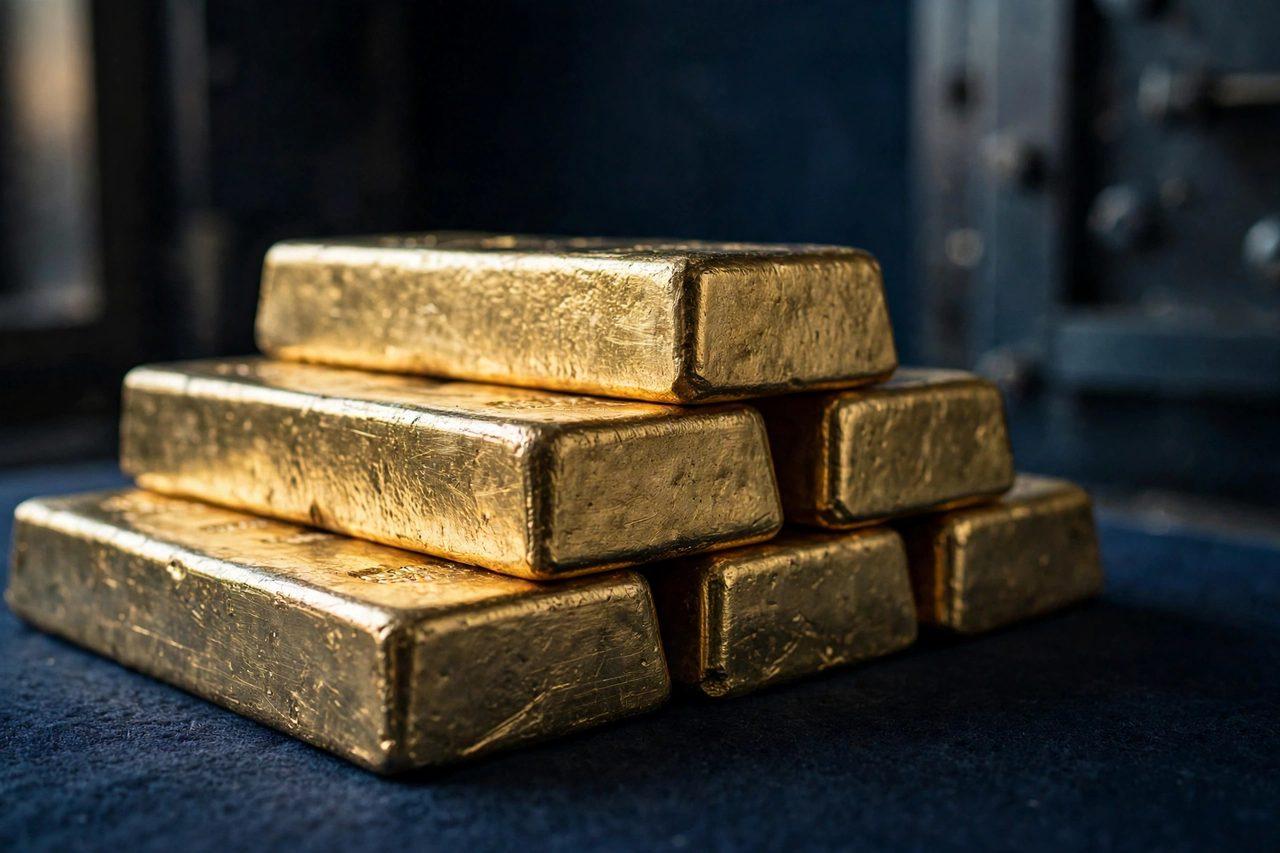

If you have ever watched gold jump on a nervous day or petrol prices change after an oil headline, you have already met commodities. A commodity is a basic raw material that is traded in bulk — and its price is set by global markets that never really sleep. This guide explains what commodities are, how the big three (gold, oil and silver) are priced, and what actually moves them. For daily market coverage, start at the Zimbuck News page (https://zimbuck.com/pages/zimbucknews).
## What counts as a commodity?
A commodity is a raw material or primary product that is interchangeable with others of the same type. One barrel of a benchmark crude oil grade is treated as equal to another, just as one ounce of pure gold equals another. Commodities fall into broad families:
- Energy — crude oil, natural gas, heating oil
- Metals — gold, silver, copper, platinum
- Agriculture — wheat, corn, coffee, sugar
- Livestock — cattle and hogs
Because units are standardised, commodities can be traded in huge volumes on exchanges without anyone inspecting each individual barrel or bar.
## Spot price vs futures price
Two prices matter. The spot price is what a commodity costs for immediate delivery. A futures contract is an agreement to buy or sell a set quantity at a set price on a future date. Most of the prices quoted in the news are futures prices, because that is where the deepest trading happens.
Futures exist for a practical reason: an airline can lock in fuel costs months ahead, and a mining company can lock in the price of what it digs up. Speculators also trade futures, adding liquidity — and sometimes sharp price swings.
 ## How the gold market works
Gold trades almost around the clock across London, New York and Asia. Its price is quoted per troy ounce in US dollars, which is why a stronger dollar often weighs on gold even when nothing about gold itself has changed. Gold pays no interest and no dividend, so its big drivers are:
- Interest rates and bond yields — when safe yields fall, gold's lack of yield matters less
- The US dollar — a weaker dollar makes gold cheaper for other currency holders
- Fear and uncertainty — wars, banking stress and market crashes push buyers toward gold
- Central bank buying — official purchases have become a major source of demand
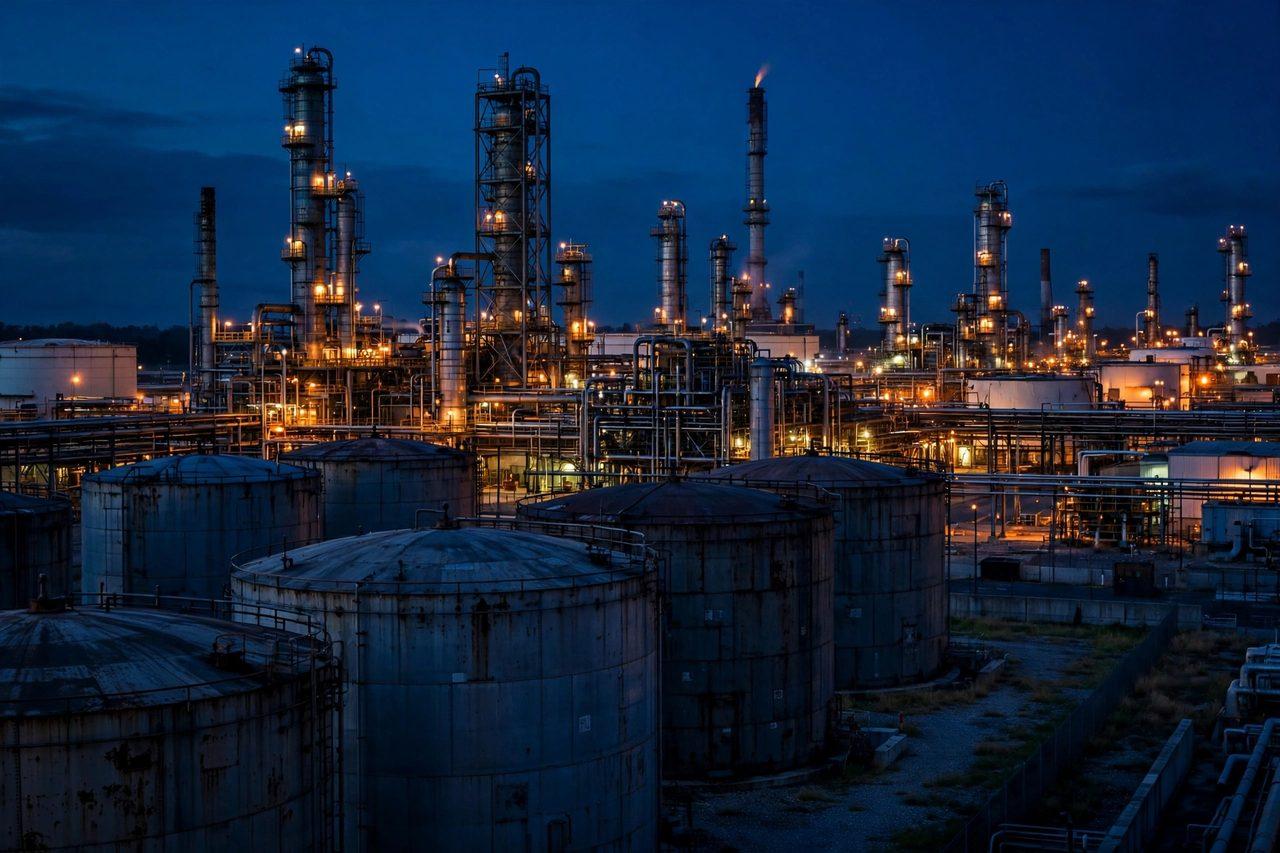
## How the oil market works
Oil is priced against benchmarks — Brent for most of the world and WTI for the United States. Prices react to anything that changes expected supply or demand:
- OPEC+ decisions — the producer group can raise or cut output targets
- Inventories — weekly US stockpile data shows whether oil is piling up or draining
- Global growth — a slowing economy burns less fuel
- Disruptions — conflicts, sanctions and refinery outages can remove supply fast
Oil is famously volatile: a single production headline can move it several percent in a day.
 ## How the silver market works
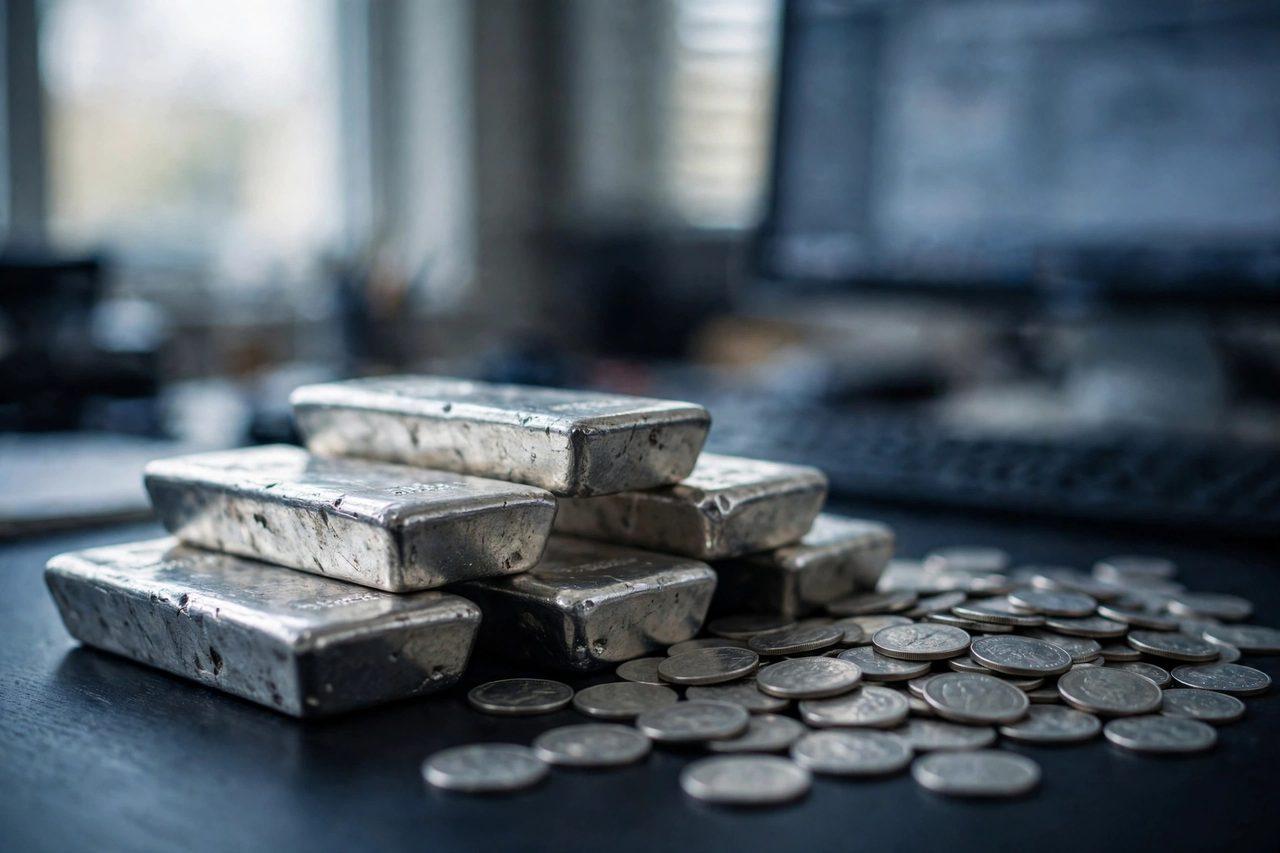
Silver sits between two worlds. Like gold, it is a precious metal people hold as a store of value. Unlike gold, roughly half of silver demand comes from industry — solar panels, electronics and medical equipment. That dual role makes silver more volatile than gold: it can rally with precious metals in a crisis and fall with industrial metals in a slowdown. Traders watch the gold-silver ratio — how many ounces of silver buy one ounce of gold — as a quick gauge of which metal is relatively cheap.
## Why commodity prices matter to everyone
Commodity prices reach far beyond trading screens. Oil feeds into transport and food costs, metals feed into construction and technology, and grain prices feed into the cost of living itself. That is why commodity spikes often show up later in inflation data — a connection the Zimbuck Market News group (https://zimbuck.com/groups/zimbuckmarketnews) discusses whenever the big releases land. For a related read on what moves the most-watched commodity of all, see What Moves Gold Prices? A Beginner's Guide to the Forces Behind the World's Oldest Safe Haven (https://zimbuck.com/blogs/1928/What-Moves-Gold-Prices-A-Beginner-s-Guide-to-the).
## FAQ
What is the simplest definition of a commodity?
A standardised raw material — such as gold, oil or wheat — traded in bulk, where one unit is interchangeable with another of the same grade.
Why do gold and the dollar often move in opposite directions?
Gold is priced in US dollars worldwide. When the dollar weakens, gold becomes cheaper for buyers using other currencies, which supports demand and price.
What is the difference between Brent and WTI?
They are the two main crude oil benchmarks. Brent prices most internationally traded oil; WTI is the main US benchmark.
Is silver more risky than gold?
Silver is usually more volatile. Its market is smaller and half its demand is industrial, so it swings harder in both directions.
This article is general educational information only, not financial advice. Join the conversation on Zimbuck (https://zimbuck.com) — the finance social platform for traders and investors.




