


What Are NFT Royalties? How Creators Earn on Every Resale — and Why Payment Is Not Guaranteed

An NFT can pay its creator every time it changes hands — a promise no painting, book or record ever made. The catch is that the payment is a request, not a law
NFT royalties are the mechanism behind one of the most attractive promises in Web3: that a creator earns a slice of every secondary sale, forever. The idea is simple. When an NFT is created, the creator sets a royalty percentage — typically 2.5% to 10% — and a recipient wallet. Every time that NFT is resold on a secondary marketplace, that percentage of the sale price is supposed to route back to the creator automatically, in the same transaction that transfers the token. A 5% royalty on a 2 ETH resale sends 0.1 ETH to the creator and the rest, minus the marketplace fee, to the seller. The part most creators learn too late is that those payments are not guaranteed. The dominant technical standard treats royalties as a voluntary signal, and most major marketplaces now let buyers or sellers decide whether to honor them.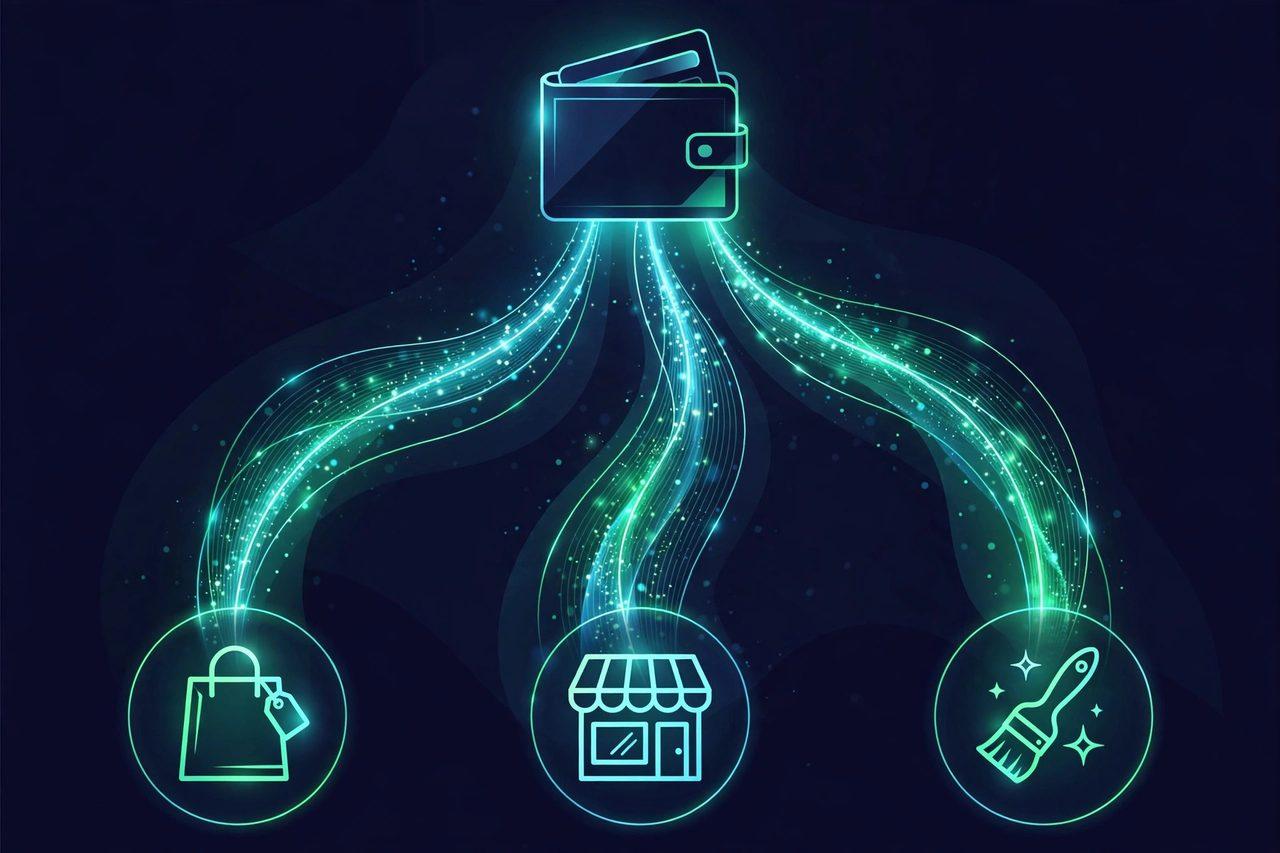
1. How a royalty payment actually happens
A marketplace sale is not a single transfer; it is a coordinated set of smart-contract calls that decide who gets paid, when, and whether the fee is mandatory or optional. On Ethereum and compatible networks, the most cited standard is EIP-2981 (often called ERC-2981), which defines a simple interface letting marketplaces query an NFT contract for royalty information: for a given token ID and sale price, who should receive royalties and how much? When a sale occurs on a compliant marketplace, the marketplace's settlement logic calls that royaltyInfo function, calculates the royalty as a percentage of the price, and splits the incoming funds in one transaction — the seller receives the bulk, the marketplace takes its platform fee, and the royalty portion routes to the creator's wallet. That automation is real. But it is also easy to misunderstand: the contract records the royalty terms; whether those terms are honored depends on what the marketplace decides to do with that information.
2. Why EIP-2981 reports royalties but cannot force them
The key design fact is that EIP-2981 is a signaling standard, not an enforcement mechanism. The specification itself states that the royalty payment must be voluntary, because transfer mechanisms such as transferFrom() move NFTs between wallets without any sale occurring — a gift, an escrow movement, a bridge transfer and a marketplace settlement all look alike at the token layer. A normal NFT transfer does not automatically know whether a sale happened, what the price was, or what currency was used. That is why royalties live at the settlement layer, not only at the token layer: the token contract may report royalty expectations, but the venue or exchange path must actually route payment. A marketplace that chooses not to implement the standard pays nothing on secondary sales, and traders can bypass royalties entirely by using a non-compliant marketplace or by transferring the NFT directly peer-to-peer.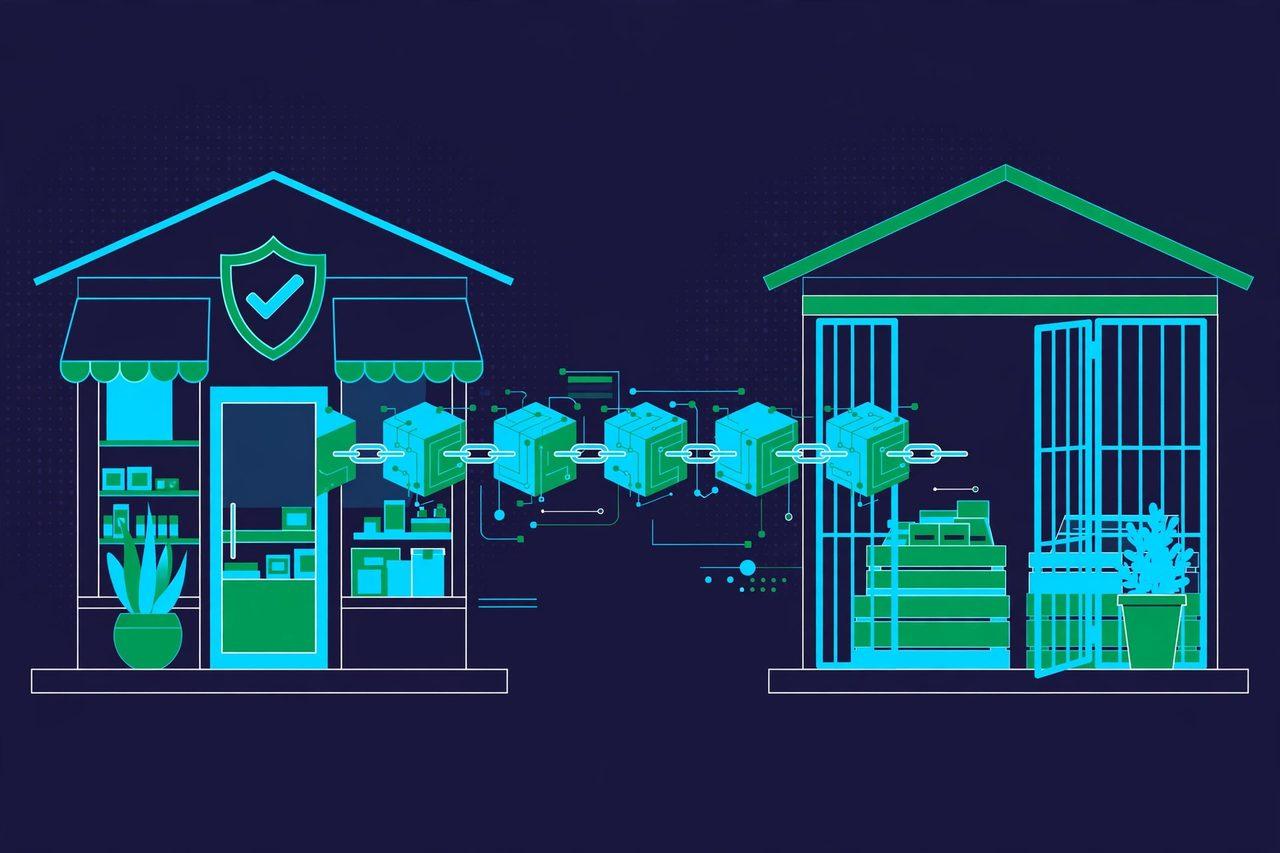
3. The marketplace split: enforcing, optional, and everything between
The landscape is divided between royalty-enforcing and royalty-optional marketplaces. Prominent platforms such as OpenSea and Blur have implemented various models, sometimes making royalties optional for traders, largely due to competitive pressure and trader demand for lower transaction costs. Creators who want actual enforcement need additional tooling. Operator filter registries were the first generation: the creator maintains a list of blocked or approved smart-contract addresses, and the NFT contract reverts a transfer if a blocked operator — such as a marketplace known not to pay royalties — is involved. Newer standards such as ERC-721C build transfer security policies into the token itself, with the trade-off that higher security levels limit where and how the NFT can be used. Royalties in the 5% to 7.5% range tend to be honored more consistently than very high ones, because a royalty the market treats as fair is less likely to drive traders to a royalty-free venue.
4. A creator's checklist before relying on royalties
- Set the percentage at minting and record it in the contract's metadata — it lives there permanently, but permanence is not enforcement.
- Choose your venues deliberately: a collection listed everywhere, including royalty-optional marketplaces, will see royalties skipped on those venues.
- Consider enforcement tooling (operator filters or ERC-721C-style transfer policies) if on-chain enforcement matters — and accept the liquidity trade-off.
- Do not budget royalties as guaranteed income unless your marketplace strategy, operator policy and communication plan all support that assumption.
- Tell collectors the deal plainly: buyers should check the fee breakdown before signing, because different venues can apply different royalty rules to the same token.
FAQ
What percentage do creators usually set? Typically 2.5% to 10% of each secondary sale, set at the collection or token level when the NFT is minted.
Does EIP-2981 force marketplaces to pay royalties? No. It standardizes royalty reporting — it tells marketplaces the requested receiver and amount, but does not force payment by itself.
Can royalties be bypassed? Yes — through marketplaces that ignore the standard, or through direct peer-to-peer transfers that never pass through a royalty-paying settlement path.
What are operator filters? Registry-based controls that let a creator's contract block transfers involving marketplaces known not to pay royalties.
Do royalties apply to gifts or transfers between my own wallets? No — a plain transfer is not a sale, and no royalty is calculated, which is exactly why the standard cannot mandate payment on every transfer.
Our beginner's guide to buying a first NFT is here: https://zimbuck.com/blogs/800/How-to-Buy-Your-First-NFT-Safely-Wallets-Marketplaces-Gas — and the Zimbuck News page is here: https://zimbuck.com/pages/zimbucknews with discussion at https://zimbuck.com/groups/zimbuckmarketnews . A creator-focused breakdown of NFT royalties is here: https://thebitjournal.com/what-are-nft-royalties-a-creator-focused-breakdown/ . This is general educational information only, not financial advice. Join Zimbuck at https://zimbuck.com to follow more NFTs and gaming coverage.




