Zimbuck – Your Market. Your Community.

Welcome to Zimbuck!

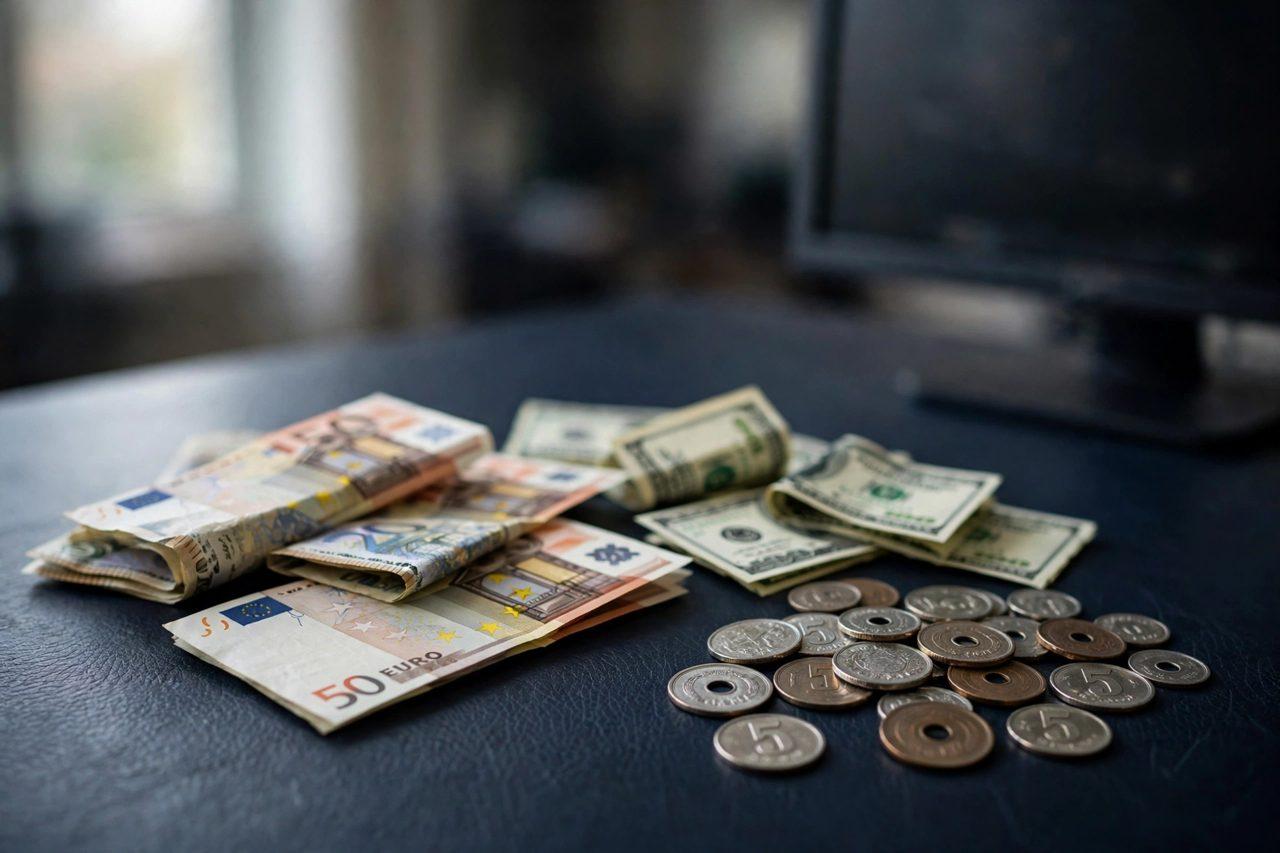
  • Beginner forex tip that saves money: start with the majors. EUR/USD and GBP/USD have the tightest spreads and the calmest moves, while exotics like USD/TRY look tempting but charge you far more to get in and out — and can gap on local news overnight. I put together a simple breakdown of majors, minors and exotics here: https://zimbuck.com/blogs/4118/What-Is-a-Currency-Pair-Majors-Minors-and-Exotics-Explained — which pair did you start with, and would you pick it again?
    ZIMBUCK.COM
    What Is a Currency Pair? Majors, Minors and Exotics Explained |...
    Forex is the one market where you never trade a thing on its own. Every position is two currencies at once — you are always buying one and selling the other. That is why everything in forex is quoted as a pair, and why understanding pairs is the first real skill a new trader needs. This...
    0 Views
  • Most forex losses I see beginners take around news releases come down to one habit: trading into a high-impact release without checking the calendar first. The market moves on the gap between the forecast and the actual — not the number alone — and a surprise either way can move a pair in seconds. I have written a plain guide to reading impact ratings, forecasts and actuals, and planning your week around them, so the next big release is a date in your diary rather than a shock on your chart.

    Read it here: https://zimbuck.com/blogs/6068/How-to-Use-a-Forex-Economic-Calendar-Impact-Ratings-Forecasts
    ZIMBUCK.COM
    How to Use a Forex Economic Calendar: Impact Ratings, Forecasts and...
    Every forex trader has watched a calm chart suddenly jump twenty pips in a second and wondered what just happened. Nine times out of ten, the answer is sitting in plain sight on the forex economic calendar — the timetable of scheduled data releases and central bank events that moves...
    0 Views
  • How to Use a Forex Economic Calendar: Impact Ratings, Forecasts and Actuals, Explained
    Every forex trader has watched a calm chart suddenly jump twenty pips in a second and wondered what just happened. Nine times out of ten, the answer is sitting in plain sight on the forex economic calendar — the timetable of scheduled data releases and central bank events that moves currencies every week. Used well, the calendar is not a prediction tool. It is a planning tool: it tells...
    2 Views
  • One of my favourite things about trading forex from Pakistan: the whole forex day basically happens after dinner here. London and New York are both open together from roughly 6 or 7 in the evening to 10 at night, and that overlap is when the spreads are tightest and the big US data lands. Two focused evening hours beat twelve distracted ones. And if you trade those evening hours, it helps to know how central banks can move a pair in minutes — I wrote up how intervention works here: https://zimbuck.com/blogs/5919/What-Is-a-Central-Bank-Intervention-in-Forex-How-Governments — who else only trades the evening overlap?
    ZIMBUCK.COM
    What Is a Central Bank Intervention in Forex? How Governments Move...
    Every so often, a currency moves sharply for no obvious market reason — and then the reason appears: a central bank has stepped into the market. This is a central bank intervention, and it is one of the few moments when a government directly trades against the market it normally only...
    0 Views
  • What Is a Central Bank Intervention in Forex? How Governments Move Their Own Currency
    Every so often, a currency moves sharply for no obvious market reason — and then the reason appears: a central bank has stepped into the market. This is a central bank intervention, and it is one of the few moments when a government directly trades against the market it normally only watches. Intervention is not an everyday tool. Central banks prefer to steer their currencies with...
    2 Views
  • What Is a Stop-Loss in Forex? How Stop-Loss and Take-Profit Orders Protect a Trade, Explained
    Every forex trader has a story about the trade that ran away from them. The position looked fine at lunchtime, the market turned while they were out, and by the evening the loss was three times what they had planned to risk. A stop-loss exists so that story does not have to be yours. It is the one order that decides, before you enter a trade, how much you are willing to lose — and then...
    1 Views
  • Something I've been thinking about after writing on pips: a stop-loss is only as good as the distance you give it, and the distance only makes sense if you know what a pip is worth on your lot size. For me, a 30-pip stop on a mini lot is a $30 risk — small enough to live with, big enough to survive normal noise. I explained how pip values work here: https://zimbuck.com/blogs/3922/What-Is-a-Pip-in-Forex-How-Pip-Values-Work

    Curious where everyone else lands: how many pips of risk per trade are you comfortable with, and do you size the lot to fit that number — or set the stop to fit the lot?
    ZIMBUCK.COM
    What Is a Pip in Forex? How Pip Values Work on EUR/USD —...
    Every forex quote moves in tiny steps, and traders measure those steps in pips. For EUR/USD, one pip is 0.0001 — the fourth decimal place — so a move from 1.0850 to 1.0851 is exactly one pip. Once you know what a pip is worth on your position size, you can work out precisely what each...
    1 Views
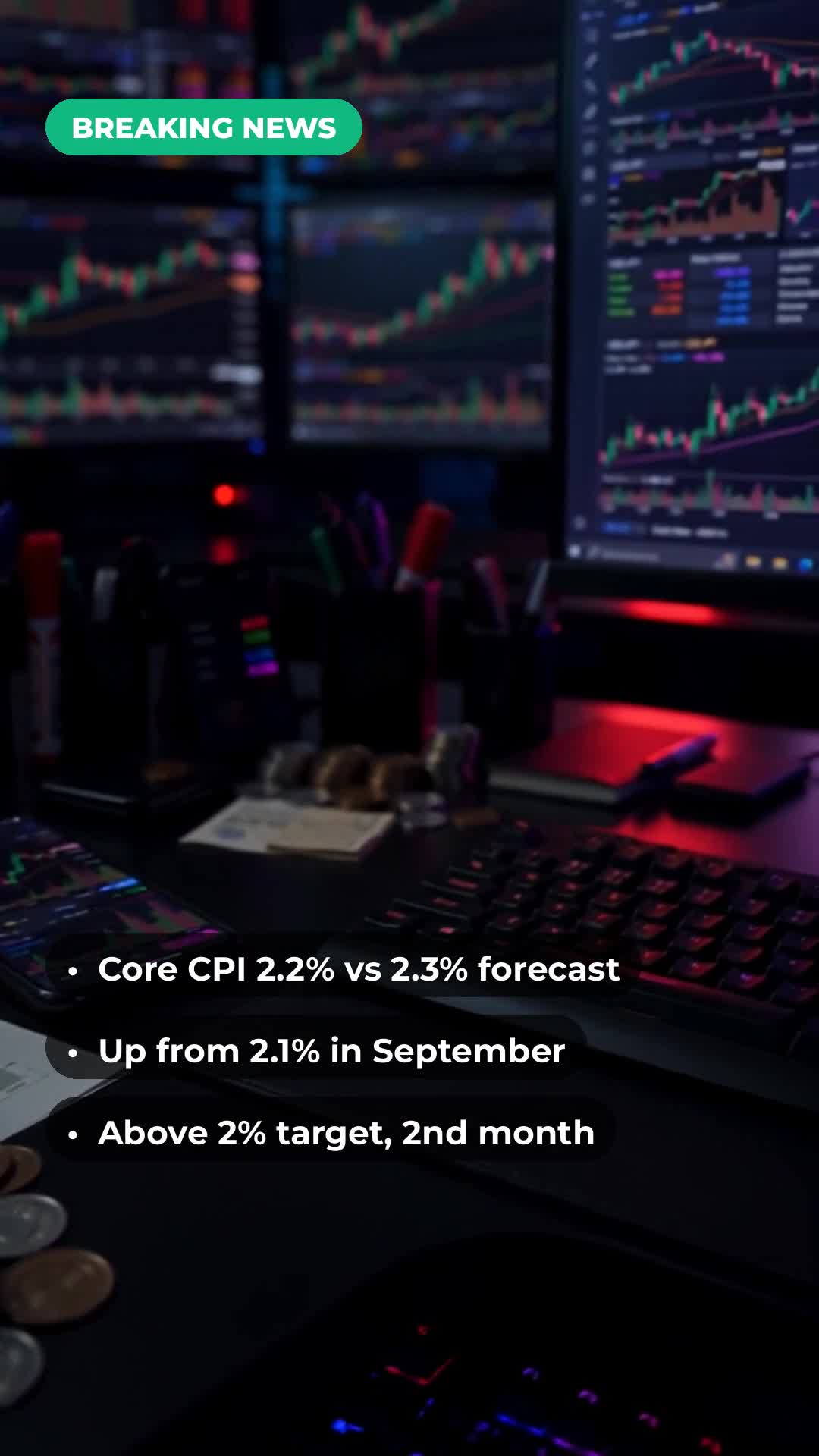
  • JAPAN CORE INFLATION HITS 2.2% — BOJ HIKE BETS FIRM

    Japan's core inflation accelerated in October, cementing the case for a Bank of Japan rate hike in December.

    Core CPI rose 2.2% year on year — just below the 2.3% forecast, up from 2.1% in September, and above the BoJ's 2% target for a second straight month. Markets now expect the BoJ to lift its policy rate to 1.5% from 1.25% at its meeting ending 18 December.

    What are you watching — the yen, or the Nikkei? #Japan #BOJ #Inflation #Forex #USDJPY #Markets

    📺 Full videos daily on YouTube — subscribe: https://www.youtube.com/@Zimbuckapp
    Join the conversation on Zimbuck — the finance social platform for traders & investors: https://zimbuck.com
    2 Views
  • Here is a small thing that catches almost every new forex trader: your trade opens slightly in the red, even when the market has not moved at all.

    That is the spread — the gap between the bid price you sell at and the ask price you buy at. On EUR/USD, a 2-pip spread on a standard lot costs about $20 the moment the trade opens, before the market has done anything. Do that ten times a day and the spread alone has taken about $200.

    So a quick question: do you check the spread before you enter a trade, or only notice it when the position is already open? And which pair do you find cheapest to trade in the London and New York hours?

    I have written a full guide to how the spread works, what it costs, and why some pairs are far more expensive than others: https://zimbuck.com/blogs/5461/What-Is-the-Spread-in-Forex-How-Bid-and-Ask

    ZIMBUCK.COM
    What Is the Spread in Forex? How Bid and Ask Prices Decide Your...
    Every forex trade starts slightly in the red, and the spread is the reason. It is the first cost a new trader pays, the one charged on every single position — and most beginners have no idea it exists until they wonder why a trade that
    0 Views
  • What Is the Spread in Forex? How Bid and Ask Prices Decide Your Trading Cost
    Every forex trade starts slightly in the red, and the spread is the reason. It is the first cost a new trader pays, the one charged on every single position — and most beginners have no idea it exists until they wonder why a trade that "hasn't moved" is already showing a loss. Here is what the spread is, how it is measured, and how to keep it from quietly eating your account. Bid, ask,...
    3 Views
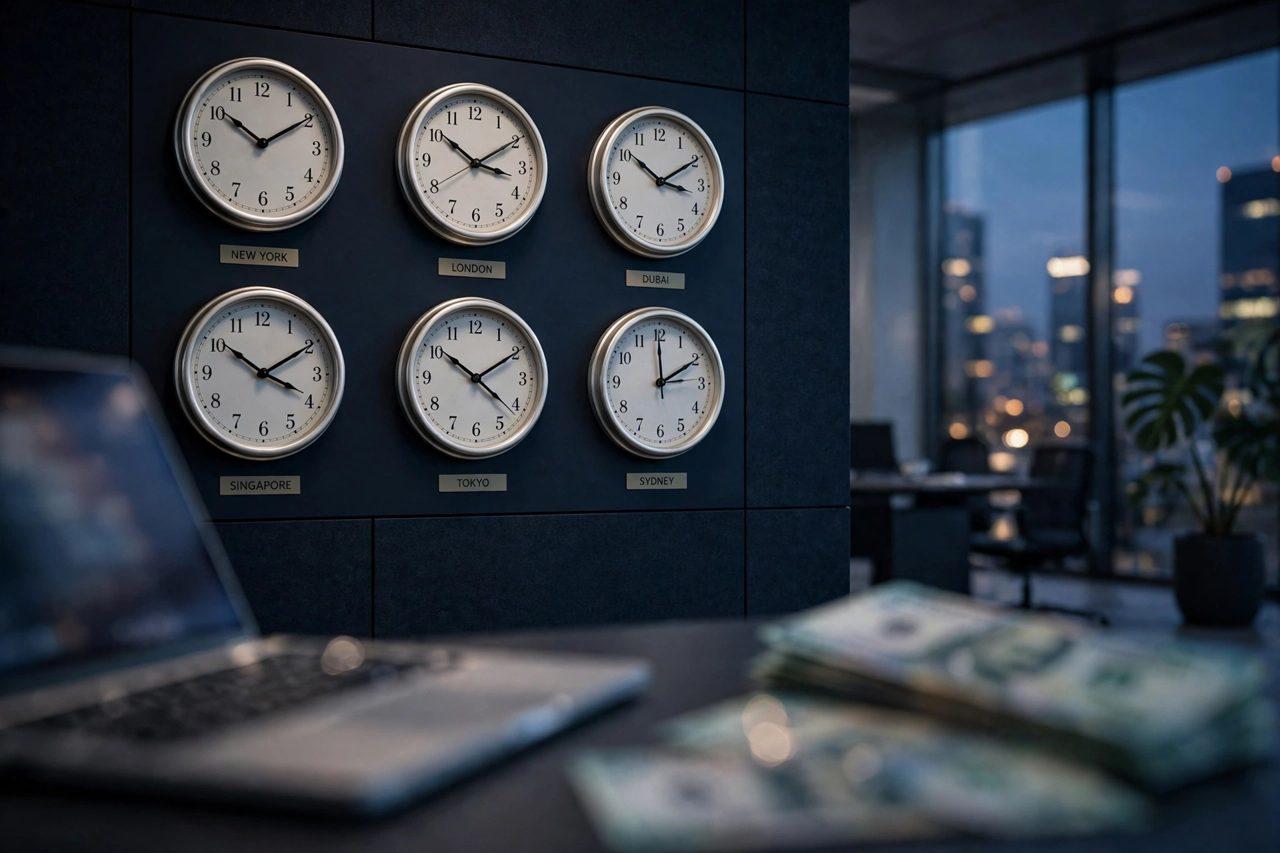
  • If you trade forex from Pakistan, the London–New York overlap is the part of the day worth planning around. From 18:00 to 22:00 Pakistan time both big centres are open, spreads are at their tightest and most of the day's major US releases land in that window — no 3 a.m. alarm needed. I have just put the full session-by-session breakdown together here: https://zimbuck.com/blogs/5233/Forex-Trading-Sessions-Explained-Sydney-Tokyo-London-and-New-York
    ZIMBUCK.COM
    Forex Trading Sessions Explained: Sydney, Tokyo, London and New...
    Forex Trading Sessions Explained: Sydney, Tokyo, London and New York Times in Pakistan Time Forex never really sleeps from Monday to Friday — it simply hands over from one financial centre to the next — and knowing which session is open tells you when your pair is likely to move, and...
    Love
    Like
    3
    51 Views
  • Forex Trading Sessions Explained: Sydney, Tokyo, London and New York Times in Pakistan Time
    Forex Trading Sessions Explained: Sydney, Tokyo, London and New York Times in Pakistan Time Forex never really sleeps from Monday to Friday — it simply hands over from one financial centre to the next — and knowing which session is open tells you when your pair is likely to move, and when it is likely to drift. For traders in Pakistan, the good news is that the busiest window of the...
    Like
    Love
    6
    115 Views
More Stories