What Is a Crypto Airdrop? How Airdrops Work and How to Claim Safely — Explained

What Is a Crypto Airdrop?
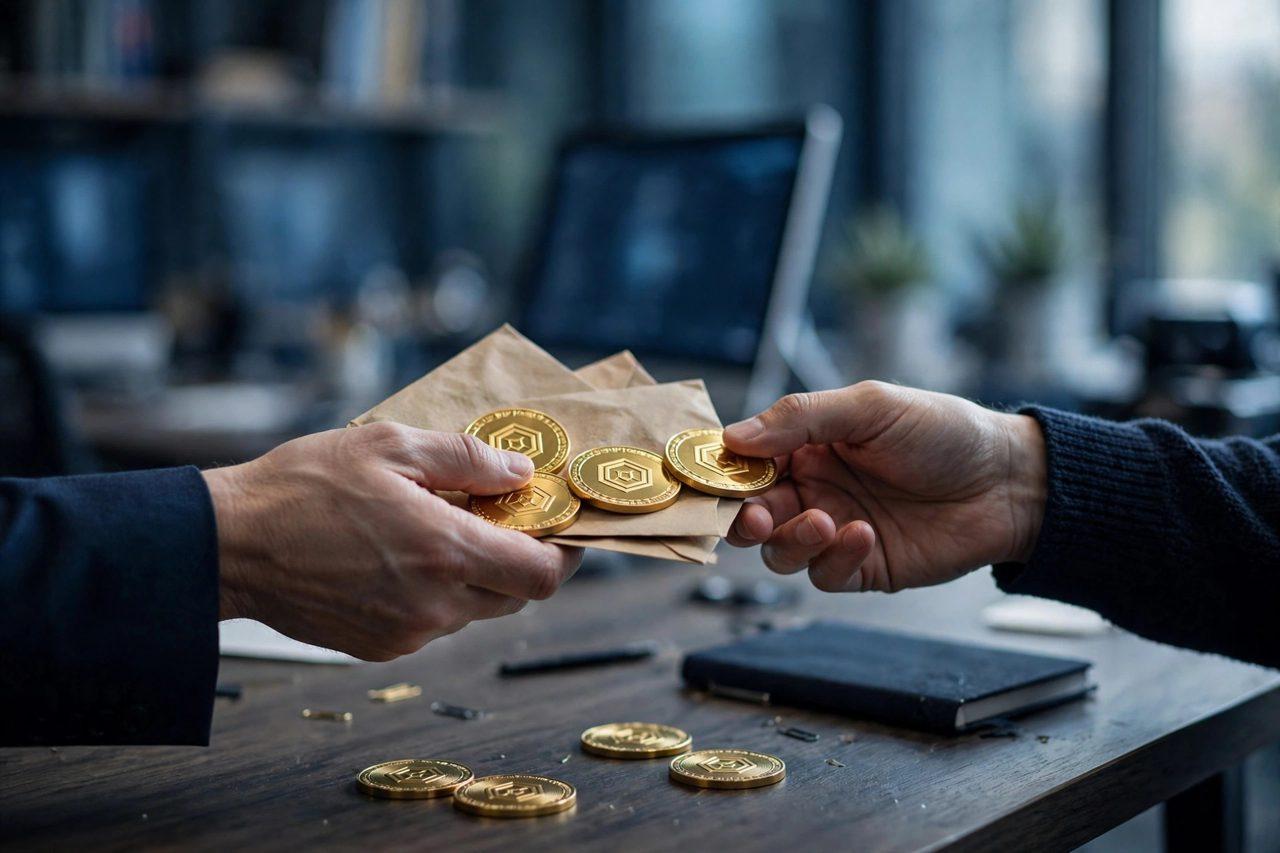
A crypto airdrop is a free distribution of tokens to wallet addresses. A project sends its token to people who already used its network, held a related asset, or took part in its community — no purchase is required to receive the tokens.
Airdrops look like free money, and that is exactly why they attract both genuine users and scammers. Understanding how a real airdrop works — snapshots, eligibility lists and claim windows — is the simplest way to tell a legitimate distribution from a wallet-draining fake. Readers following distributions and launches can keep up in the Zimbuck News page and discuss new tokens in the Zimbuck Market News group.
Why Projects Give Tokens Away
A new network needs its token spread across many holders, not concentrated in a few founder and investor wallets. Distributing tokens to people who actually used the product does three jobs at once:
- It rewards early users who took a risk on an unfinished product
- It widens ownership, which matters for governance votes
- It creates a community of holders who already know the product
That is why the most valuable historical airdrops went to past users of a protocol, not to people who arrived after an airdrop was announced.
The Snapshot: How Eligibility Is Decided
Most airdrops are decided by a snapshot — a record of on-chain activity at a specific block or date. The project records which addresses did what: traded on the exchange, provided liquidity, held a token, or used a bridge, for example.
Eligibility is usually retrospective. The snapshot is often taken before the airdrop is publicly confirmed, and the criteria are published afterwards. That design is deliberate: if the rules were announced in advance, thousands of wallets would farm the exact activity being rewarded, and the distribution would go to farmers instead of real users.
Types of Airdrops
- Holder airdrops: sent automatically to wallets holding a specific token at the snapshot
- Usage airdrops: reward past interaction with a protocol or network
- Task-based airdrops: smaller distributions for completing public tasks — the category most often copied by scams
- Fork airdrops: holders of a chain receive an equal balance on a new forked chain
How to Claim Safely
Claiming should never be rushed. A careful routine protects you:
- Verify the announcement on the project's own official site or verified account — type the address yourself instead of clicking a forwarded link
- Never enter a seed phrase or private key anywhere. A real airdrop never needs them
- Use a separate, low-balance wallet for claims where possible
- Check what a signature or token approval actually allows before signing
- Revoke old approvals you no longer need
For the wallet habits behind this routine, see our related guide What Is a SIM Swap Attack? How to Protect Your Crypto Accounts, and for how token movements show up on-chain, Why Small Bitcoin Withdrawals Cost More Later.

The Tax Point Most People Miss
Free does not always mean tax-free. In many jurisdictions, receiving airdropped tokens is treated as income at their market value on the day you receive them, with a separate gain or loss when you later sell. Rules differ by country, so keep records of the date, token and value at receipt, and ask a qualified local adviser if the amount is meaningful.
Red Flags That Mean Walk Away
- A claim page asking for your seed phrase or private key
- A countdown pressuring you to connect a wallet immediately
- An announcement only in a comment, DM or forwarded message
- A requirement to send crypto first to "unlock" a larger amount
- A token that arrives unannounced and links to an unknown site
FAQ
Do I need to buy anything to receive an airdrop?
No. A genuine airdrop is free to receive, although claiming on-chain can cost a small network fee.
Can I position myself for the next airdrop?
There is no reliable way. Eligibility is usually based on a past snapshot with unpublished criteria. Using products you genuinely value is the only honest strategy.
Why did tokens appear in my wallet unannounced?
It may be a legitimate holder distribution — or a dusting/scam token designed to lure you to a fake site. Do not interact with unknown tokens or their links.
Are airdropped tokens always valuable?
No. Many trade for very little or never list anywhere. Value is set by the market after distribution, if at all.
This article is general information and market education only, not financial advice. Join the conversation on Zimbuck — the finance social platform for traders and investors.