

Silver Trading Explained: Why Silver Is Both a Precious and Industrial Metal

Silver confuses new traders more than almost any other metal: it is priced like a precious metal, but it behaves like an industrial one. Roughly half of silver demand comes from industry — solar panels, electronics, electric vehicles and medical equipment — while gold demand is dominated by jewellery, central banks and investors. That dual identity is the whole key to understanding silver's price.
This guide explains how silver trading works in plain language: where the price comes from, why silver moves more violently than gold, what the gold-silver ratio tells you, and the main ways people gain exposure.
Two metals in one
When factories are busy and green-energy investment is rising, industrial demand supports silver even if investors are cautious. When investors rush to safety, silver also gets bought as a cheaper precious-metal alternative to gold. The problem is the reverse: in a sharp risk-off panic, silver can fall harder than gold because traders sell the industrial side of the story at the same time. Silver is not simply "gold, but cheaper" — it is gold's more emotional cousin, with a factory attached.
That is why silver's percentage moves are routinely two or three times gold's on the same day. Smaller market, thinner liquidity, bigger swings. Anyone following precious metals coverage on the Zimbuck News page will have noticed silver leading gold in both directions this year.
The gold-silver ratio, explained simply
The gold-silver ratio is just the gold price divided by the silver price. It answers one question: how many ounces of silver does one ounce of gold buy?
- A high ratio (for example above 80) means silver is cheap relative to gold, historically speaking.
- A low ratio (for example below 50) means silver has been outperforming and is expensive relative to gold.
- The ratio does not predict timing. It describes relative value, nothing more.
Some traders use extreme ratio readings as one input among many. Others ignore it completely. What it should never be is a standalone reason to buy or sell — relative cheapness can stay cheap for a long time.
What actually moves the silver price
Industrial demand. Solar is the big modern driver: photovoltaic panels use silver paste, and a strong solar installation year tightens the physical market. Electric vehicles use more silver than petrol cars, and 5G and AI data-centre hardware add steady electronic demand.
Investment demand. Coins, bars and silver-backed funds respond to the same forces as gold — real interest rates, the US dollar and fear. A weaker dollar and falling real yields usually support both metals.
Mining supply. Most silver is mined as a by-product of copper, lead, zinc and gold mining. That means silver supply does not respond quickly to silver's own price: a copper mine does not speed up because silver rallied. This slow supply response is a structural reason silver deficits can persist. The Zimbuck Market News group regularly debates how much of silver's story is industrial and how much is speculation.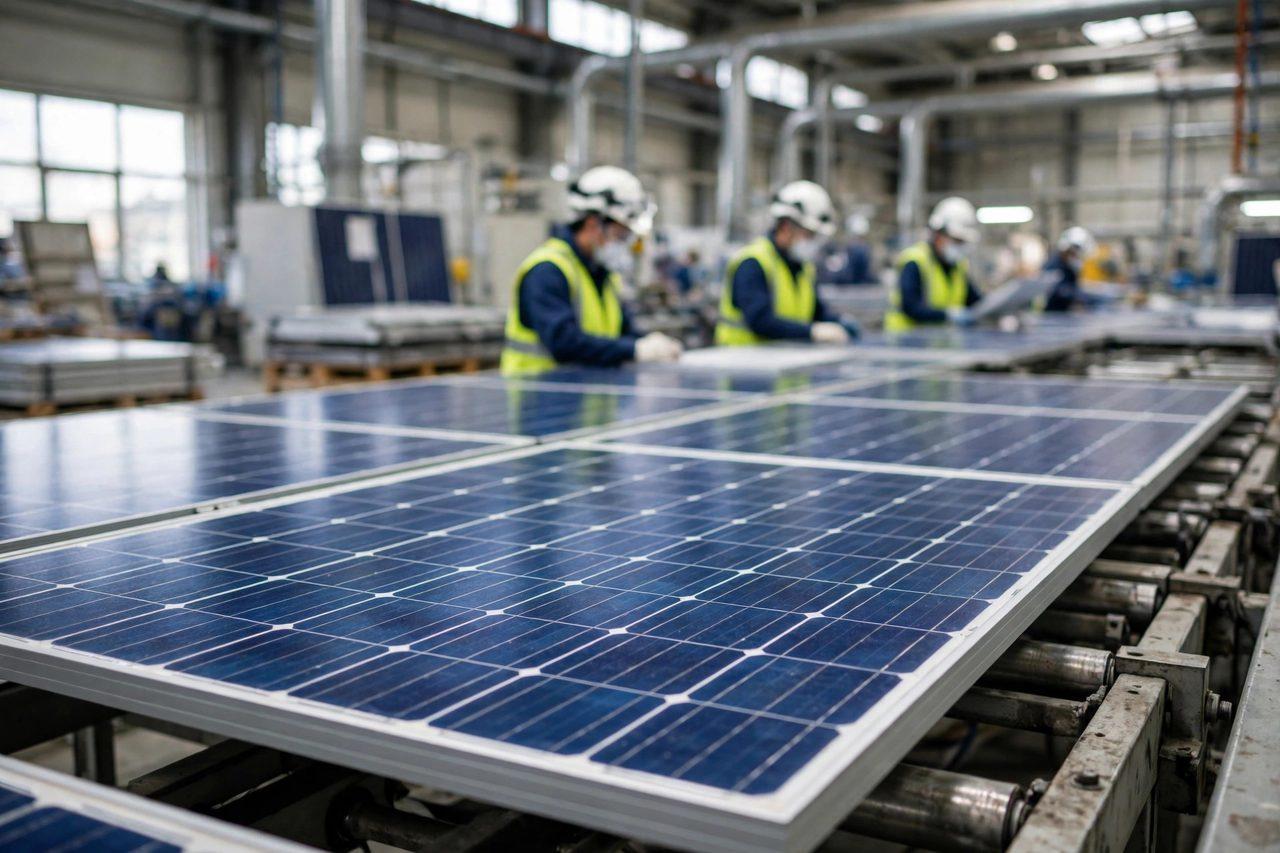
Ways to gain exposure
Physical coins and bars carry dealer premiums and storage questions, but involve no counterparty. Silver-backed exchange-traded funds track the price closely with small annual costs. Mining shares add company risk on top of metal risk — they can outperform strongly in rallies and disappoint badly when costs rise. Futures and leveraged products magnify both gains and losses and are where beginners most often get hurt, because silver's normal daily swings are already large without leverage.
For a comparison point, our guide to how OPEC+ decisions move oil shows how a very different commodity market is organised, and the commodities desk's earlier explainer on contango and backwardation explains the futures-curve terms that also apply to silver contracts.
FAQ
Why is silver so much cheaper than gold?
Silver is far more abundant in the earth's crust and is consumed industrially, while gold is mostly stored. Scarcity and monetary history keep gold's price per ounce far higher.
Why does silver move more than gold?
Its market is smaller and less liquid, and it carries both industrial and investment demand, so sentiment swings hit it from two directions.
Is silver a good hedge against inflation?
Silver has sometimes risen during inflationary periods, but its record is far less consistent than gold's because industrial demand falls when economies slow.
What is the biggest risk in trading silver?
Volatility combined with leverage. A move that is normal for silver can wipe out a heavily leveraged position in a single session.
This article is general educational information only, not financial advice. Join the conversation on Zimbuck — the finance social platform for traders and investors.






