Hot Wallet vs Cold Wallet: How to Choose the Right Crypto Wallet — Explained

Choosing a crypto wallet is one of the first decisions every crypto holder has to make, and it is also one of the most misunderstood. A crypto wallet does not hold coins in the way a leather wallet holds cash. Your coins live on the blockchain. What the wallet actually holds is your private key — the secret code that proves the coins are yours and lets you move them. Lose control of that key, and you lose control of the coins. Keep it safe, and your crypto stays yours. That simple idea is the key to everything that follows.
What is a hot wallet?
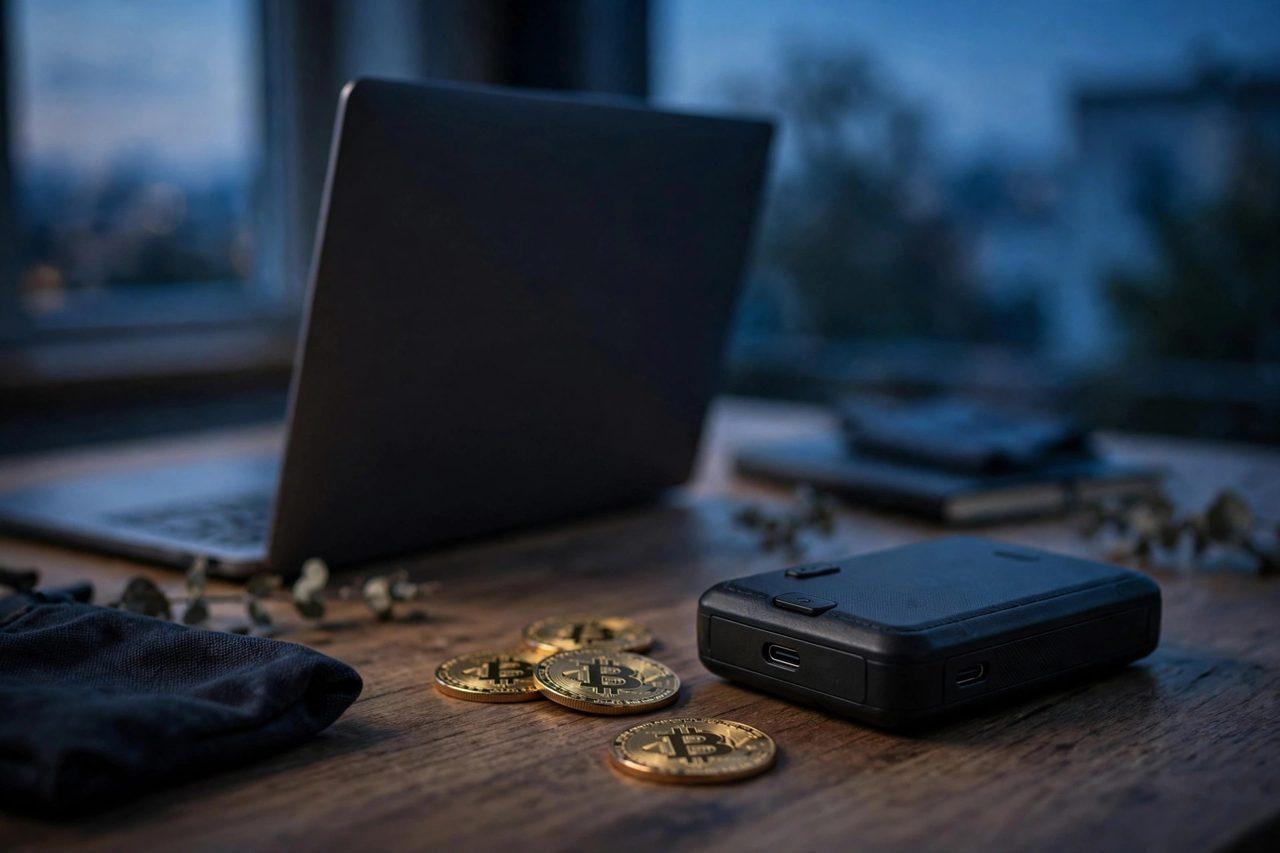
A hot wallet is a wallet that stays connected to the internet. It might be an app on your phone, a programme on your laptop, or a wallet built into your web browser. Because it is always online, it is fast and convenient: you can send, receive and swap crypto in seconds, check your balance on the move, and connect to apps and exchanges without fuss. That convenience comes with a trade-off. Anything connected to the internet is exposed to malware, phishing websites and fake apps, so a hot wallet is best treated like the cash in your pocket — handy for everyday use, but not the place for everything you own.
What is a cold wallet?
A cold wallet keeps your private key offline, away from the internet altogether. The best-known example is a hardware wallet: a small device, a little like a USB stick, that stores your key inside it and signs transactions inside the device itself. Your key never touches an internet-connected computer. That makes the process slower — you have to plug the device in, check the details on its small screen and press a button to approve — but it removes the largest attack surface in crypto. A hacker cannot reach a key that was never online. For savings and long-term holdings, that trade-off is usually worth it.
The real difference
The choice is less about which wallet is “better” and more about what each one is for:
• A hot wallet is for small amounts and frequent use — spending, trading and trying new apps.
• A cold wallet is for savings and the long term — coins you do not plan to move often.
• A custodial wallet means an exchange or another company holds the key for you.
• A non-custodial wallet means you hold the key yourself — and there is no password-reset button if you lose it.
That last point matters. With a non-custodial wallet, you are your own bank, in the full sense: nobody can freeze your funds, and nobody can recover them for you either.
Your recovery phrase is the master backup
Every non-custodial wallet gives you a recovery phrase when you first set it up: usually 12 or 24 ordinary words, in a set order. Those words are your wallet. Anyone who has them can rebuild your wallet on another device and move your coins, and anyone who loses them, along with the wallet itself, can lose everything. So write the words down on paper, or better still stamp them into metal, and store that copy offline in a safe place. Never type your recovery phrase into a website, never send it in a message, and never give it to anyone who claims to be “support” — no genuine support team will ever ask for it. If someone asks, it is a scam.
A simple way to decide
If choosing still feels hard, use both kinds of wallet. Keep a hot wallet for pocket cash: the small amount you spend, trade or use week to week. Keep a cold wallet as your vault: the larger amount you are saving for the longer term. A useful rule of thumb is to ask yourself one question — if I lost this amount tomorrow, would it hurt? If the answer is yes, it belongs in cold storage. That split gives you the speed of a hot wallet where you need it and the security of a cold wallet where it counts.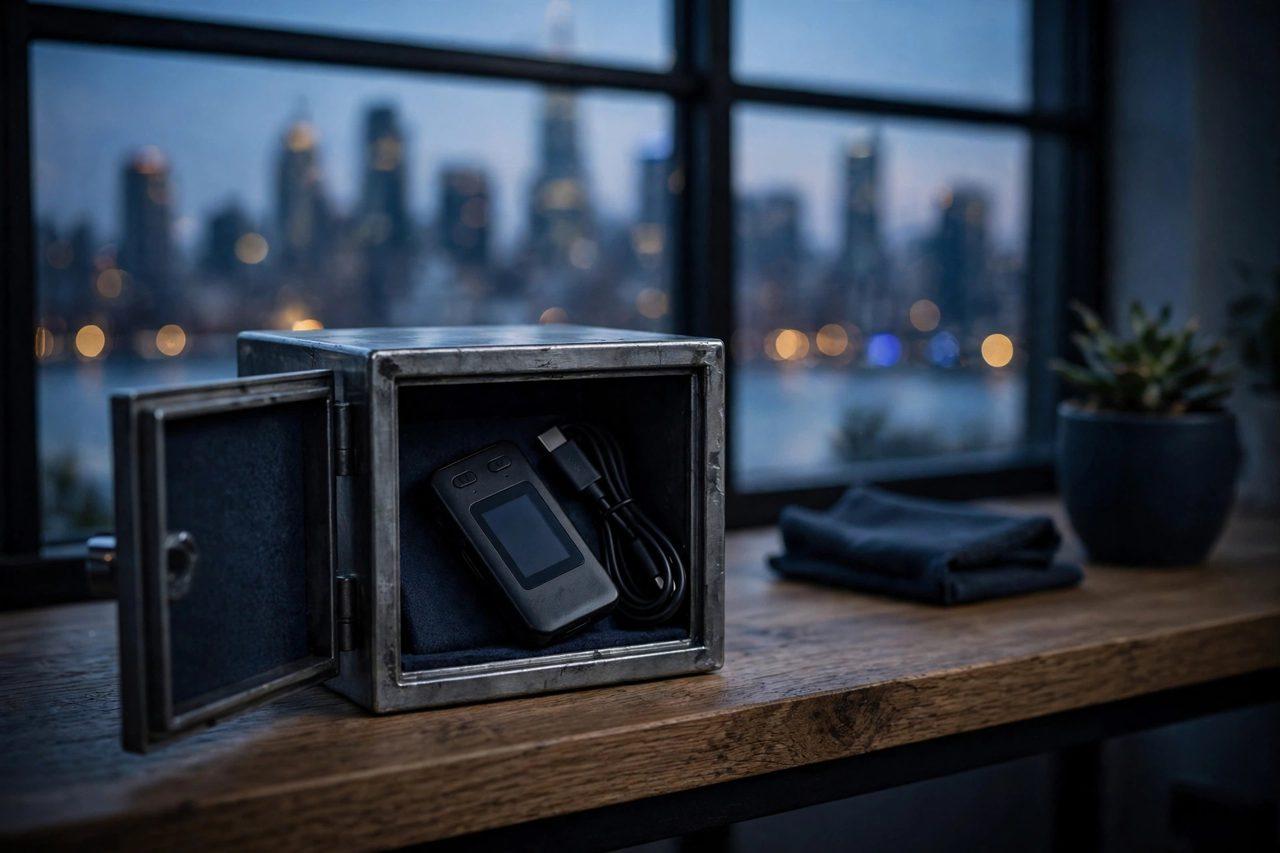
Staying safe, whatever you choose
Good habits matter as much as the wallet you pick. Download wallet software only from the official website or the official app store, and check the address carefully before you install anything. Keep your wallet and your device updated, use a strong PIN and a passphrase where one is offered, and lock your phone with a passcode or biometrics. Before you move a large amount for the first time, send a small test transaction first and check that it arrives. That one habit has saved many people from an expensive mistake, such as sending coins to the wrong address or to the wrong network.
Keep learning on Zimbuck
If this guide helped, keep the conversation going with us. Read more on our News page: https://zimbuck.com/pages/zimbucknews — and join the discussion in our Zimbuck Market News group: https://zimbuck.com/groups/zimbuckmarketnews — where we talk through crypto, markets and new ideas every day. For related reading, see our guide to DeFi lending: https://zimbuck.com/blogs/5488/What-Is-a-DeFi-Lending-Protocol-How-Over-Collateralised-Loans
Frequently asked questions
Is a cold wallet completely safe? No wallet is completely safe, but a cold wallet removes the biggest risk: an online attacker reaching your key. You still need to protect your recovery phrase, buy the device from an official source, and check every transaction on the device screen before you approve it.
Can I move coins from a hot wallet to a cold wallet? Yes. Set up the cold wallet, copy its receiving address carefully, and send a small test amount first. Once it arrives, you can move the rest in the same way.
What if my hardware wallet breaks? Your coins are not stored in the device itself; they live on the blockchain. As long as you still have your recovery phrase, you can restore the same wallet on a new device.
Do exchanges count as hot wallets? In a practical sense, yes. Coins held on an exchange are kept in wallets connected to the internet, and the exchange holds the key. That is convenient for trading, but it means you are trusting the exchange with your funds.
The bottom line is simple: a hot wallet is for spending, a cold wallet is for saving, and most people are best served by using both. Start small, protect your recovery phrase, and let the amount you hold decide how much security it deserves. This article is general information only and is not financial advice. Join the community at https://zimbuck.com and keep learning with us.